Getting your herd prepared for a long and wet autumn
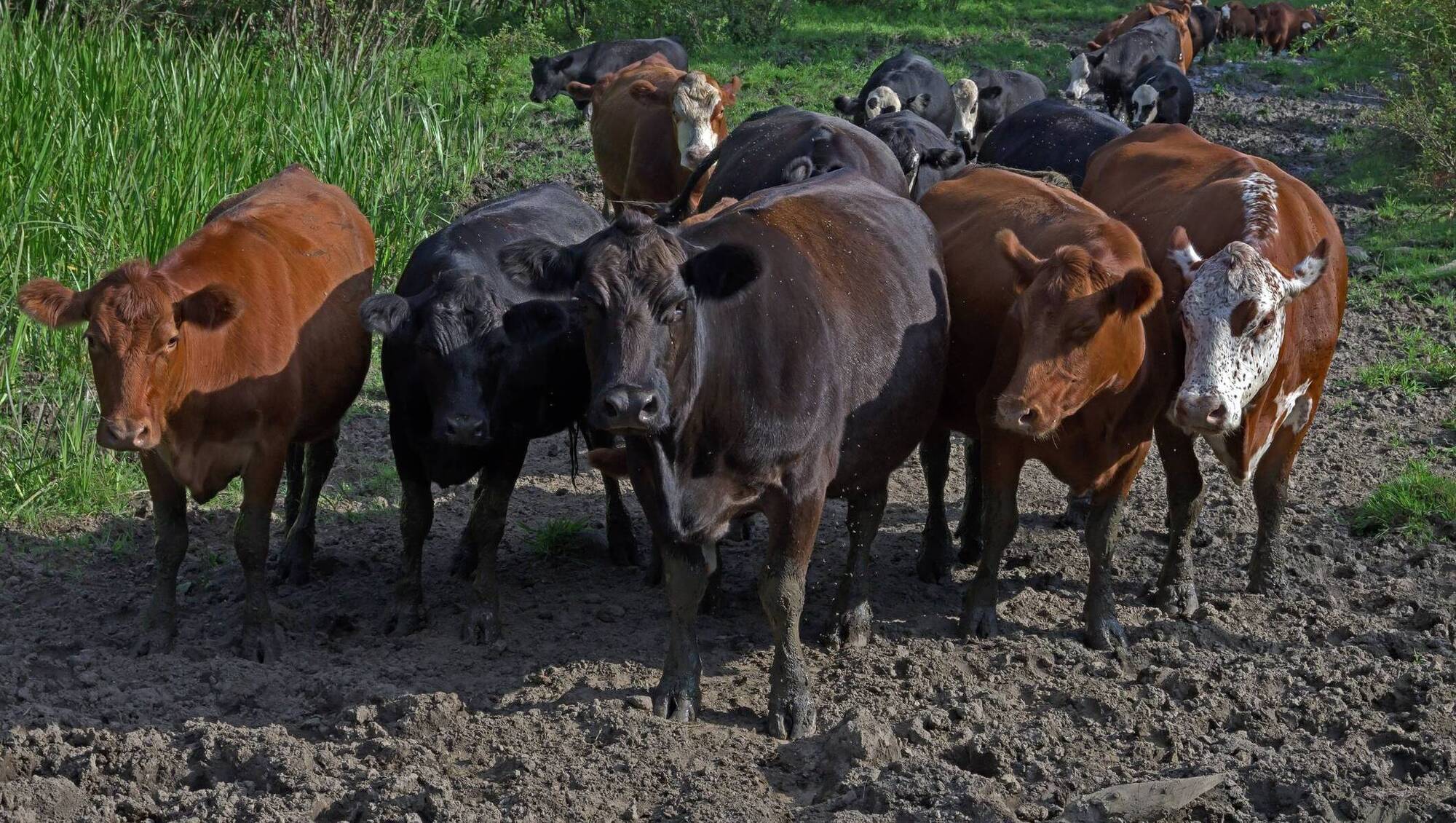
Ground is getting soft around the country, and some surface damage by stock is almost unavoidable, warns ruminant nutritionist Brian Reidy.
Storm Agnes has come and gone, but unfortunately, the rain keeps coming and ground is now getting wet, while grass utilisation is now very poor in most parts of the country.
Housing is a reality for many dairy herds by night at this point, while some beef herds have housed finishing cattle and suckler cows near calving. I’m well into calving at this point on the home farm and have so far been able to keep cows and young calves outdoors, bar a set of twins and a cow that had a caesarean.
If the weather improves, I would put them back out once they calve, as I would have 25-30 days more grass, but it looks like I will have to go a bit faster around the farm to prevent damage.
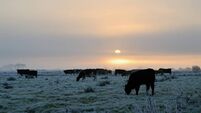
There are going to be a few very busy weeks ahead on farms with the slurry deadline upon us again. Ground is getting soft around the country, and some surface damage by stock is almost unavoidable. Hopefully, herds will get the opportunity to graze off the remaining grass before closing off for next spring.
Grass utilisation on beef farms is under pressure now as the option of on-off grazing is not possible for most as stock is either in full-time or out full-time.
As ground gets heavier and days get shorter, paddocks are not being grazed out very well, and we must also appreciate that grass is low in dry matter, low in energy and high in protein.
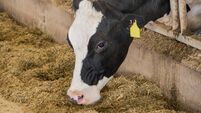
This means that it is of low feed value, and this must be taken into account when deciding what animals should remain out to graze it. With this in mind, it is sensible for dairy herds to house by night at this stage. If they go in by night now, then it may be possible to remain grazing by day, even for a few hours, well into the winter.
This will mean that cubicles can be done more easily while cows graze, but more importantly, it will make sure that cows are achieving their required dry matter to maintain performance and body condition.
Housing is not far away once all of the grass has been grazed or weather conditions deteriorate further. As I mentioned above, I will look to house all of the fresh cows and calves over the next month or sooner if the weather dictates, as it is easier to feed a consistent diet in the lead-up to the breeding season ahead while indoors.
Late spring cows and calves will stay out as long as possible and will be weaned at housing. Hopefully, we run out of grass before we run out of weather!
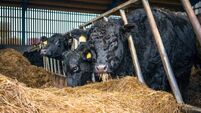
The management of a suckler herd changes a lot once indoors. Most sucklers generally calve without assistance when outdoors. Once indoors and with less exercise and a typically lower plain of nutrition, cows tend to be a little slower to calve and so may need help. Keep them sparsely distributed in the shed where possible to give them as much space and comfort as possible.
As we all know, suckler cows can get very aggressive around calving and can be very protective of their calves for a period of time. Most farms now have a purpose-built calving gate, which restrains the cow at calving if necessary.
These gates are also ideal for getting a calf started suckling safely. Getting twins off to a good start recently was so much easier with the cow restrained safely and securely.
Check that your calving jack is in full working order and that the ropes are close at hand. A source of cold water in the calving box is also handy to help resuscitate a calf after a difficult calving.
Ensure that your calving camera is working correctly to avoid unnecessary visits to the shed disturbing cows and particularly heifers in the process of calving.
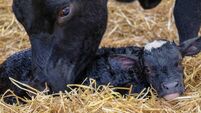
Getting ample Colostrum into a calf soon after calving provides much-needed antibodies. This will help to boost the calves’ natural immune response, further reducing the incidence of disease.
Where possible, get the calf up and drinking ASAP and monitor their suckling activity in the first few hours. Aim to leave the cow and calf in an individual pen for as long as possible to increase the maternal bond, this will help when they join the main herd in a group.
If calves are slow to stand and suck, then you must review the nutrients and minerals supplied by your dry cow diet and make adjustments accordingly.
Cows with young calves must produce enough milk to grow the calf well while also consuming additional energy to go back in calf. Silage results should be used to determine how much supplementation the cows require once housed.
In general, autumn cows will require 1-2kg of concentrates with most silages to aid them in going back in-calf efficiently, while supplying sufficient quality milk to rear their calf. Better silage will obviously require much less supplementation. Meal will carry minerals, so if not feeding meal then post-calver minerals should be supplied.
When the cow and calf join the main herd indoors, it is important that the pens are not overcrowded. Most suckler cows are housed on slats or cubicles, with calves having access to a separate creep area.
A calf creep area doesn’t need to be too elaborate but should provide the basics of a warm, dry, clean bed with access to feed and clean water. Offer straw and silage to young calves and introduce some meal in a bird-proof trough to encourage solid food intake and rumen development.
- Brian Reidy is an independent ruminant nutritionist at Premier Farm Nutrition.

BLACK FRIDAY
Already a subscriber? Sign in