Brexit food checks postponed fifth time in three years
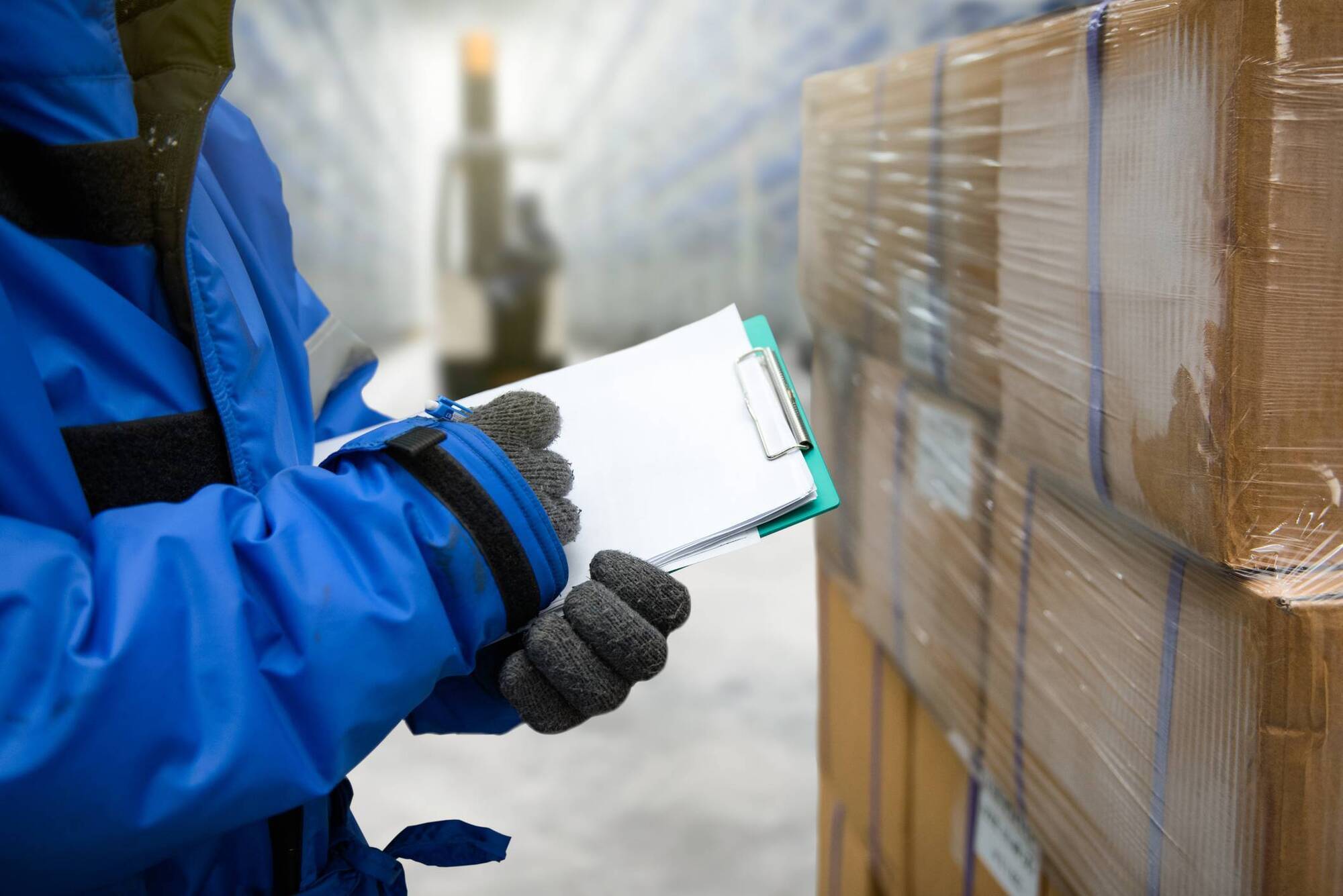
In 2022, in value terms, the UK took 19% of Irish dairy exports, 37% of our meat and livestock exports.
Exporters bracing themselves for the introduction of border checks on food, plant and animal produce sent to Britain at the end of October can breathe easier, after its postponement for three months until the end of January.
However, they must guard against fatigue, because this is the fifth postponement in three years, the fifth time companies had to prepare for a huge extra burden of bureaucracy, only to see the threat lifted. This time around, the postponement happened two months before the deadline.
In the first week of August, it was reported by the Financial Times that the British government would delay their Target Operating Model (TOM), due to start on October 31. But it was only last week that the cabinet office confirmed the post-Brexit border checks on imports of European food and fresh produce won't commence until January 31, 2024, three years after the UK formally left the EU.
Goods from Britain faced EU controls when it left the single market at the start of 2021, but the UK has repeatedly put off checks in the other direction.
Ireland's food industry depends heavily on trade with the UK. In 2022, in value terms, the UK took 19% of Irish dairy exports, 37% of our meat and livestock exports (including 43% of our beef exports), 16% of sheepmeat exports, 17% of pigmeat exports, and 59% of poultry product exports.
So there is understandable apprehension among food producers and processors about the extra export costs and bureaucracy on the way.
After all, when the EU immediately introduced checks and paperwork for goods moving from Britain into the EU in January 2021, the trade in food and drink from the UK to the EU dropped substantially, and took nearly two years to recover.
There are fears of a similar outcome whenever full border checks are introduced at British ports, and this can explain why the government in London has postponed it for the fifth time. Already, the UK has one of the highest inflation rates (consumer prices were up 6.8% in July compared with a year earlier) among developed countries, and new border checks could increase inflation, by decreasing the supply of goods from the EU. The EU supplies 28% of the food consumed in Britain.
From January 31, for the first time since 1985, food cannot be imported into the UK from the EU without border checks. The British government said it wanted to give British businesses more time to prepare for this, to avoid disruption at ports, and the risk of adding to the country's cost-of-living crisis.
But if it goes wrong, the rationing of fruits and vegetables in supermarkets seen last February, due to a mostly supply-related collapse in imports, could return.
Even if it goes well, the British government has estimated it will add nearly 0.2 percentage points to the rate of food inflation.
New checks and controls will be introduced for Irish goods moving from Ireland directly to Great Britain. But in accordance with the Windsor Framework, Northern Ireland businesses will retain unfettered access to Great Britain, whether moving qualifying NI goods directly from Northern Ireland or indirectly through Irish ports. Full customs controls for non-qualifying Northern Ireland goods will be introduced from January.
According to the revised timetable, starting from January 31, 2024, imports of medium-risk animal products, plants, plant products, and high-risk non-animal origin food (and feed) from the EU will require health certification.
By April 30, these items will undergo documentary, identity, and physical checks. Further border checks, such as goods controls and safety declarations, are to be introduced in stages later in 2024.
From October 31 2024, safety and security declarations for EU imports will become mandatory.
EU imports deemed low risk, like most fruit and vegetables, won’t require additional paperwork next year. But a new charge of up to £43 per imported consignment comes alongside separate fees for customs agents and the sanitary and phytosanitary inspections for pathogens in food, feedstuffs, animals, and plants.
Firms will face yet more changes when new safety and security declarations for EU imports will come into force in October 2024.
The postponement of border checks indicates that Britain is still struggling to come to terms with the consequences of leaving the EU in January 2020. A recent study by the London School of Economics found that Brexit was responsible for about a third of UK food price inflation since 2019, adding nearly £7 billion to Britain’s grocery bill.
Nichola Mallon, head of Trade and Devolved Policy at Logistics UK, warned after postponement No 5: “After so much time, and so many delays, logistics businesses are losing confidence in the government’s ability to provide workable solutions to enable the new trading arrangements to be implemented.”
However, Minette Batters, president of the UK's National Farmers Union said: “For the past three years, our farmers have faced the full reach of EU controls on our exports, while the EU has enjoyed continued easy access to the UK marketplace. It’s hugely frustrating for many producers that the government has yet again delayed the implementation of vital checks on goods entering from the EU.”
UK pig farmers warned that postponing border checks exposes them to potentially devastating diseases like African Swine Fever (ASF).
British Veterinary Association President Malcolm Morley agreed: “News that the Government may be once again delaying the introduction of crucial border checks on goods entering the UK is extremely frustrating and is putting the UK’s biosecurity at serious risk of imported diseases like ASF."
The disease is widespread in some eastern EU countries. And routine inspections of shops by local authorities in the UK earlier this year, which detected imported meat products, marked as suitable only for sale in the originating country, proved the serious and immediate threat to the UK pig industry. These foods had not been certified for export by a veterinarian in the originating country.
More than 1,000 confirmed illnesses in a recent UK-wide Salmonella outbreak caused by chicken products from Poland also emphasised the need for border checks.