IBR testing for the National Beef Welfare Scheme
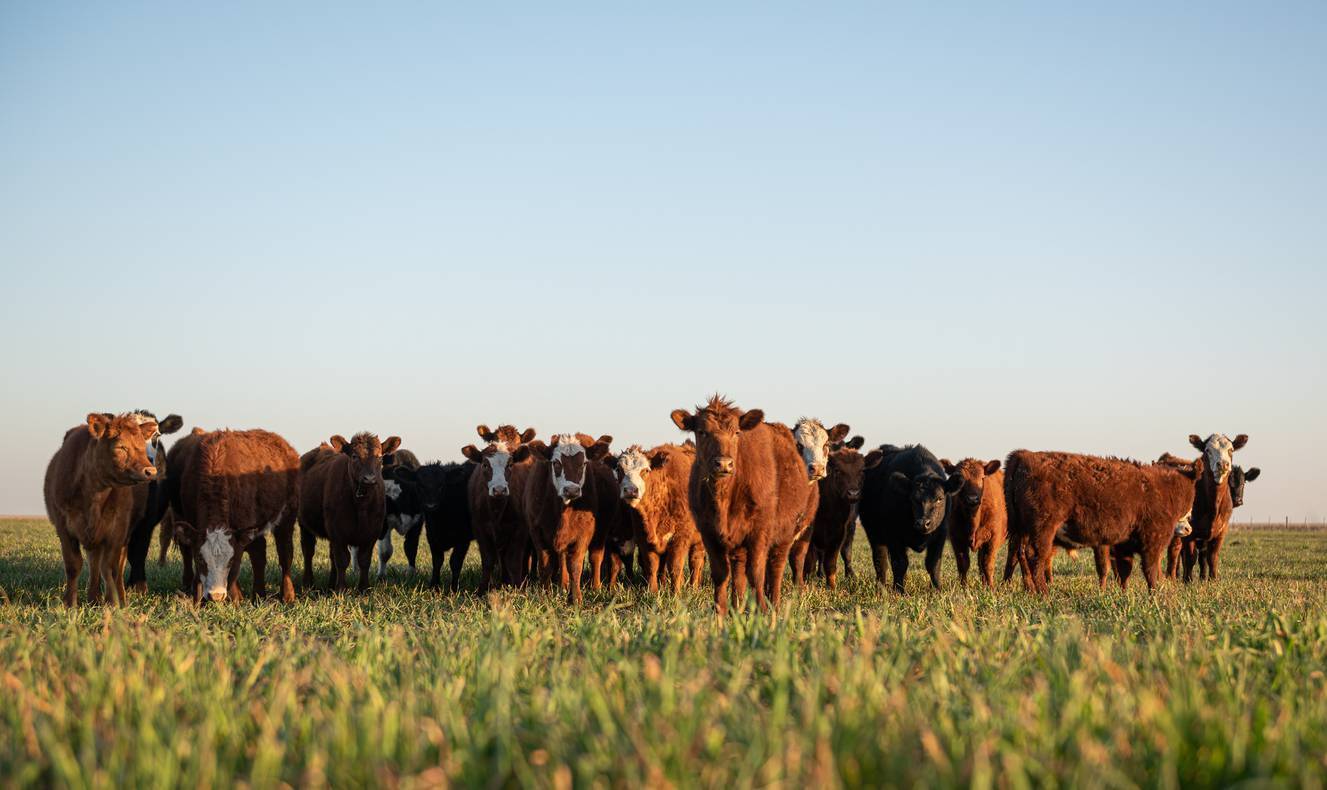
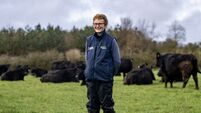
Group of young steers in the meadow
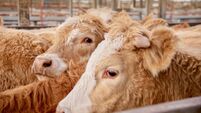
The launch of the new National Beef Welfare Scheme has brought a somewhat unwelcome reminder of Infectious Bovine Rhinotracheitis (IBR), a viral disease mainly associated with pneumonia and death but which can also result in reproductive losses, particularly abortions.
The one-year scheme essentially replaces the BEEP-S scheme, where applicants had to weigh the unweaned cow and calf, plus the option of either meal feeding around weaning, vaccination of calves, or faecal sampling.
But the weighing component is now part of the Suckler Cow Efficiency Programme (SCEP). The faecal sampling and the calf vaccination have also been dropped.
There are no optional components this time around, but meal feeding and IBR blood testing are mandatory in the National Beef Welfare Scheme (NBWS).
IBR is common in Irish beef and dairy herds, but animals can be infected and test positive even if they never had typical signs of the disease. The DAFM wants to know the status of IBR in Irish herds, and then determine an appropriate course of action to attain IBR-free status, said Teagasc Beef Specialist Aidan Murray, speaking about the new scheme with Catherine Egan on a recent edition of Teagasc's Beef Edge podcast.
“For the actual scheme, the mandatory part is getting the blood samples taken and making sure that the samples get to the labs”, Aidan said. “That’s basically to get a snapshot of what the IBR status is in your herd”.
The economic impact of IBR is estimated to be more than €100m per annum. “On a Europe-wide basis, there are a number of countries looking to have an IBR eradication type programme, and we would be exporting live animals through some of those countries”, Aidan said.
“The lowest payment for the IBR testing is €120, up to a maximum of €300 for the herds testing 20 animals”.
Each participant in the Beef Welfare Scheme (NBWS) must commit to participate in IBR testing, which is managed by the Irish Cattle Breeding Federation (ICBF) on behalf of the Department. The onus is on the participating farmer to contact a vet trained by Animal Health Ireland on the IBR protocols, to undertake the testing.
The vet will blood sample and test up to 20 cattle per herd for IBR gE antibodies. These animals will ideally be nine months old or older, or can be all ages if there are less than 20 in the herd.
For herds of 20 or more cattle, at least 20 must be tested. In herds of more than 20 cattle, all must be tested.
“In a herd, for example, with seven cows and seven calves, all 14 animals in that case would be tested”, Aidan said.
The vet will decide which animals are tested in herds bigger than 20 on the day.
The IBR results will enable farmers to develop a tailored approach to IBR (including biosecurity, vaccination, etc) in consultation with their vets.
Addressing IBR nationally is part of the Teagasc MACC's most cost-effective pathway to reduce greenhouse gas emissions.
Payments per herd are €120 for two to six animals (inclusive) tested; €180 for seven to 10 (inclusive) tested; €250 for 11 to 15 (inclusive) tested; and €300 for 16 to 20 (inclusive) tested.
The second mandatory component of the NBWS is meal feeding, to reduce the stress on calves at weaning time. “You must meal-feed the weanlings for four weeks pre-weaning and for two weeks post-weaning”, Aidan explained.
“You have the option of selecting the number of calves that you’re going to meal feed, when you make the application. So a herd may have 30 calves, but may decide to go down the route of meal-feeding 20”. Eligible suckler calves are those born between July 1, 2022, and June 30, 2023, born out of an eligible suckler cow and sired by a beef breed bull; and part of a herd intended for rearing calves for beef.
Where there are both milking and beef herds, only calves reared by their mother are eligible calves.
“Calves that were bought last autumn, many of them will have been weaned at this stage, many of them may even be sold”, Aidan said.
Hence, meal dockets and sale documents, as well as a record of when meal feeding commenced and ended, must be available for inspection if animals have been sold already, with meal dockets tallying with weaning dates.
Participants may feed purchased compound feed containing minerals and vitamins or straights (feed materials), supplemented with a suitable complementary mineral feeding stuff, and formulated for a correct level of nutrition.
If two or more straights are mixed on the farm, for example, by using a mixer wagon or loading shovel, participants must register with DAFM as home-mixers.
The payment for meal-feeding is €35 per calf, up to 40 calves. Hence, the maximum Beef Welfare Scheme payment is €1,700 per herd (€300 for IBR testing and €1,400 for meal-feeding).
Where one of the two actions is not completed, there is no payment for it, and payment for the action completed is penalised 10%.
The meal feeding and IBR testing must be undertaken by November 1; the DAFM aims to make payments for the scheme before the end of 2023.
Applications must be made online through the www.agfood.ie website, with a closing date of September 12; there will not be a late application facility.
Applicants can opt for their approved FAS adviser to apply on their behalf. Applicants must be suckler beef farmers with eligible calves born to eligible cows in the year to June 30, 2023.
Farmers in both the NBWS and the Suckler Carbon Efficiency Programme can earn €200 per cow-calf pair.
There were more than 20,000 successful applications for the SCEP. However, farmers have reacted badly to the NBWS.
IFA Livestock Chairman Brendan Golden said it is a support for service providers, not farmers.
“The payment per farmer is far too low and on too few cows. Most of it will leak to vets, laboratories and others. The inclusion of IBR testing is a huge error of judgment by the Minister”.
A suckler farmer in BEEP-S with 25 cows received €84 per cow. This scheme will only return €47, said Mr Golden.
"We estimate that, for a farmer with 20 animals, 80% of the IBR payment will be directly leaked to vets and laboratories.”