Summer Scour Syndrome should be renamed "the frustration syndrome"
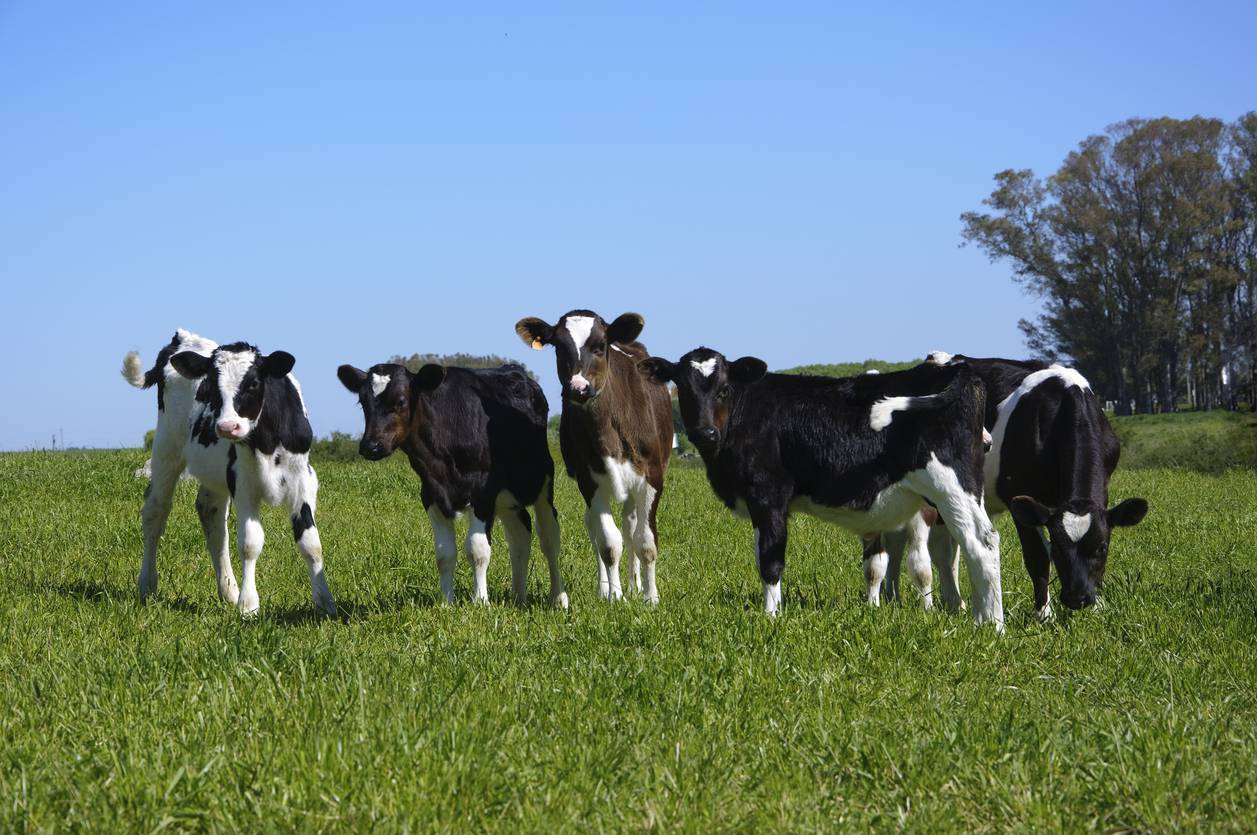
Calves naturally graze the tasty top of the grass, which is where the nitrogen is most concentrated.
Summer scour syndrome is the disease that leaves me baffled on a regular basis in practice. Although we haven’t seen much of summer weather-wise, cross the country, calves are suffering from this complicated disease.
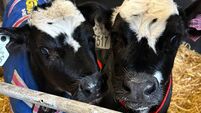
Unfortunately, it has come knocking on my own door with four calves affected this year, my Dad said he has never seen calves “melt” like these did. It really is a soul-destroying event to happen on the farm as you put in the hard work as calves, feeding and weaning to be in vain.
Full disclaimer: I have shied away from writing this article for the last few weeks as there is so much unknown about the syndrome and I am by no means an expert in this condition.
However, I have had three calves in intensive care, and I have my own experiences to share to hopefully help others to prevent the torment it has caused on our farm.
Some calves develop ulcers around their mouths, which inhibit feed and water intake further, which worsens the condition. The theories behind the disease include episodes of acidosis or excessive nitrogen intake from lush grass in the summer, causing issues with overall rumen health.
In our case, the calves started to show signs at the end of June; they were grazing a paddock that received fertiliser in April and had been grazed by heifers in the meantime.
The field was then topped and the calves were put into graze; all was fine until growth rates increased and potentially consumed grass that was too high in nitrogen. Unfortunately, calves like the good and finer things in life when it comes to grass - they naturally graze the tasty top of the grass, which is where the nitrogen is most concentrated.
To be classed as summer scour syndrome, other more common causes of scour need to be ruled out through faecal egg counts resulting in negative samples for coccidiosis and worms.
I sent samples to the lab when I spotted the scour despite knowing that I had wormed them two weeks previously and dosed them for coccidiosis in May.
When the negative results confirmed summer scour syndrome, my heart sank as I know of the heartbreak it can cause, and I have seen it first-hand in practice.
Research is ongoing at UCD Veterinary College currently looking at the syndrome, and from early results, bloodwork is coming back with high urea levels. Nitrogen is ingested by the calf, broken down to ammonium by the rumen and then to urea in the liver.
The increased blood urea is then followed when the levels are too much for the kidneys to excrete into the urine. Interestingly, one side effects of urea in mammals include uremic ulcers and loss of appetite, which could explain the ulcers demonstrated by these calves. I decided to take blood for biochemistry to check liver and kidney function, which returned extremely high urea levels indicating possible nitrogen toxicity, which is in line with what UCD is provisionally finding.
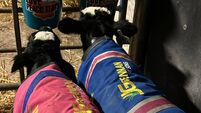
The sick calves are now housed full-time on a diet of hay and calfage (TMR for calves), and they are getting 100ml of Precision Microbes every day. I also administered an IV drip to one of the calves as she was showing signs of dehydration due to fluid loss through scour. The gut needs time to heal, and it can be a slow process. But unfortunately, despite my best efforts, one of the calves did not make it.
The theories behind prevention all include promoting ruminal health and parasite control.
The early days of a calf’s life are essential to get rumen health set up for life, making sure to provide creep feed and fresh water in the first week of life. The weaning process is the next step following the recommended guidelines to set the calf up for ingesting grass - a calf should eat at least 1.5kg of concentrate per head.
A fibre source (hay or straw) available in the pasture seems to be a key preventative step to help reduce the effects of overindulging on lush grass when turned out.
Another way to prevent excessive intakes of lush high starch and high nitrogen grass would be to stripe grass, ensuring that not just the top of the grass is eaten but also the more fibrous parts nearer the root.
Pasture management is crucial; putting calves into stronger covers and avoiding reseeded grass are some of the suggested preventative steps. There are a lot of supplements on the market that act as rumen buffers that can be an added protection tool against acid spikes, ask your vet today for advice on their use alongside concentrate feeding.
As you can see tell from my use of “could” and “perhaps” throughout this article, there is still so much more to discover about this syndrome.
Let’s hope that, though the power of research, we will know more about this frustrating disease in the near future.
For now, I will continue to nurse my calves back to health and be more careful of calf pasture management in the future. This week it is back to the rolling hills of Mitchelstown to locum. And I am really looking forward to meeting new farmers and hopefully an interesting caseload.
- Hazell Mullins BVM BVS, is a large animal vet based in Carrignavar, Co Cork.