The value of proper weaning for early spring-born calves
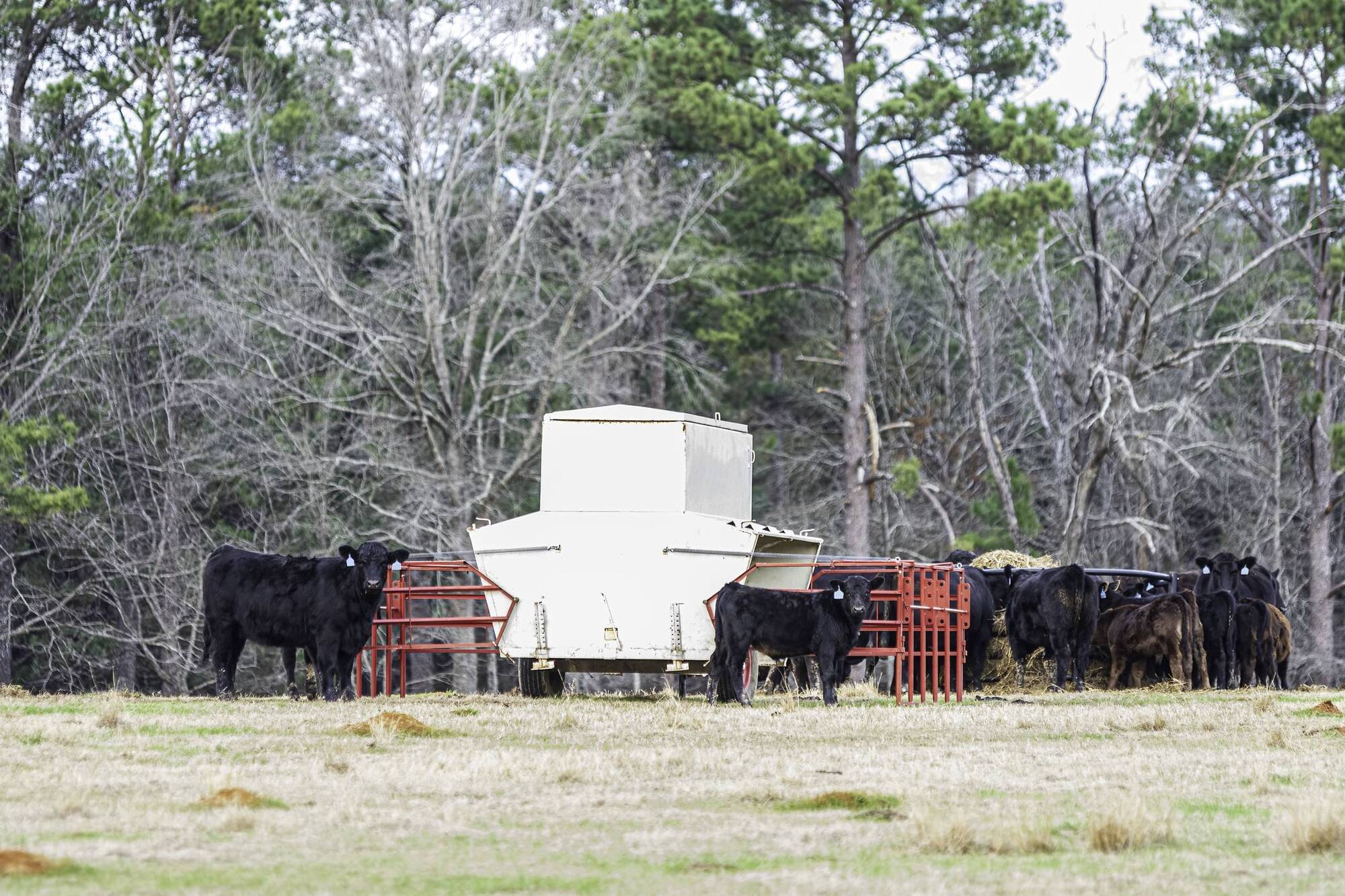
Regardless of whether you are joining the suckler welfare scheme or not, feeding creep to calves pre and post-weaning is still good practice around weaning and will improve animal performance.
Harvest is stuttering along slowly, and unfortunately, a settled spell does not look like it is in the forecast. Saving straw has been close to impossible, and supplies look very tight for bedding and feeding. The recent weather has also created very variable grass growing conditions, with quality nothing like it should be for the middle of August.
Unfortunately, as we edge closer to September, growth will slow down further as the days get shorter. It will soon be time to start banking grass to extend the grazing season later on in the year.
For those lucky enough to take second cuts in early July, aim to get any third cut or bales made so that you will be able to bring after-grass into the rotation sooner rather than later. Grass will need a bit longer to wilt at this time of year, particularly if it is being baled. Grass is currently 13 to 15% Dry Matter.
Early spring-born suckler calves will be weaned over the coming weeks. Weanling sales have just started around the country, and good weaning practices will help to optimise the price you get. Prices have remained buoyant, particularly for quality lots.
Doing a good job at weaning is well worth the work, as buyers know which animals have been weaned well and can spot the ones who have just come out from under the cow.
It will help reduce stress on the calf as it reduces their dependency on their mother’s milk. This, in turn, makes it easier for the suckler cow to dry off without the associated complications. The creep feed supplied to calves should include good quality ingredients, be palatable and include minerals.
When weaning calves, reducing stress must be your priority. Stressed weanlings are much more prone to illnesses such as pneumonia.
Any dosing, vaccinations, castrating, etc., should be done well in advance of weaning. Once weaning has occurred, then the calves should remain on creep feed for at least two weeks, along with top-quality grass.
Some will wean calves from cows and leave them in an adjoining paddock separated by three strands of electric fence to reduce the noise. Others will put cows indoors on straw and send the weanlings as far away as possible so that they won’t hear them bawling at night!
I have noticed that if calves are well settled on meal pre-weaning, then it is the cows that are more upset post-weaning. The calves, in actual fact, miss the milk far more than they miss their dam, and if milk intake has dropped in the previous weeks, then weaning is easy for the calves. Whatever system has worked well for you in the past, stick with it, but try to optimise calf performance and minimise sickness throughout the process.
I wean calves at home by putting the group of cows and calves into the shed with locking barriers, the cows put their heads through the barriers, locking themselves in, and I only have to run the calves out of the shed, and the job is done. Put straw only at the barrier for 72 hours, and the cows are dry and ready to return to grass.
Some use an electric fence wire in the corner of a paddock as their creep area. The fence is high enough for calves to go under, and the meal is fed in an open trough in the creep area.
One benefit of this is that you can regulate the amount of meal consumed daily by the weanlings as they can all eat at the same time. You can also be sure that all weanlings are getting some meal, and you can identify shy eaters.
It is important that the calves eat the meal allocation quickly so that the meal doesn’t attract birds which can be a major source of disease. However, you will need plenty of current in the fence to prevent suckler cows from getting through!
I wean calves at home by putting the group of cows and calves into the shed with locking barriers, the cows put their heads through the barriers, locking themselves in and I only have to run the calves out of the shed and the job is done.
Put straw only at the barrier for 72 hours, and the cows are dry and ready to return to grass. Calves will have had access to creep for four weeks pre-weaning and are fed in troughs once weaned to make sure all get an equal chance to eat their share.
As I mentioned above, plenty of straw for three days after taking away calves is usually ample to dry off suckler cows. If you have issues on your farm with mastitis, consider tubing cows. Once dry and settled, many will let dry sucklers follow other stock to clean out paddocks.
Remember that most sucklers at drying off have plenty of condition and don’t need to put any more on. Leave them to work a bit harder for their feed for a period of time. If weaning now, they are a good bit away from their next calving, so controlling conditions will reduce complications at calving and also make the cow cheaper to keep.
- Brian Reidy is an independent ruminant nutritionist at Premier Farm Nutrition.