Fodder deficits on 15% of Irish farms
Fodder deficits on 15% of Irish farms

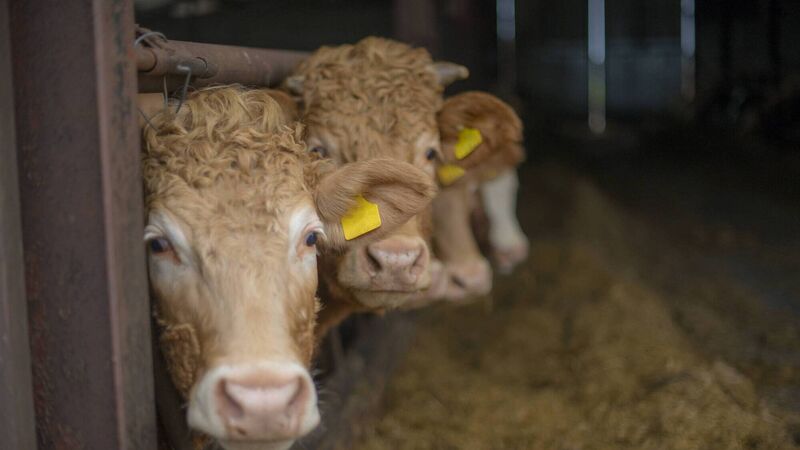
Around 15% of dairy and drystock farms still have significant deficits, with less than 40% of their winter feed requirement on hand.

Teagasc's national fodder security survey shows that, on average, dairy and drystock farms are on target for adequate winter fodder supplies after completion of first silage cuts.

However, around 15% of dairy and drystock farms still have significant deficits, with less than two-fifths (40%) of their winter feed requirement on hand in July.


The working targets for this stage of the year are for dairy herds to have at least 70% of silage on hand, and for drystock farms to have at least 75-80% of silage on hand. 

Advisors say normal to average July to September grass growth plus adequate yields of second-cut silage should leave the majority of livestock farms in a relatively secure position. However, farms with larger deficits will require significant increases to the secured feed supply in the coming months.

The data was collected from around 500 farms from mid-June to early July, after completion of silage first cuts and presented on Wednesday, July 19, to the National Fodder and Feed Security Committee.

Second-cut crops and other additional forage stocks will be added to final budgets in September. Budgets were completed using the fodder budget function on PastureBase Ireland and were collated by region.

However, there was no clear pattern of scale, location or enterprise to characterise farms with significant feed deficits, suggesting that individual farm management decisions, and not weather or land type issues, may be the primary factor determining feed budget balances.

Commenting on the survey's results, Joe Patton, Teagasc Survey Co-Ordinator, said: “The survey shows all regions are in a good position for this time of year. There were some regional issues with growth rate in early summer, but overall, farmers have managed to build silage stocks quite well so far. 

"Of course, the situation could change depending on second-cut yields and autumn weather, but for the most part, the situation is good.

"Teagasc recommends carrying a rolling silage surplus of 25-30% as a buffer. Many farms should be able to reach that level this year with correct management.”

Tom Curran, head of Teagasc's Advisory Services, added: ”We would encourage more farmers to complete their own fodder budget, especially if they are concerned about their current situation. Options are available and our Teagasc advisors will help with these decisions. Finally, Teagasc would like to thank all the farmers who participated in the survey.”

x

More in this section

Farming

Newsletter

Keep up-to-date with all the latest developments in Farming with our weekly newsletter.

Cookie Policy Privacy Policy Brand Safety FAQ Help Contact Us Terms and Conditions

© Examiner Echo Group Limited