Winter fodder shortages: What are the options? And what should you pay?
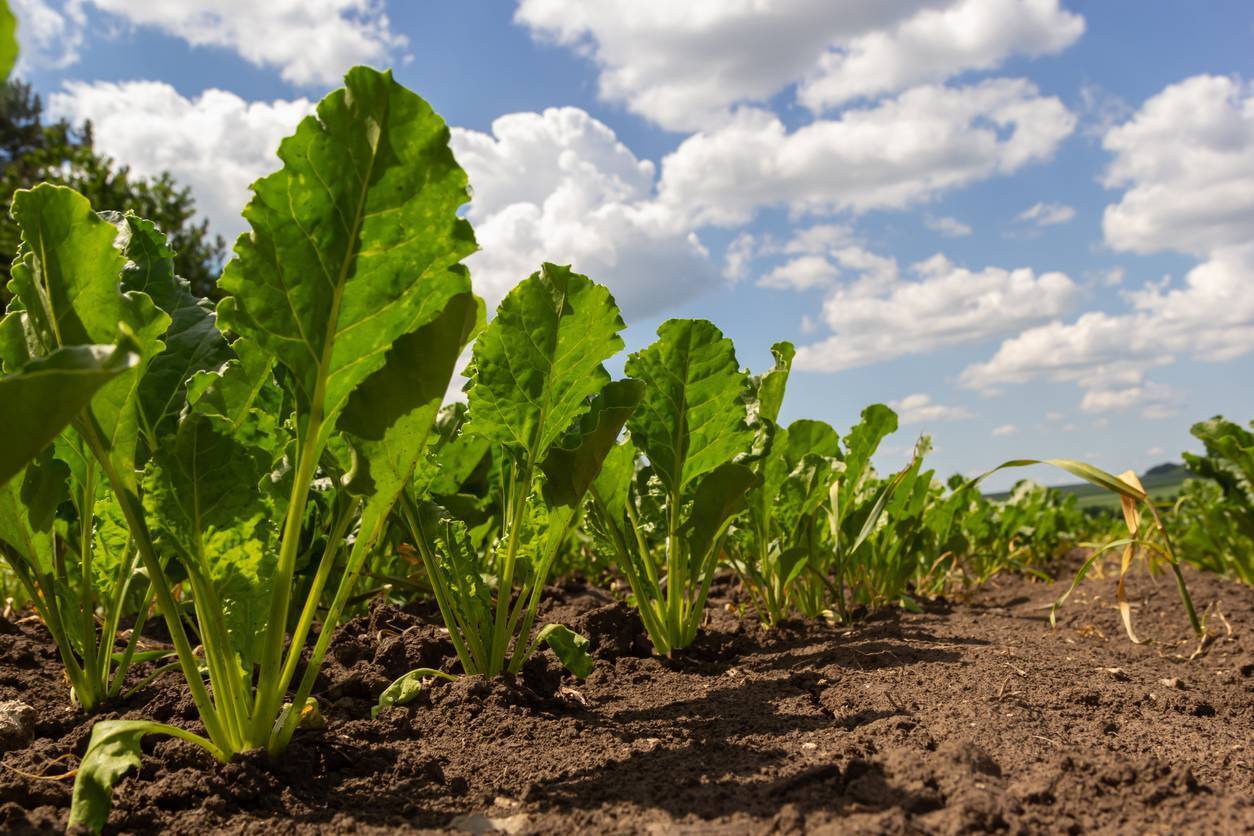
Beet may be hard to source this year as a lot of tonnes have already been booked up.
The last few weeks have been difficult for grassland management across the country.
Growth has slowed and swards have become very stressed, resulting in a drop off in animal performance, and for many, it has meant the reintroduction of forage and extra concentrates to slow down the rotation.
As a result of the extra feeding required and the slow growth of second-cut silage crops, many are now concerned about forage supplies for next winter, with the likelihood of shortages increasing.
Careful planning is now needed to stock up with the right feed at the best value.
It is important to establish sooner rather than later that you may have a deficit of forage.
Only when you know the volumes required can you take action. Even this early in the year, an accurate feed budget is essential, as any mistakes could prove very costly later on when the availability of feed may be limited.
For some, the results may mean reducing stock numbers or at least beginning the search for additional sources of feed with plenty of time to source it.
First-cut silage quality is going to be average on most farms this winter as the wet and cold spring delayed fieldwork, slurry application and fertiliser, meaning a later-than-planned first-cut.
The knock-on of this is that most first cuts were not cut long when the recent dry spell kicked in. Many second cuts are still very low in volume and will not be cut for some time yet.
What alternatives to grass silage could potentially be available out there?
Maize looks like being a fantastic crop all around the country. After all, its origins were as a tropical crop, and it thrives on plentiful sunshine and heat, of which it has had an abundance over the last number of weeks.
Even later-sown crops have flown out of the ground and will make great feeding. Bulk and quality are on target to be very good and sunshine later on in August and September for ripening will hopefully ensure these remain on target.
Maize silage is a fantastic feed for early lactation cows as a complement to grazed grass and also for finishing cattle. My understanding is that there is a reasonable acreage of maize silage growing at present that is for sale. Prices quoted for crops harvested represent value when compared to prices quoted for silage bales and grass on the stem.
Depending on where in the country you are, Wholecrop cereals may be an option. In some areas sourcing whole crop is nigh on impossible. Make sure, however if you are buying Wholecrop, that you value it correctly and don’t overpay for it.
You need to get an independent estimate of the yield potential of the crop in question; after that, value the crop based on the current forward combine price of grain and add that to the price predicted for straw in your area.
Harvesting whole crop will be slightly more than the cost of combining the cereal and baling the straw, so consider that too in any evaluation. This is a common issue when buying whole crop is not subtracting the combining and baling costs before pricing the crop.
If you are harvesting a whole crop, make sure that all of the grain is cracked during harvesting to ensure that animals can use all of the energy when it is fed.
It is too early to predict how beet will turn out in 2023. Early sown crops are going well this year, while late sown crops are hardly above the ground and had been struggling before the recent rain.
As a result, beet may be hard to source as a lot of tonnes have already been booked up.
Beet is an excellent feed for freshly calved cows and beef finishers, providing an excellent energy source. It can be fed at high levels once feed management is good.
Huge savings are to be made by purchasing grain off the combine, as is the case every year.
A good way to stretch silage is to feed youngstock on straw and meal only.
Straw will be a challenge this year as spring barley crops will have a very low straw yield. Get your order in early.
By-products Food by-products may also be available such as brewer’s, wet distiller’s, and confectionary by-products. However, all of these are now in big demand and may prove difficult to secure. Ask the question and assess their value versus other options.
When considering the purchase of fodder to supplement your own stocks, it is important that it fits in with your storage and feeding systems first.
After that, you must look at value for money. To do this, you must not just look at the price per acre or per tonne. The important sum is the cost per 1000 UFL of energy fed to your animals.
Buying maize silage will almost always be cheaper than grass silage per 1000 UFL and given that it can be stored in the same facilities as grass silage, then it must be considered by all producers.
With whole crop, once it is fairly priced, it will also represent value vs grass silage. Beet requires specialised equipment to process and feed it, so consider those additional costs in any calculation.
For many looking to stretch silage, the meal and straw may be the simplest for the yards set up and with cereal prices dropping at harvest, concentrates will be down in price next winter.
- Brian Reidy is an independent ruminant nutritionist at Premier Farm Nutrition.