Irish beef imports up by 58%
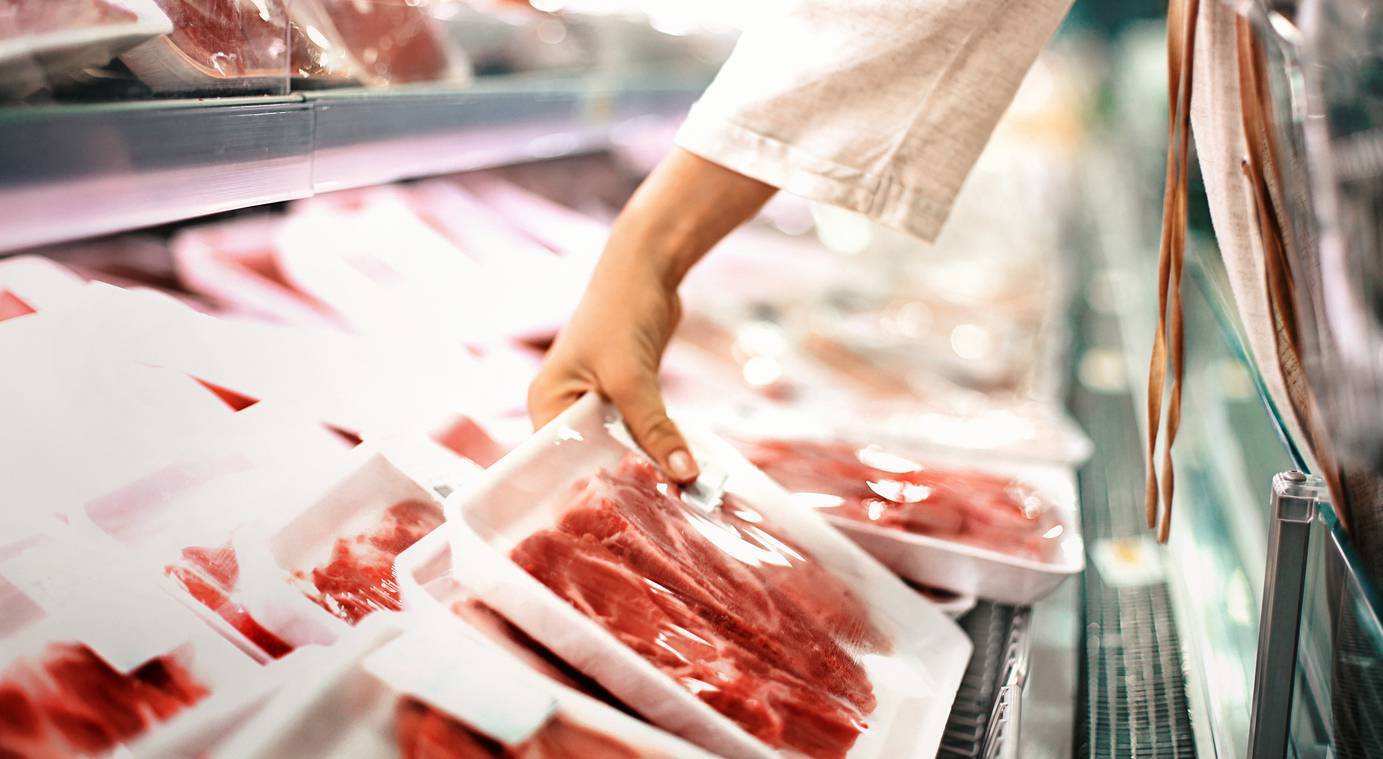
14,119 tonnes of beef were imported in the first quarter of 2023.
Irish beef imports are rising, but they still accounted for only 6% of exports in value terms during the first three months of 2023, the Dail was told.
Central Statistics Office trade data show that 14,119 tonnes of beef were imported in the first quarter - an increase of 5,154 tonnes (58%) on the same period in 2022.
The United Kingdom (12,920 tonnes), Spain (511 tonnes), Netherlands (150 tonnes), Denmark (147 tonnes) and Germany (100 tonnes) were the top five countries of origin for the imports.
During the same period, Ireland exported 117,720 tonnes of beef, including 53,375 tonnes to the United Kingdom.
Full-year exports of primary Irish beef products, according to Bord Bia, were valued at more than €2.5 bn in 2022, up from just over €2.1bn the previous year.
Agriculture Minister Charlie McConalogue, replying to Mayo TD Alan Dillon in the Dail, said the latest CSO trade data for the first quarter of the year show that beef imports amounted to 12% of Irish beef exports in volume but only 6% in value.
Looking at full-year data, he said 51,665 tonnes of beef were imported last year, an increase of 16,994 tonnes (49%) over 2021.
The Mayo TD also asked if the Department had assessed the impact of the imports on Irish beef prices in the period.
Minister McConalogue said the nature of all commodity markets is that prices fluctuate, and international trade flows are a two-way process.
As the Irish beef sector is highly export oriented, its success is dependent on the maintenance of an open, rules-based multilateral trading system.
To ensure transparency for all sector stakeholders, the European Commission, the Department and Bord Bia publish online data on a range of beef price indicators.
According to the Department’s weekly Meat Market Report, he said the deadweight price of Irish R3 steers was €5.24/kg (excluding VAT) for the week ending May 21. The price for the grade has been relatively stable since the beginning of February.
Bord Bia data tracking the prime Irish composite price against the prime export benchmark price shows that the Irish price is currently 28c/kg above the benchmark price.
In effect, this comparative data means that Irish beef prices are above the levels prevailing in our main European export markets, making the domestic market attractive to trading partners.
Minister McConalogue said in this context, the prime Irish composite price refers to the average price paid for prime beef animals (steers, young bulls and heifers) slaughtered weekly in Ireland based on the annual kill share for those categories and the main carcase grades.
The prime export benchmark reflects the prices paid for prime cattle in different carcase categories and grades.
He said it is weighted according to the relative importance of key export markets for Irish beef - specifically, the UK, France, Italy, Germany, Netherlands and Sweden, where Irish exporters must compete with other European and international suppliers.