Vet on the Moove: Don't let a fly in the eye affect your herd health this summer
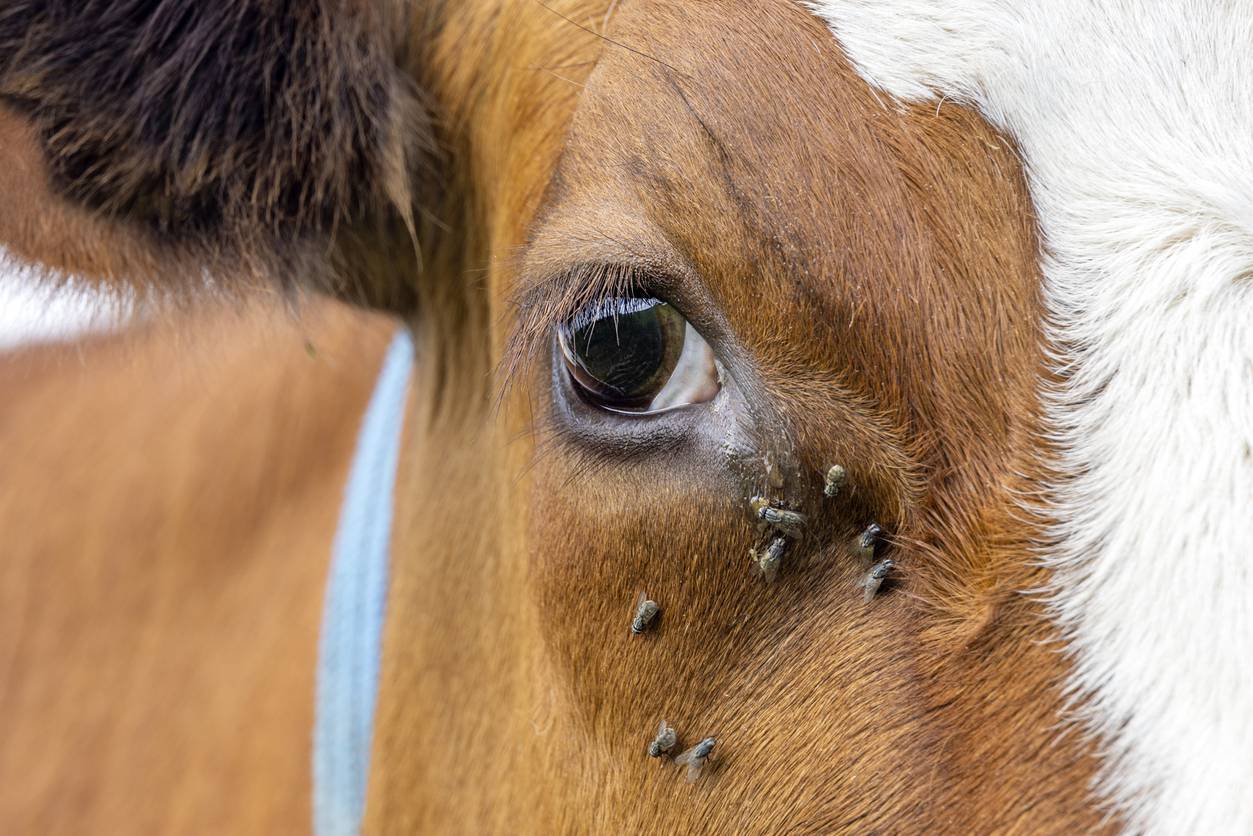
Pink eye or Infectious Bovine Keratoconjunctivitis (IBK) is another common consequence of having flies among cattle.
With silage season always comes hay fever season, that joyous time of year when the sun is shining and all I want to do is hide indoors and shut all the windows.
This isn’t an option in my chosen career, so instead, I keep the pharmaceutical companies in business with anti-histamines and eat locally produced honey from Watergrasshill by the spoon. I empathise with the cows being driven mad with flies; it's usually around the same time and whilst there is no cure for either it is all about what we can do to manage the symptoms.
Flies are not just a nuisance for cattle that can affect productivity; they can also act as vectors for a disease that can result in serious consequences for animal health. Every year in practice, I am called to an autumn-calving cow or a maiden heifer with summer mastitis, directly linked to flies landing on their teats spreading infection.
The distinctive swollen udder with a yellow custard-like appearance of the summer mastitis discharge are tell-tale signs (apologies if you’re eating breakfast). The cow may also present with swollen legs and may appear lame or stiff. You may also see flies on the udder during the examination and appear generally aggravated. The cow or heifer, in my experience, can be running a high temperature and with that, there is a high risk of abortion if left untreated.
Cases of summer mastitis can vary in severity; prompt treatment is essential with a Non-Steroidal Anti-inflammatory injection to reduce the high temperature and ease the pain caused by the infection. Your vet will be the best to advise on antibiotic choices, either intra mammary, systemic antibiotics or both, which all depend on severity. It is essential that the udder is striped of the mastitis milk and toxins removed at regular intervals throughout the day.
Safety is paramount when doing this and it may be necessary to tie her leg up to prevent the probable kicks due to the pain in the udder.
Another common consequence of flies with cattle is Pink eye or Infectious Bovine Keratoconjunctivitis (IBK), caused by the bacteria Moraxella, which is spread via head and nuisance flies. It, again, can be a very painful condition, especially when the eye is exposed to sunlight and can be very contagious if animals are in close contact with each other.
It is more common in young stock than adult animals in general, as they tend to bunch together to feed during the summer months.
Pink eye can have a knock-on economic effect with poor performance and reduced weight gain. Consult your vet for treatment recommendations as they can vary with the severity of the infection. Severely affected cattle should be housed and kept out of direct sunlight to help with pain relief.
Animals with a cut or post-surgery need to be given more attention during the fly season. My surgery kit for summer always includes a fly pour-on to deter the flies from infecting the wound.
It is an added complication of summer C-sections that, as vets, we could certainly do without, not to mention being attacked ourselves during the operation. Many an evening has been spent covered in Midge bites post C-Section - another occupational hazard that comes to mind at this time of year.
Fly prevention should be a multi-modal approach, incorporating both environmental factors and the use of repellents. Thinking about the environment the animals are grazing in during the summer months is the first step to minimising fly exposure.
Try to avoid fly breeding habitats such as near wooded areas, manure storage areas or damp fields with stagnant water ponds. A build-up of muck at feeding troughs, especially if under trees, can act as a new breeding environment for flies, so it is important to monitor. Choosing open, dry fields with low to medium grass cover will help discourage flies from irritating cattle.
Using fly repellents in the form of a pour-on or an ear tag in accordance with their recommended dosing intervals can help to prevent these secondary diseases. Always seek veterinary advice for the use of repellents due to withdrawals, contraindications in pregnancy and possible future resistance formation.
Garlic licks can be useful as the subsequent sweat of the animal then acts as a deterrent to the flies. However, it is essential again never to give to lactating cows as it can taint the milk as nobody wants to drink garlic milk, always remove the lick two weeks prior to calving.
The fly may appear innocent, but it can cause a lot of issues on the farm, be “fly aware” this summer and keep our animals comfortable. For my own sake and my fellow Hay fever warriors, let’s hope the pollen count reduces soon and we get back to our non-puffy, non-sneezy selves again.
- Hazell Mullins BVM BVS, is a large animal vet based in Carrignavar, Co Cork.