Rewetting land for biodiversity under debate 
The increased focus on the role of ponds in biodiversity comes against a background of growing controversy over a proposed European Union nature restoration law that includes the rewetting of previously drained land now in agricultural use.
Rewetting land for biodiversity under debate 

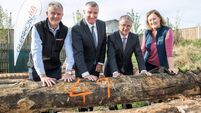
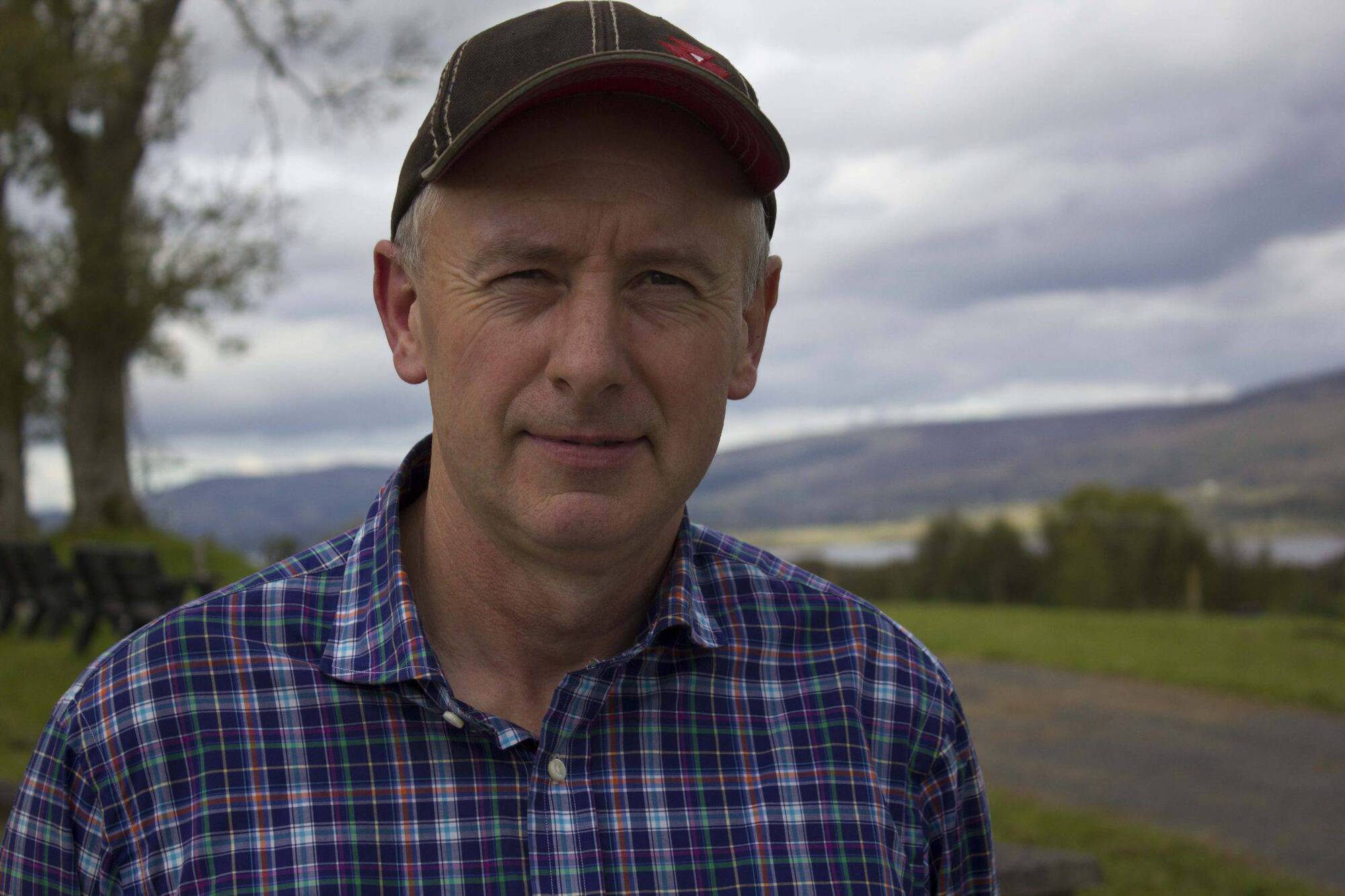
Tommy Earley, Farming for Nature

The promotion of ponds on farms and other locations was highlighted during National Biodiversity Week.

Over 150 events were held during the 10-day celebration of nature and wildlife, organised by the Irish Environmental Network and funded by the National Parks and Wildlife Service.

There are about 12,200 small, enclosed water bodies across Ireland, with 8,000 of them less than a hectare in extent.

Research has found small ponds sequestered 20-30 times the amount of carbon compared with woodlands, grasslands and other habitats.

However, the number of farmland ponds declined by 53.9% between 1887-1913 and 2005-2011 due to more land being used for agricultural production.

Some farmers have made great efforts, however, to create ponds for nature. They include Roscommon beef producer Tommy Earley, who manages a 100-acre organic Aberdeen Angus suckler farm on the shores of Lough Allen.

“We have lost the sense of connectedness under our feet and once we get that re-established, we will be on our way to a healthier planet,” said Tommy, who has been a Farming for Nature Ambassador since 2019.

It was no surprise to see a focus placed during National Biodiversity Week on how correctly managed ponds can positively impact nature.

An Taisce’s pond development officer Aoife O’Rourke said the aim is to promote the role that ponds can play as a refuge for biodiversity by supporting the development of expertise in pond creation, management, and conservation.

With 85% of Ireland’s EU-protected habitats reported to be in “unfavourable” condition and 46% of these in decline, warnings were issued during Biodiversity Week that the country faces a future of rapidly disappearing wildlife unless action is taken.

The increased focus on the role of ponds in biodiversity comes against a background of growing controversy over a proposed European Union Nature Restoration Law that includes the rewetting of previously drained land now in agricultural use.

Irish Farmers Association president Tim Cullinan said the current proposals must clearly ensure farmers and future generations can actively farm their land, while safeguarding the future of rural Ireland.

“The proposals will clearly have a negative effect on the rural economy and the future of Irish farming, and these proposals are being driven from the EU without any clear data or impact assessment,” he said.

Last week, the European Parliament’s Agriculture and Rural Development Committee (AGRI) rejected the proposal by 30 votes to 16.

The vote was the first in a series to be held across various committees before the parliament as a whole decides on the controversial legislation.

The European Environmental Bureau, representing 180 member bodies in 40 countries, expressed dismay at the outcome.

“Instead of offering solutions to devastating floods and droughts that threaten farmers’ livelihoods and long-term food security, the AGRI Committee turned a blind eye to farmers’ problems,” it said.

Frans Timmermans, executive vice president, said the commission will not come up with another proposal because there is not time to do so. But it was ready to address parts of the current proposal that has caused concern.

IFA Environment chair Paul O’Brien said farmers recognise the role they can play in restoring nature and are already carrying out measures to do this.

“However, the lack of clarity on the potential impact of the proposed regulation on farmland and production is very worrying.

“It is vital that a full impact assessment is undertaken to quantify the area of farmland that will be affected to ensure the proposed targets are realistic and fair and are not detrimental to the continuation of farming,” he said.

Minister of State Malcolm Noonan recently told the Dail the Government is negotiating a position in the EU to develop a stance on the nature restoration regulation that will work for farming.

“We recognise that farmers will be voluntarily involved in any scheme eventually developed regarding a nature restoration plan. We want to ensure that this will work for Irish farming,” he said.

Taoiseach Leo Varadkar said: “We know from our projections that between now and 2030, we can do all the rewetting on publicly owned land, mainly the Bord na Móna lands, and we are looking at what we need to do beyond that.”

Claiming there has been a fair bit of scaremongering around the issue, he said he hoped they would be able to dispel that as the directive is refined and negotiated at European level over the next couple of months.

However, Irish Creamery Milk Suppliers Association president Pat McCormack said farmers "will not be fooled by the notion that public lands will be used to meet commitments up to 2030".

"If the Natura Restoration Act, as currently structured, is passed, there will be a legal obligation on some private landowners to rewet part of their lands,” he said, describing that situation as "intolerable".

Fears that the proposal will force some family farmers off the land were voiced at a Joint Oireachtas Committee on Agriculture, Food and the Marine meeting earlier this year.

But the director for biodiversity in the European Commission’s Directorate-General for Environment, Dr Humberto Delgado Rosa, denied this was the intention.

“We do not propose to remove people from anywhere or to disallow families to live. On the contrary, the flexibility provided allows us to maintain every family with their own production,” he said.

x

More in this section

Farming

Newsletter

Keep up-to-date with all the latest developments in Farming with our weekly newsletter.

Cookie Policy Privacy Policy Brand Safety FAQ Help Contact Us Terms and Conditions

© Examiner Echo Group Limited