Silage - with a hint of organics - in Aherla
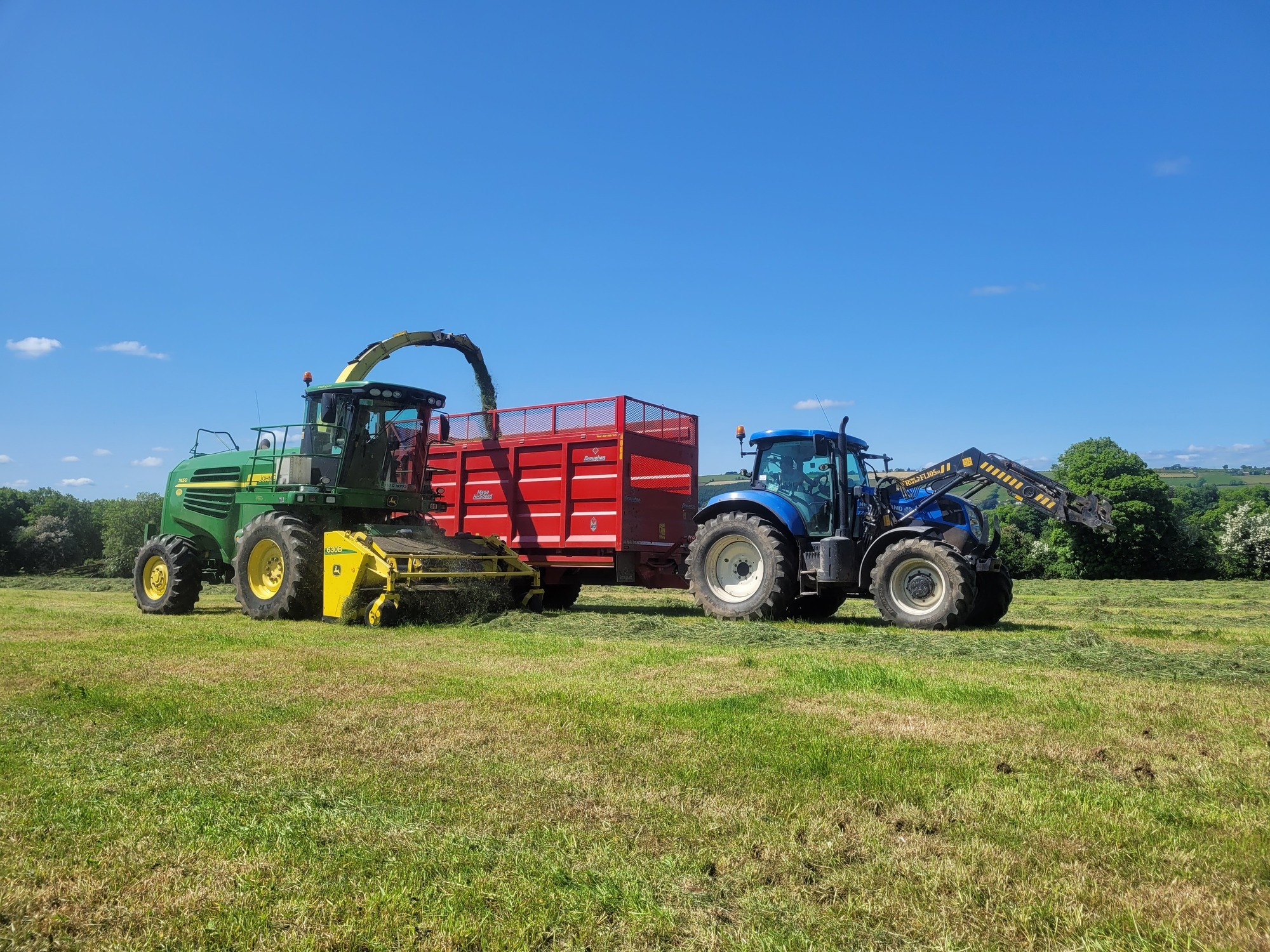
Contractor Tim Sheehan harvesting red clover silage on the Hynes farm
It feels like the summer has finally arrived. The sunshine and heat definitely lift one's spirit and put a pep in your step. With the first few shows out of the way, we are back in the showing routine, and everyone and everything has its place, making the mid-week easier to plan.
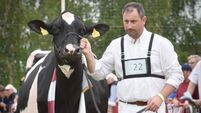
Becky headed off over to Devon to spend the week with Magic, our red and white show heifer we purchased earlier in the year. It was the first time she travelled on her own, but it didn’t faze her at all.
She flew from Cork to Bristol, a route that has just recently opened from Cork airport, and the timing was ideal. I must admit I did shed a tear at the airport; my babies are all growing up too fast.
I had to remind myself that this was the first trip of many planned for the year, so I will have to get used to it; however, the future trips will also have a sense of excitement as I know she will be heading over to compete at some wonderful shows.
We are a few days later than last year, but we did graze everything before we closed up the silage ground, and with March and April not playing ball weather-wise, growth had been slow, but with the heat in the last few weeks, growth had dramatically improved.
We mow the majority of our silage ourselves, and then the contractor rakes and picks it up. With the heat and glorious sunshine for first cut, we decided not to tedd out the crop on this occasion. We started setting red clover for silage last year, some was stitched in while we also had a full reseed on another field.
Both worked extremely well for us, and given the mild winter and how the red clover had continued to grow, we decided not to spread chemical nitrogen on these fields; however, they were targeted with P and K.
It seemed to be a decision that worked in our favour as they were certainly our heaviest crops. However, they did seem to be high in nitrogen, so we mowed them the evening before we began mowing the rest of the crop to allow for a longer wilt.
We have been using a silage additive for the last few years; we always feel it makes good silage even better and really helps with fermentation.
Given the success we had with Precision Microbes calf products and how they improved performance, we decided to use the Precision Microbes silage additive this year. It was applied via an ultra-low volume applicator on the silage harvester at a rate of 100ml per tonne of silage.
While there is a drive amongst some policymakers in Ireland to increase the amount of certified organic farmers in Ireland, the reality is that organic status may not be a benefit to dairy farms.
Germany is seen as the flagship market for organic produce in Europe; here, organic dairy held 6% of the market share pre-covid, which then dropped to 4% and has not recovered, forcing many German organic dairy farmers to go out of business.
We would hope to set more red clover this year if we can secure seed, which is in short supply.
The field we reseeded on March 7 was grazed a week ago, clover content seems to be extremely good, and we plan to graze this paddock every 12 to 14 days now to aid tillering. Again, this field will require little or no chemical nitrogen in the future with the high clover content.
All we really need on the farm now is some nighttime rain, I do love the sunshine, but conditions are a little dry for the time of year.
In saying that, I remember Midleton show last year was the hottest day of May 2022, yet a week later at Belgooly Show on the June bank holiday weekend, it poured rain and all the farmers in attendance were delighted as the rain was wanting.
While we await some moisture from overhead, some more cleaning is required on-farm as we welcome groups of visitors from Switzerland, Australia and South Africa over the next few weeks.
It is always a pleasure to welcome international guests as we share our passion for sustainable Irish dairy and showcase what is truly unique to Ireland, the family farm.