Sheep farmers criticise Government 'reluctance' to support sector
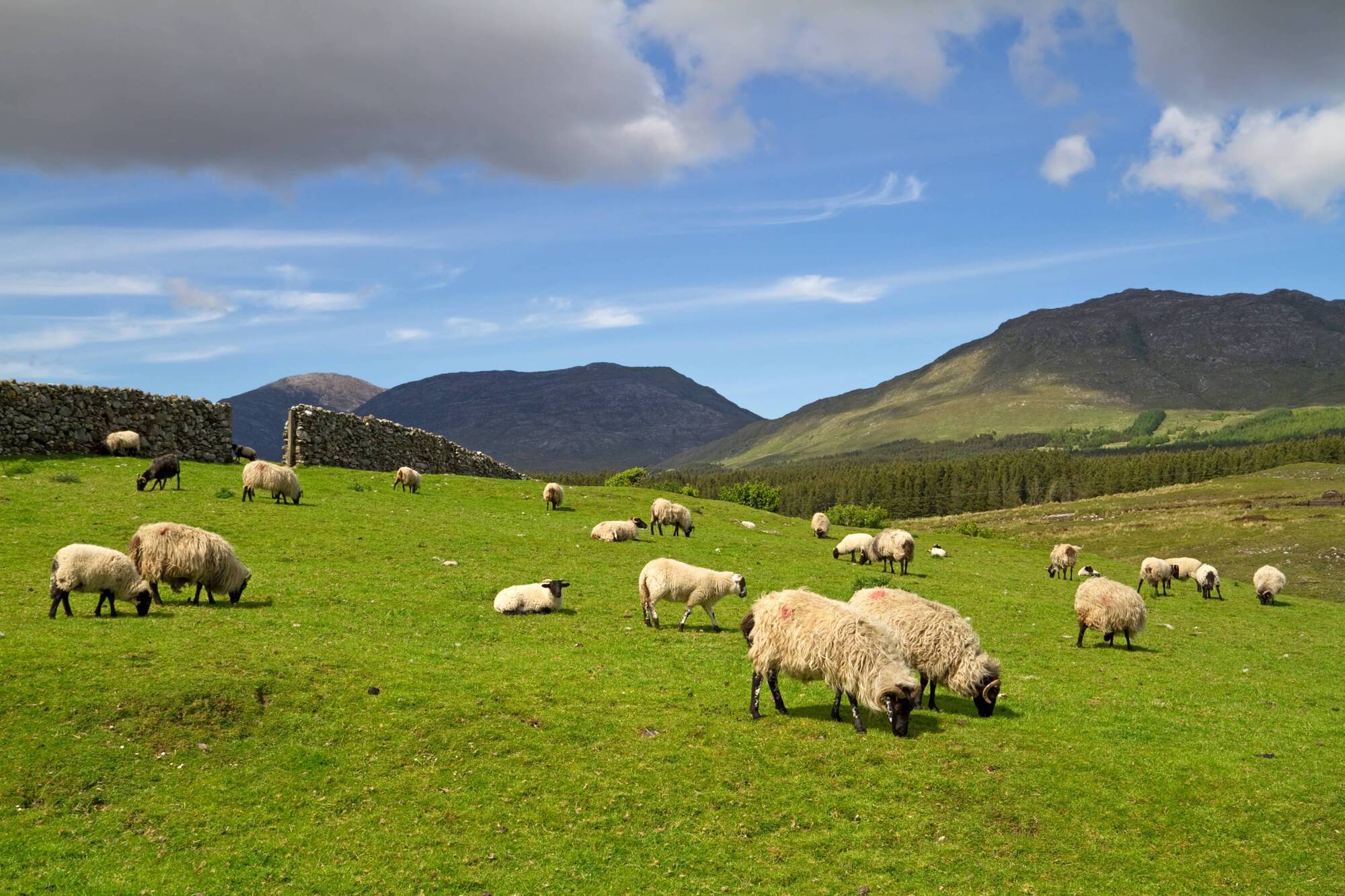
The price has "steadied a little bit" now, Irish Farmers' Association sheep chairman Kevin Comiskey said, however, for the year to date, the association estimates that "over €10m this year to date" has been wiped off sheep farmers' incomes.
Sheep farmers are criticising the Government's "sheer reluctance" to support them, citing Brexit as a key reason their sector is "suffering".
Sheep price has "steadied a little bit" now, Irish Farmers' Association sheep chairman Kevin Comiskey said, however, for the year to date, the association estimates that "probably over €10m" has been wiped off sheep farmers' incomes.
The situation for producers on farms and concerns for their viability as a result of depressed prices and high input costs brought them to protest in recent months.
Mr Comiskey told the that he is "extremely disappointed" this has not resulted in "action to support a sector in crisis" by Government.
The data published by the Department of Agriculture "does not provide conclusive evidence" that the sheep sector in Ireland has "suffered any persistent adverse impact" as a result of the UK's decision to withdraw from the EU, Minister Charlie McConalogue has said.
While there has been a "solid and sustained" increase in average sheep prices since the end of February, Mr McConalogue said he acknowledged that sheep farmers are "experiencing more difficult market conditions in 2023 compared to recent years".
"The Government has no role in determining commodity prices in the sheep sector. However, it is heartening to see that markets are now returning consistently better prices for farmers than at the start of the year," Mr McConalogue said.
According to the department's weekly meat market report, the national average price for Irish sheep during the first week of May was €7.36 per kg, "similar to the prevailing level for the corresponding period in 2022", the minister said.
In February, as part of its campaign, the IFA said that the "income crisis" facing farmers had "reached a critical stage, and requires immediate action from the Government".
Mr Comiskey has highlighted that Teagasc figures showed a cut of income on farms last year of over 80%, to just €7 per ewe, which included the Sheep Welfare Scheme payment.
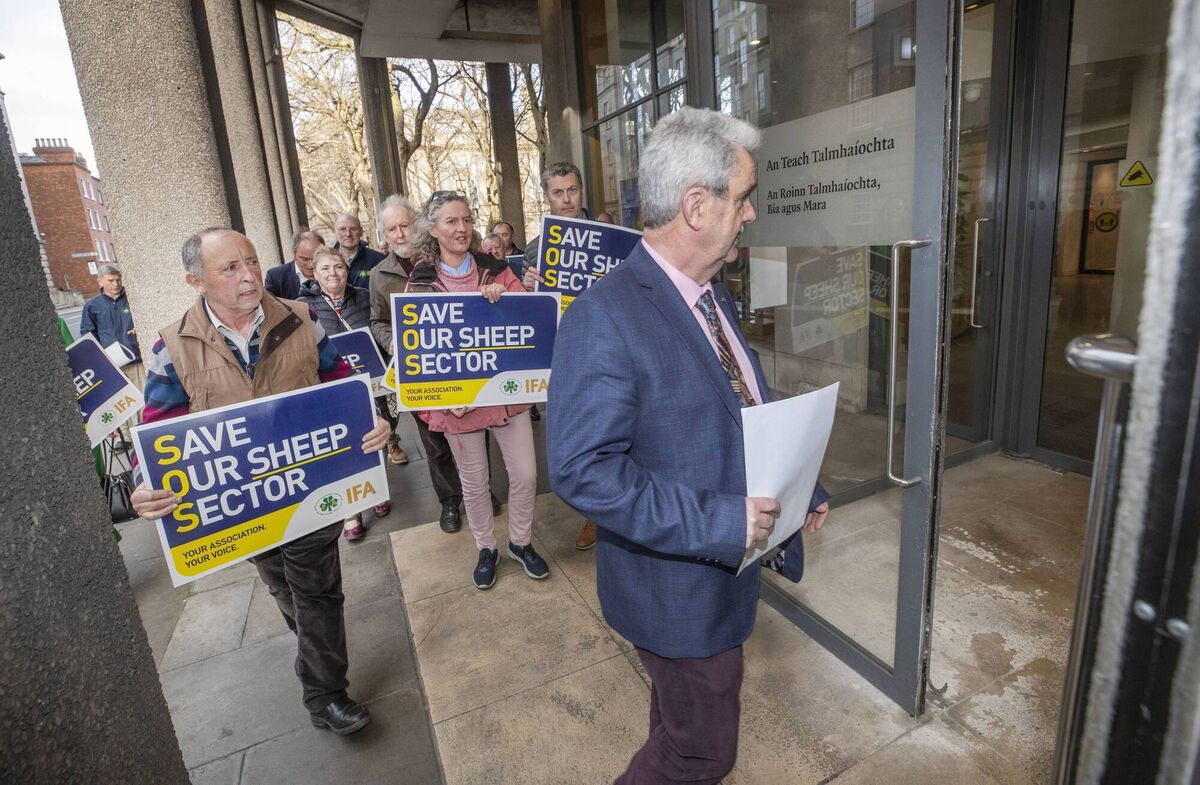
IFA made a case to the minister to provide targeted support of €30 per ewe to sheep farmers by building on the supports already announced in the Sheep Improvement Scheme of €12 per ewe for this year.
The IFA, along with other farm organisations, has cited Brexit as one of the main risks to the Irish sheep sector.
This, according to the Irish Natura and Hill Farmers Association, is because it is "significantly increasing lamb imports into the UK from New Zealand and other countries".
"This is forcing more competition in our markets in Europe and is having a significant impact on the Irish sheep industry," the association said.
Farm organisations have been calling on Mr McConalogue to make a case for funding from the Brexit Adjustment Reserve fund to support the sector.
This fund, established by the EU Commission, provides financial support to the most affected member states to counter the adverse economic, social, territorial, and, where appropriate, environmental consequences of the withdrawal of the UK from the EU.
Independent TD Michael Lowry asked the minister if he will direct his department officials to develop a case study for the provision of financial support through this fund, "given that the sheep sector is one of the most affected sectors as a result of the UK's withdrawal from the EU".
Mr McConalogue said that expenditure under this "must demonstrate a direct link to the negative impact of the withdrawal of the UK from the EU, and failure to do so will see the European Commission deem expenditure ineligible".
"The sheep meat price data published by my department does not provide conclusive evidence that the sector has suffered any persistent adverse impact as a result of the UK's decision to withdraw from the EU - in fact, the overall price trend has been predominantly positive for primary producers during that period," Mr McConalogue said.
He added that in light of the current challenges facing the sector, "my officials are closely monitoring the sheep market situation and the Government will continue to make every effort to support the sector".