Sugar could become scarce as crop area shrinks
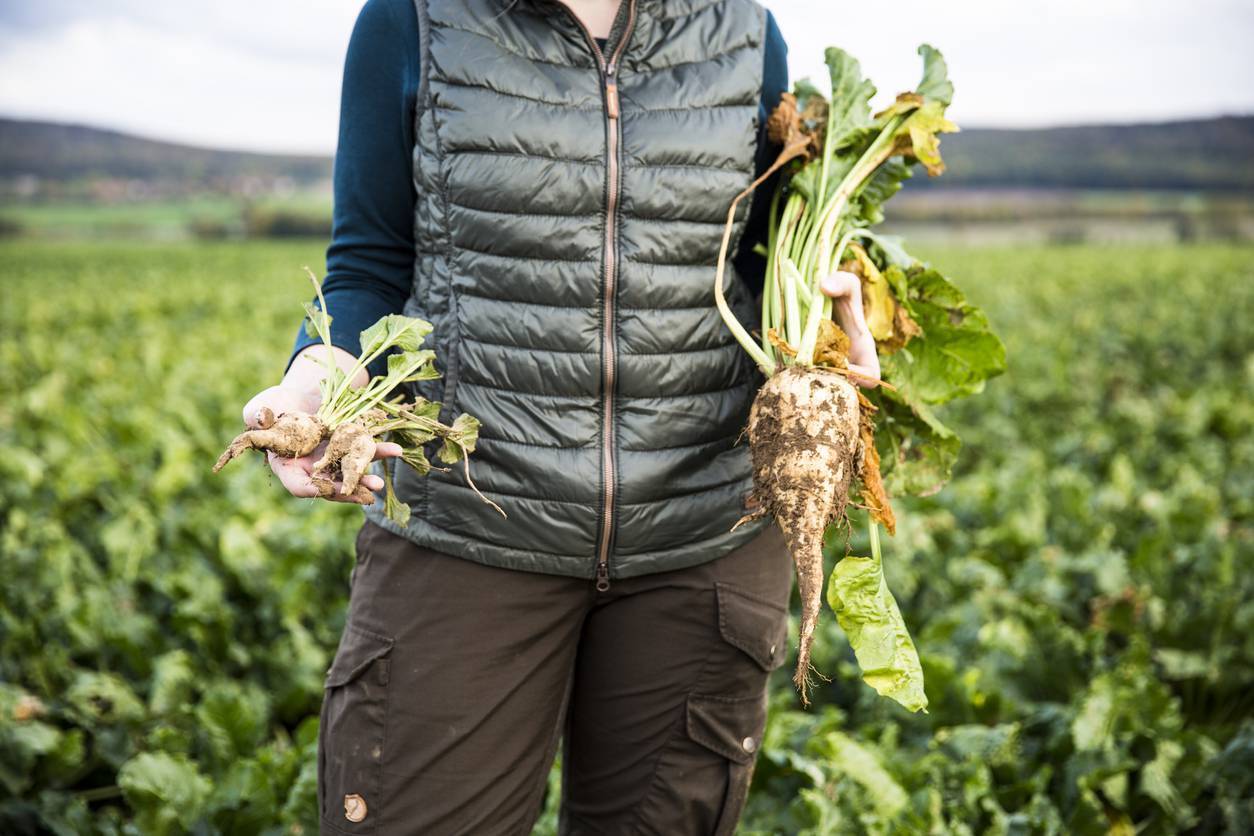
Home-grown EU sugar is likely to shrink even further, as the EU's Farm to Fork and Biodiversity Strategies kick in, towards 2030.
Could sugar be one of the sweet spots at the centre of Europe's runaway food price inflation?
Governments are meeting across the continent with retailers, processors and farmers, to investigate why high food prices are pushing the rate of general inflation, creating difficulties for economies.
Since 2020, the more than 80% price increase for sugar has been one of the highest food price rises in the EU.
Sugar is usually a cheap ingredient in almost everything we eat or drink. Now it is at an extraordinarily high price level, and it may be one of the main factors behind high prices for food in general.
EU leaders are partly to blame because their actions have reduced European sugar production.
They ended the EU sugar quota system in 2017, which pushed the sugar sector into crisis, with the beet acreage shrinking 12%, by 200,000 hectares and 15 processing plants closing.
According to the European Association of Sugar Manufacturers, EU sugar industry employment has fallen 16% since the quota ended in 2017.
But worse was to come from Brussels for the sugar industry.
In December 2013, EU leaders prohibited the use of three neonicotinoid pesticides in order to protect honeybees. In May 2018, they further restricted the use of neonicotinoids, allowing them only in permanent greenhouses.
EU farmers, already hit by the quota system ending, have responded by reducing their sugar beet acreage every year since 2017.
They had depended on neonicotinoids to contain the attacks of aphids that spread the beet yellow virus, which can cause dramatic sugar beet yield losses (as much as 50%). Severe attacks damaged European crops in 2020.
Since 2018, about 15 Member States have requested 74 emergency derogations for neonicotinoid use, for which over 50% was in sugar beet crops.
But in 2022, the European Court of Justice brought down the shutters by ruling against the possibility for Member States to grant temporary emergency authorisations for use of the banned neonicotinoids.
In France, Europe's biggest sugar beet grower, farmers are turning their backs on beet and opting for other crops.
A new study by the US Department of Agriculture describes these EU sugar market trends, but also reveals a myriad number of other developments which could be affecting the sugar supply and price.
For example, last year, the severe summer drought in many beet-producing EU regions added to the sugar under-supply.
The unprecedented surge in energy costs exacerbated by the Russian invasion of Ukraine led many EU sugar processors to shorten their operating seasons, but at the risk of smaller output. The invasion pushed up cost at every step from beet fields to consumers, more than doubling the EU sugar cost of production, according to the USDA.
Inevitably, the EU sugar price rose, pushed by tight global sugar supplies, which drove prices to 11-year highs.
Brexit also affected the EU sugar market, according to the USDA. After Brexit became final on December 31, 2020, EU sugar imports from the UK almost stopped, except for some imports into Ireland. Import from the UK of sugar made from non-EU cane was also ruled out by Brexit.
In stark contrast, EU sugar exports to the UK fully recovered after a Brexit stutter in January 2021.
With Brexit, the UK has become a new competitor with the EU for sugar imports from regions such as Africa, the Caribbean, and Pacific areas. The EU had to spread the net wider for imports, and supply also benefits from an influx of sugar from Ukraine, as part of the EU's aid for the besieged eastern country.
Meanwhile, EU-27 sugar consumption is forecast stable, but EU sugar exports are running significantly lower (down 26%), due to reduced supply.
In the EU, the shortfall in sugar production led to rationing in shops in Hungary and Poland last year.
The USDA said the low availability of sugar, and of sugar alternatives, such as isoglucose, has put many EU food processors at risk. Both the Association of Chocolate, Biscuit and Confectionery Industries of Europe and the National Confectioners Association in the USA have called on the European Commission and the US Government for additional duty-free sugar market access.
However, that may not bring much relief in the EU, because Brussels has ruled out the EU importing any products containing residues of two neonicotinoid pesticides that it banned for its own farmers.
And home-grown EU sugar is likely to shrink even further, as the EU's Farm to Fork and Biodiversity Strategies kick in, towards 2030. These strategies target a 50% reduction in pesticide use, a 20% reduction in fertiliser use, a 50% reduction in nutrient leakage in groundwater, 25% of agricultural land to be used for organic farming, 10% of land set aside for environmental areas, and an increase in nature conservation areas by 30%.
Along the way to 2030, sugar could become an even more scarce and expensive commodity in the EU, if unfavourable weather or yellow virus hits the beet crop.