Ray Ryan: A focus on biodiversity means some of the old ways are still relevant
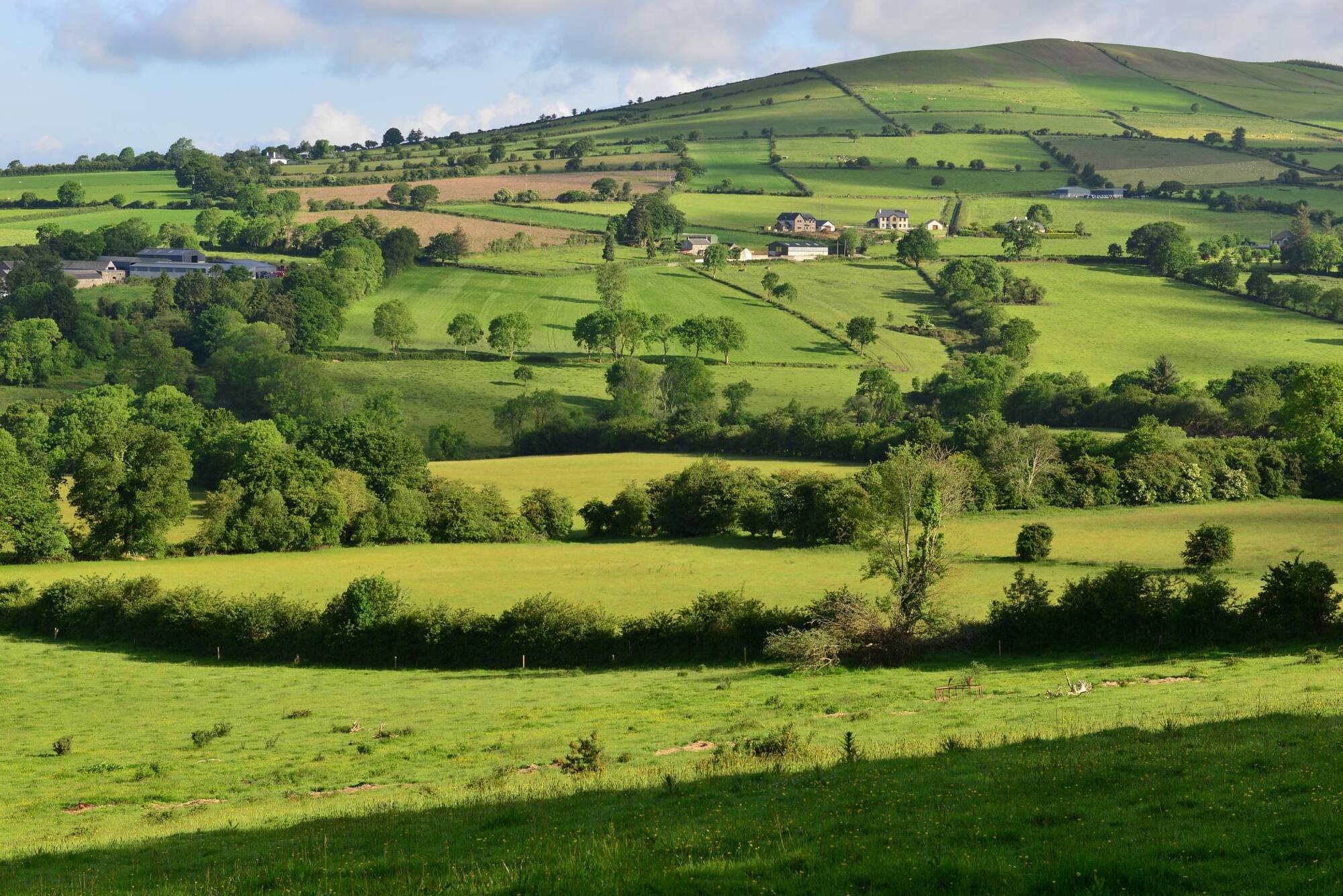
Every parish had a network of people with an inherited knowledge which they shared with each other. Advice was often sought about folk medicines for sick animals, what vegetables should be planted in damp soil and where to set a row of sheltering trees.
FARMERS in today’s high-tech society are only the click of a computer mouse away from accessing advice on any aspect of their work.
But that was not the case in previous generations when there was no Google, Teagasc, Green Certs, discussion groups, farm walks, or webinars.
And yet those who produced quality food and cared for the countryside, showed great ingenuity in what they did.
They made maximum use of their resources, respected nature, and were self-sufficient before the term became popular. They ate what they grew, wore what they wove, and sold what they could spare.
While often poor in material wealth by latter-day standards, they possessed a wide range of basic skills for farming, which is nowadays largely guided by agricultural science and dependent on complex technology.
Every parish had a network of people with an inherited knowledge that they shared with each other.
Advice was often sought about folk medicines for sick animals, what vegetables should be planted in damp soil, and where to set a row of sheltering trees.
Food was never wasted. Hob lawyers gave advice on disputes between neighbouring farmers about bounds ditches and trespassing cattle.
And there was no shortage of people whose weather predictions often dictated whether a farmer should cut a meadow of hay or mend a fence on any given day.
Mechanisation, rural electrification, television, growth in agricultural education, and advisory services followed.
And so did the consumer society and membership of what is now the European Union, which changed rural life, mostly for the better.
Yet, some of the old ways are still relevant with a renewed focus on biodiversity, sustainability, and the natural health of the countryside.
Farming For Nature (FFN) says there is widespread awareness of the environmental damage that can be caused by the wrong type of farming.
“We hear about it all the time,” it says. “There isn’t as much discussion of those that are doing a great job farming for nature, about the positive stories, meaning we don’t have many good role models.
“Encouraging farmers to feel that they are part of the solution, not just the problem, is the first step in a long journey which will require a lot of financial and technical support, new partnerships and new visions.”
FFN is an independent initiative hosted by the Burrenbeo Trust and funded by the National Parks and Wildlife Service, the Department of Agriculture, Food and Marine, and An Bord Bia.
It seeks to acknowledge and support those farmers who farm, or wish to farm, in a way that will improve the natural health of the countryside.
The project is open for 2023 applications until June 10. It will shortlist up to 50 applications, depending on the interest and capacity.
Brigid Barry, co-ordinator, said many farmers request a fellow farmer to visit and provide practical tips on what they can do to improve the environmental condition of their land while continuing to farm alongside nature.
The farmer pays a nominal fee of €50 to the visiting mentor and FFN covers the rest.
Some 50 farms will be chosen this year to partake in the project with a view to expanding it into the future.
Sligo farmer Niamh Doody, one of those who availed of the service last year, found it a rewarding experience.
“It was a great visit. Our mentor was like a walking encyclopedia. I have never had anyone come to visit the farm and give new ideas before. It was an enlightenment,” she said.
The mentors listed for this year include Thomas and Claire O Connor, who manage a 25-acre mixed organic farm in Gleann na Gealt, Camp, Co Kerry.
They produce vegetables, salads, wheatgrass, meat, poultry, and eggs, which they sell locally in their Tralee shop. They have 15 acres of native Irish woodland and four acres of permaculture including fruit trees.
Another mentor, Suzanna Crampton, Bennetts Bridge, Co Kilkenny, has species-rich meadows and pastures, as well as woodlands, parkland, and numerous stand-alone mature trees which form a haven for local wildlife.
She farms 12 acres on which she has 30 ewes and followers. They have access to a mixed sward with 17 different species of grasses.
Suzanna practices regenerative agriculture with a rare breed of sheep that is triflective (milk, meat, fleece). She designs blankets from her award-winning wool.
The farm has herb-rich grazing for the sheep. Mature hedges add more habitat diversity for native plants, insects, and birds. A decades-old traditional orchard provides bountiful fruit.
Irish organic farming pioneer Michael Hickey, another listed mentor, farms for nature near New Inn, Co Tipperary.
He manages half of his 100-acre organic farm for tillage and the rest for his herd of 40 Aberdeen Angus cattle and horses.
The farm has a variety of habitats including seasonally flooded grasslands, fen areas, pastures, and meadows. He has given 30% of his farm over to habitats.
FFN explains that the programme involves an informal farm walk and a chat with the host farmer to share simple practical advice and given encouragement.
“These farmers are not ecologists but are fellow farmers that are working day in, day out in situations that have an abundance of wildlife and plant life without impacting their farming systems,” it says.
In many ways, programme reflects how farming knowledge was shared locally generations ago. The title is apt. It means the advice given is straight from a reliable source.