North Kerry one of Ireland's worst clusters for BVD cases
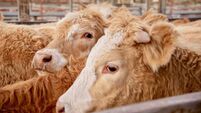
Close up shot of a black and white cow looking at camera, inside the fence farm
North Kerry is among one of the worst clusters of BVD identified, with the Department of Agriculture asking local herd owners to refocus on biosecurity, especially in the breeding season, which is the high-risk period.
Animal Health Ireland publishes monthly maps showing the distribution of BVD positive births, and these show that the eastern half of North Kerry, north of Abbeyfeale, is one of the worst areas affected nationally.
The maps show BVD-positive births for each 10 square kilometre area nationally, and this part of North Kerry has two areas with at least 12 cases, two more with nine to 12 cases, and seven more with one to six cases.
Herd owners are asked to protect their own herds and support the final push toward BVD freedom. Since BVD eradication started in 2013, herd level incidence fell from 11.27% to 0.26% at the end of 2022, more than a forty-fold reduction.
But epidemiological investigations recently identified the emergence of a small number of local clusters of infection, having spread between herds. This is thought to result from the movement of animals, equipment and people, said DAFM officials.
DAFM recommends particular attention to a number of aspects ahead of the breeding season:
- Herds, where the infection has been identified, should engage with the AHI TASAH programme without delay, expedite the removal of all infected cattle, and complete the vaccination programme.
- Herds that were positive in 2022 should complete their 2023 vaccination programme.
- Herds notified of a BVD-positive animal in their neighbourhood (which signals an increased risk to their herd) should seek advice from their veterinary practitioner, to review their biosecurity practices, including vaccination policies, and enhance as necessary.
- The introduction of infection in advance of the breeding season leads to more BVD "reactor" calves born in 2024.
- Wherever possible, cattle up to 120 days pregnant should not graze at boundaries where nose-to-nose contact with other cattle is feasible.
- Purchased cattle (or those returning from sales, shows or contract rearing) and other introduced cattle should be held in a quarantine facility (building or paddock) for at least 28 days. Pregnant animals should have their calves tested promptly and kept away from other pregnant animals until tested negative.
- Those coming onto farms, including employees, relief workers, professional visitors (vet, AI, milk recorder, hoof trimmer etc.), including the farmer, should wear farm-specific boots and clothing, or take steps to ensure that adequate cleaning and disinfection procedures are followed.
- Movement or sharing of equipment should be avoided where possible. Otherwise, these should be thoroughly cleaned and disinfected before use.
While vaccination will not prevent the entry of BVD virus onto a farm (or IBR or Lepto), it can minimise the impact of accidental introduction.
Herds that have not yet completed calving in 2023, in localities with BVD "reactors" are at particular risk of infection. In these herds, tagging and testing promptly, and a review of biosecurity, are recommended.