EU law to ban import of deforestation-linked produce
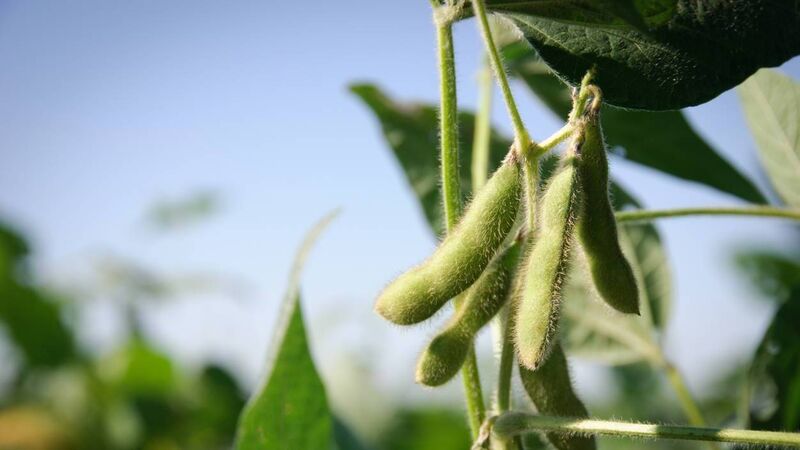
In 2021, Ireland imported around €1.5bn of livestock feed, including around 508,000 tonnes of maize from Brazil and a million tonnes of soybean meal from Argentina.
New rules set in Brussels will ban the importation of goods, such as soya, connected with deforestation in a bid to fight global deforestation, climate change and biodiversity loss.
Passed with overwhelming support, with 552 votes in favour, 44 against, and 43 abstentions, the new law covers cattle, cocoa, coffee, palm oil, soya, wood, rubber, charcoal and printed paper products, and obliges companies to ensure products sold in the EU have not led to deforestation and forest degradation.
An area larger than the EU was lost to deforestation between 1990 and 2020, with EU consumption accounting for around 10% of this.
In 2021, Ireland imported around €1.5bn of livestock feed, including around 508,000 tonnes of maize from Brazil and a million tonnes of soybean meal from Argentina, where these crops are widely associated with deforestation of rainforest.
While no specific country or commodity will be banned, companies will only be allowed to sell products in the EU if the supplier of the product has issued a so-called “due diligence” statement confirming that the product does not come from deforested land or has led to forest degradation, including of irreplaceable primary forests, after December 31, 2020.
Firms will also have to verify products comply with human rights legislation in the country of production, and that the rights of affected indigenous people have been respected.
The frequency of checks to be performed on operators will be based on the country’s risk level, with the commission to classify countries and regions as "low", "standard" or "high-risk" based on an objective and transparent assessment within 18 months of this the new law coming into force.
EU authorities will have access to relevant information provided by the companies, such as geolocation coordinates, and conduct checks with the help of satellite monitoring tools and DNA analysis to check where products come from. Firms which fail to comply could face hefty penalties of up to 4% of their annual EU revenue.