Gene-editing approved for use on crops and livestock in England
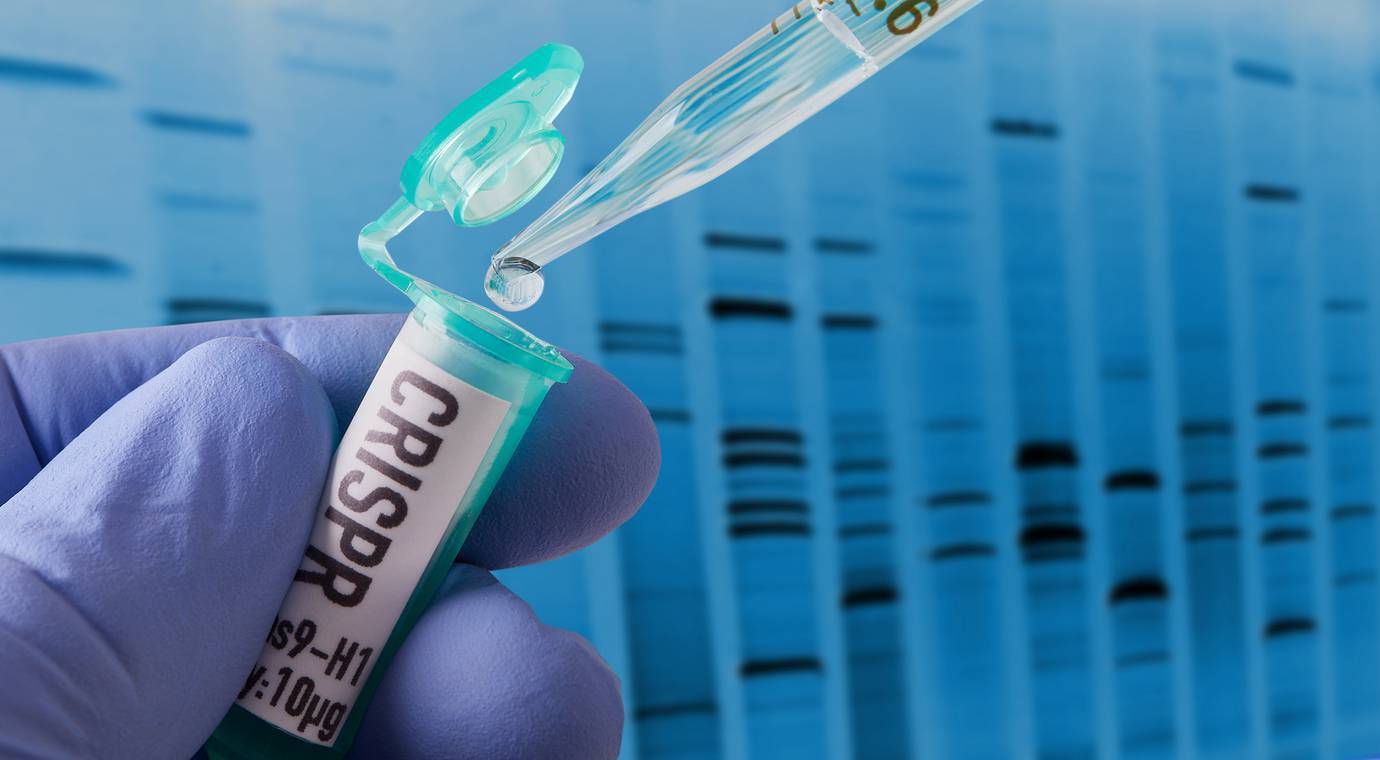
The bill allows techniques such as genome editing, for example, which can shorten the eight to 20-year conventional development of an improved crop to less than four years.
Farmers in England are looking forward to more polled cattle, better crops, and pigs resistant to Porcine Reproductive and Respiratory Syndrome, after the Genetic Technology (Precision Breeding) Act 2023 was passed in Parliament.
It allows techniques such as genome editing, for example, which can shorten the eight to 20-year conventional development of an improved crop to less than four years.
Grasses with higher fat content, to improve animal feed while suppressing methane emissions from livestock, are also targeted by geneticists.
Genome editing could also be used to remove unwanted genes for allergens and toxins.
Genome-edited wheat could be quickly bred, with less acrylamide, the "burned-toast" chemical, which can increase the cancer risk for consumers.
In the US, precision breeders are trying to make blackberries and cherries without seeds or stones.
Allowing the use of gene-edited crops and livestock in English agriculture for the first time, precision breeding is the latest example of the UK going its own way after Brexit. It is not yet allowed in the European Union, although it is one of the topics in an EU debate on new breeding legislation, which has continued for some years.
The passing of the act was welcomed by the UK’s agri-supply trade association, the Agricultural Industries Confederation (AIC). The Act was also supported by farmer groups such as the National Farmers’ Union and the National Pig Association.
However, the Royal Society for the Prevention of Cruelty to Animals (RSPCA) voiced concerns over the new law, saying there is no history of safe and reliable use of precision breeding.
Compassion in World Farming said gene editing should not be used to make farm animals more resistant to what CIWF asserts are the health effects of intensive farming methods.
The new law in England has removed precision-bred plants and animals from the regulatory requirements applicable to genetically modified organisms (GMOs). Unlike precision breeding, genetic modification involves DNA from one species inserted into another.
With traditional breeding, a desirable trait is replicated naturally. The new law allows the acceleration of this process with the help of genome editing. By definition, precision-bred varieties must be the same as those that could be reached by traditional breeding.
Precision breeding has been hailed by scientists as a major breakthrough in the modernisation of English agriculture.
“This is an important time for agricultural science," said Gideon Henderson, Chief Scientific Adviser at the UK's Department for Environment Food and Rural Affairs.
The Act’s new measures will be rolled out first for crops and then for livestock, once appropriate food standards and welfare regulations are in place.