Food and Fodder Security Committee issues sector-by-sector advice
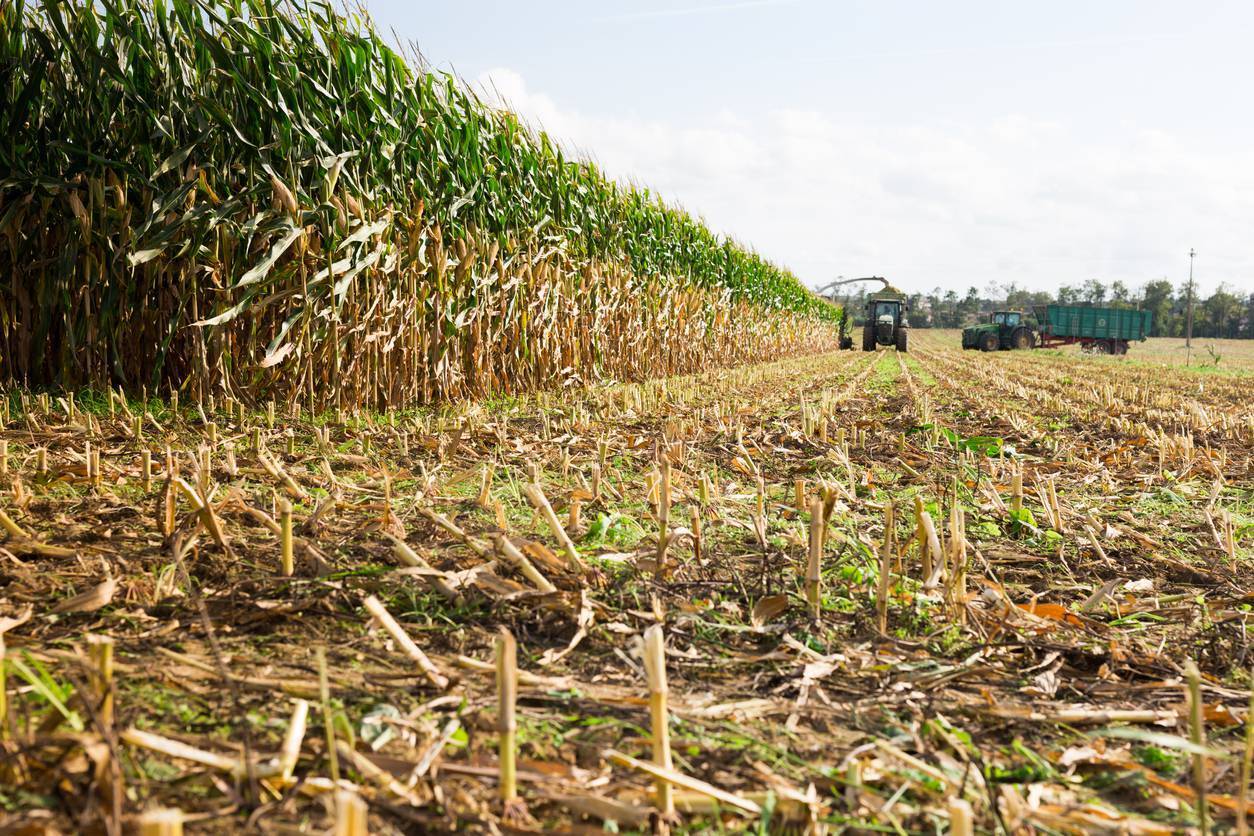
The National Food and Fodder Security Committee has urged farmers to prioritise winter fodder production.
The National Food and Fodder Security Committee has urged farmers to prioritise winter fodder production.
Nitrogen fertiliser use fell by 14% in Ireland in 2022, while phosphorus (P) and potassium (K) applications declined by 24% and 26%, respectively, Mark Plunkett, Teagasc Soil and Plant Nutrition Specialist told the latest meeting of Fertiliser Sub-group of the National Food and Fodder Security Committee (NFFSC).
Although lime usage increased by 290,000 tonnes in the collective years of 2013 to 2022 when compared to 2003 and 2012 (inclusive), rising to 990,000 tonnes, a reversal has been witnessed in the number of soils with good overall soil fertility – classified as being at a soil pH >6.2 and being index 3 or 4 for P and K.
Given that 80% of soils in Ireland had inadequate levels of soil fertility in 2022, Mr Plunkett explained that there is considerable scope to improve nitrogen use efficiency by correcting soil pH, P and K levels.
The tillage sector faces challenges this spring, with the yield and profitability of many crops likely to be reduced this year, according to Teagasc Crops Specialist Shay Phelan. With significantly lower grain prices available, growers need to be realistic about what they can spend on their crops in 2023.
Organic manures, where available, offer a cheaper source of nutrition for crops and allowances must be made, when they are used, in the amount of chemical fertiliser applied. In addition to this, protected urea is still better value than CAN where it can be incorporated successfully into a fertiliser programme.
In addition to late sowing of spring crops, many winter crops have been affected by weather conditions and have a limited potential to yield due to poor establishment and late fertilisation.
Grass grown this year, as recorded through PastureBase Ireland, has declined by 25% - reaching 910kg Dry Matter per hectare. This decline has largely occurred due to low growth rates in late February, Teagasc Head of Grassland Science Michael O’Donovan explained.
Weather conditions during the month of March resulted in grazing being negatively affected – with grazing days lost on heavy farms, leading to high levels of supplementation where grazing proved challenging.
As we approach mid-April, a decision needs to be made at farm-level on closing silage ground, even paddocks that have not yet been grazed. The latter should provide quality feed if closed early and fertilised.
Although excellent grazing conditions in February promoted early grazing, leading to a significant silage-saving effect in most regions, the situation deteriorated during March and early April, resulting in the rehousing of stock and silage feeding at a time of rising feed demand on many dairy farms.
Although Teagasc advisors report that grass supplies are plentiful, grazing has been much delayed in many counties. On silage reserves, the west and north is reported to be okay, but supplies are very tight in some areas of the east and south, with some farmers – especially those affected by the drought in 2022 - purchasing low-quality silage at high costs.
Rebuilding fodder stocks is essential to reduce the risk of feed supply issues if drought occurs in the summer of 2023.
Although an increased number of beef farmers had stock at grass in February, saving on winter feed supplies, conditions over recent weeks have resulted in many returning indoors, Pearse Kelly, Head of Drystock Knowledge Transfer in Teagasc, outlined.
Highly stocked beef farms that fed silage during the drought last summer are now running very tight on fodder due to wet conditions. However, more typical, lower-stocked beef farms do not currently have an issue with fodder supplies.
Rebuilding fodder reserves across all grassland farms is now a priority for the coming months. Every farm should aim to have a 20% fodder reserve over what would normally be required.