Flying high: From redheads to Clarkson – a day on the farm with Michael O’Leary
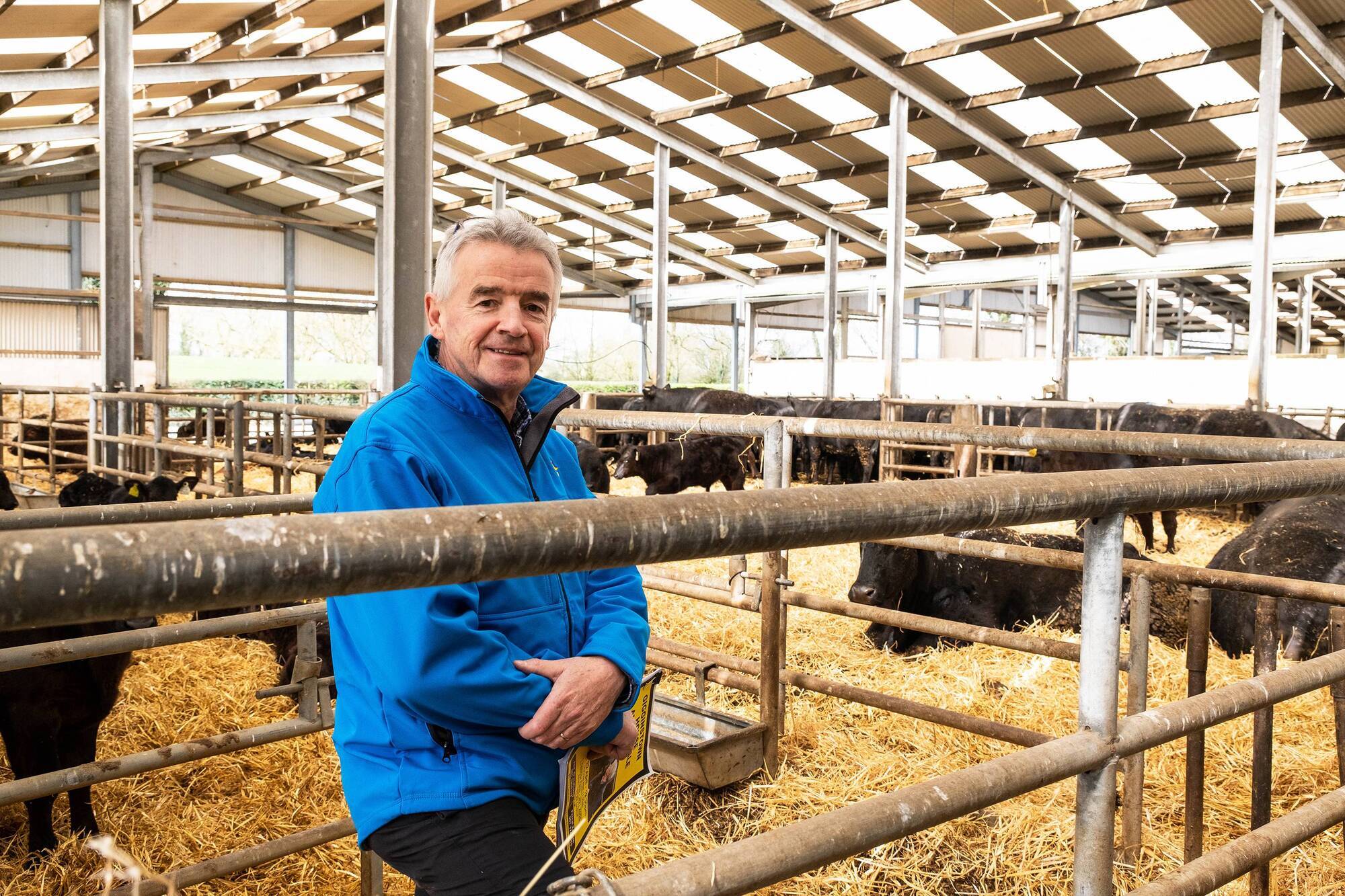
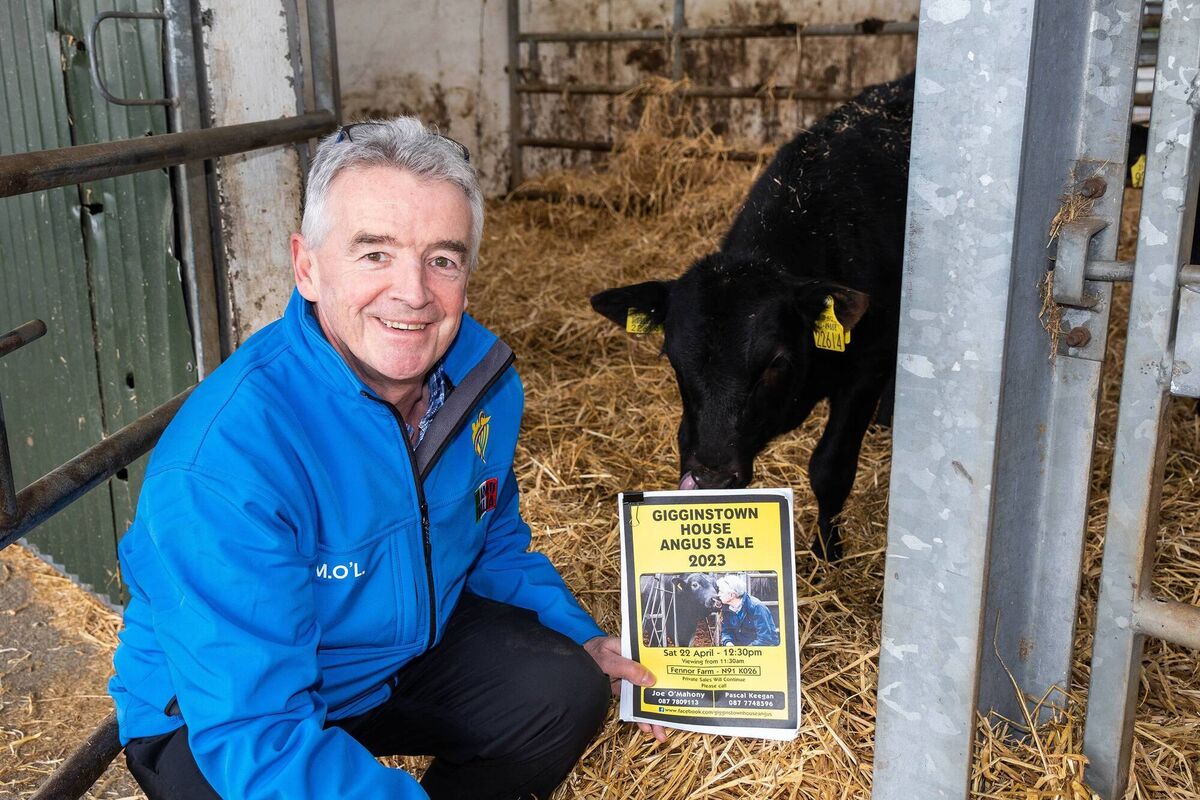
At Michael O'Leary's farm, Fennor, Co. Westmeath. Photo: Bob Morrison
How do you make a small fortune from farming? With a wink, and a wry smile, the wizened and wise at the local mart will tell ye to start with a large one, of course.
But it’s something no one knows better than Ryanair's “misunderstood but beloved” chief executive officer, now turned commercial farmer, Michael O’Leary.
O’Leary will admit himself that there’s been no expense spared on his sprawling 2,200-acre agricultural empire, as the corners of his eyes crease as he animatedly speaks about his passion for all things Angus.
However, the shrewd businessman is continually scheming ways to ensure the commercial viability of the venture – make no mistake, this is no hobby farm.
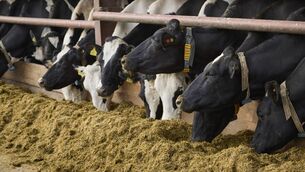
O’Leary founded the Gigginstown House Angus herd in 1997, with the idea that the cattle would follow his bloodstock in grazing the land.
However, he soon realised he was “buying stores when everyone was buying them, and prices were high, and selling them when everyone was selling them, and prices were down”, so he decided to breed his own instead.
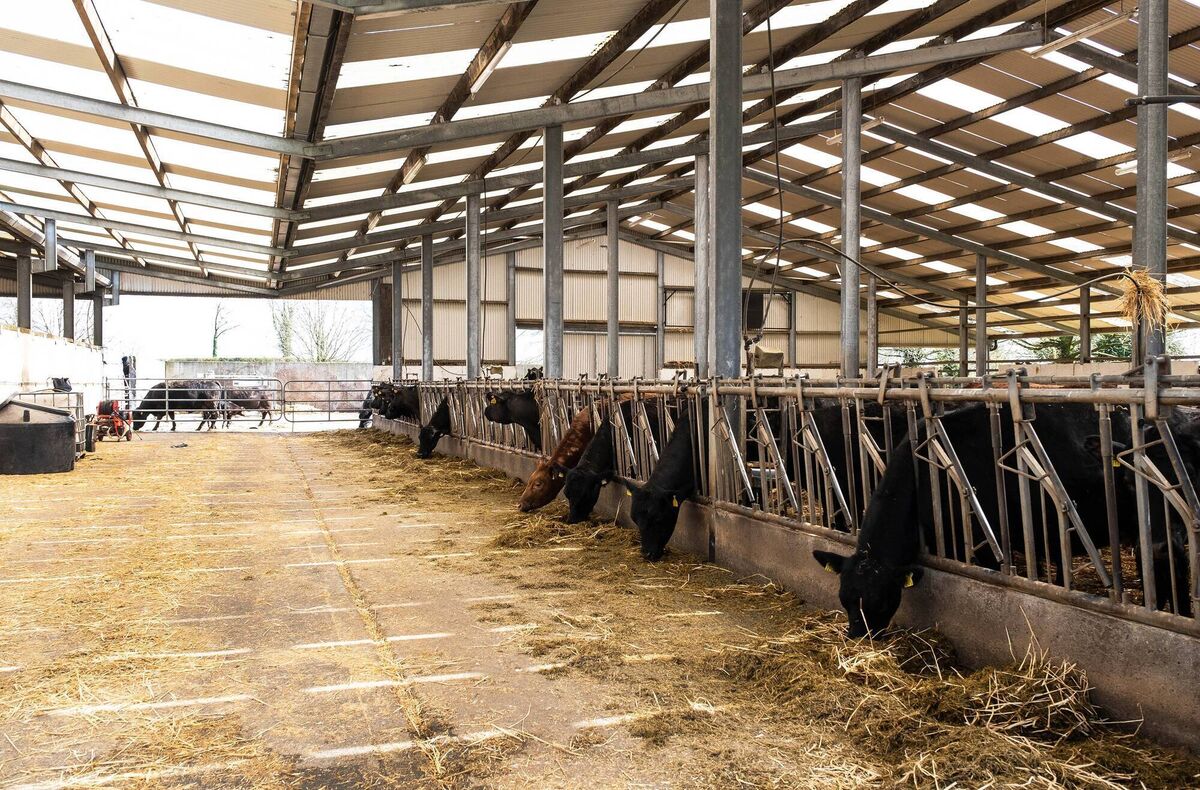
His agricultural enterprise is made up of several units in different areas of the country.
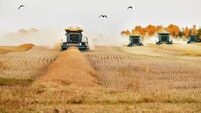
Fennor Farm, in Co Westmeath, which is home to the Gigginstown Angus herd, includes a 120-cow unit on the main farm and an autumn-calving unit around five miles away, near the tillage ground, where winter wheat, winter barley, spring wheat and whole crop silage are also grown for feed for the cattle.
“It’s good land here in Westmeath, and I think we’ve been very fortunate in extending the farm over the last couple of years.
“I extended into tillage because I wanted to produce more of the food for our own herd,” O’Leary told the .
“We buy some supplement and some muesli, and that’s about it - so we are largely self-sufficient here on our own land, producing our own feed and finishing the cattle extensively,” he said.
“It means we have been largely insulated from the rapid rise in prices. Anyone buying grain feed will have really suffered over the last few years.”
The last time the caught up with Mr O’Leary to talk farming, fertiliser prices were rocketing out of control following the invasion of Ukraine, but despite being one of the only Irish farmers with pockets deep enough to buy, he boldly declared ambitions to reduce his fertiliser use to zero – but a year on, just how has he fared?
Aside from P and K, now the silage ground is the only land which gets chemical fertiliser.
Farmyard manure from the herd is spread on the cereal ground, while grazing ground gets enough P and K to balance their nutrients and perhaps 20-30 units of N in the spring as needed.
But O’Leary acknowledges that what’s working for him won’t necessarily be appropriate for other farmers.
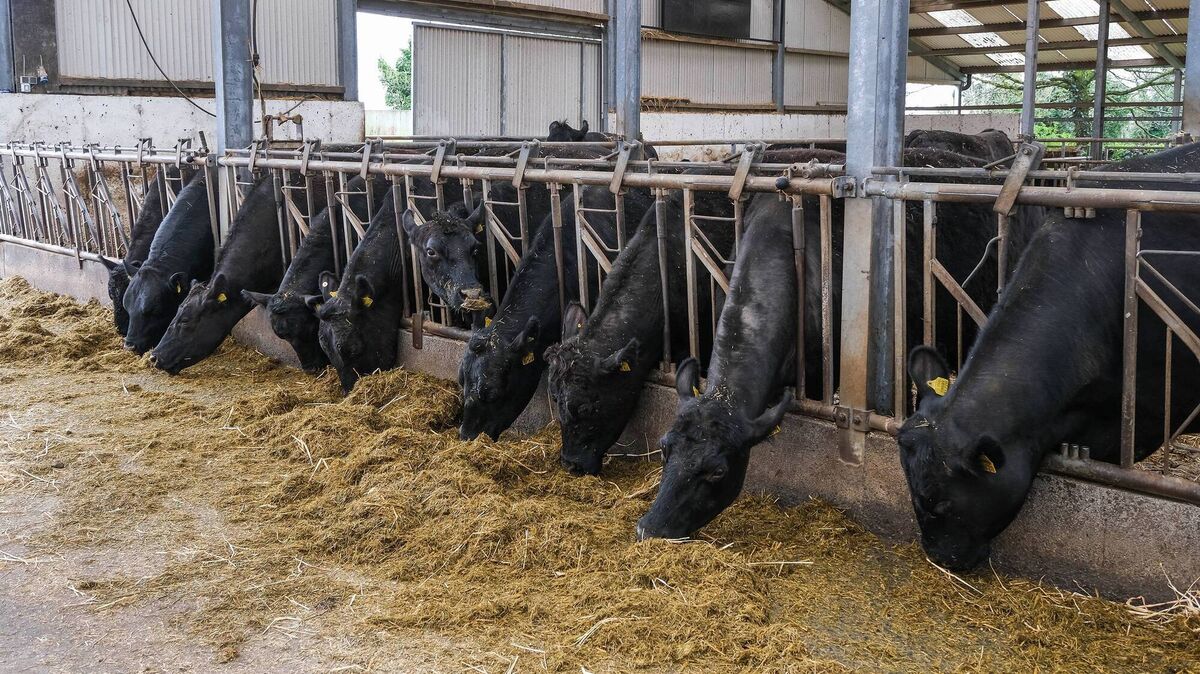
“Our stocking rate allows us to do that,” he said. “We house all the cattle for six months in the winter, and the advantage we have is that the resulting FYM [farmyard manure] is spread on the land as well.
“The amount of land has probably doubled in the last five years, but the amount of fertiliser we have used has reduced by about 60% - and a lot of that is because the herd itself has grown.
“We use mostly our own FYM, from between 400-500 cattle, and we also bring in some pig slurry from neighbouring farmers here. I think it has been one of the big success stories here.
“Ultimately, we want to get completely circular and self-sustaining, and I think we are well on our way to that. We are spreading more lime on the land than fertiliser these days.” On one of his other farms, he is also experimenting with a mushroom-based alternative to fertiliser imported from France.
“It seems to be working well, but we need about four more years – you need about a five-year cycle to determine whether it works better,” he said. “It’s about 50% more expensive, but you need to put on around 50% less.”
Within Ryanair, the arduous task of being O’Leary’s right-hand man was marketed as the “worst job in Ireland” – but the main man on the farm, manager Joe O’Mahony, says he wouldn’t have lasted 21 years if they couldn’t see eye-to-eye.
“It was a good fit, I suppose,” said Joe, who is originally from Drimoleague, Co Cork. “I had probably 20 years of farm managing experience at that stage, and Michael was in expansion mode. We started with around 30 Canadian cows, around 30 acres here and 200 in Gigginstown, and as the years went by, the herd was expanded and the farm was expanded.”
And how does he handle his infamous boss’s eccentric notions?
“We know each other well at this stage,” he laughs. “He knows what he wants, and any businessman is the same. But I like him; it’s a fantastic place to work.”
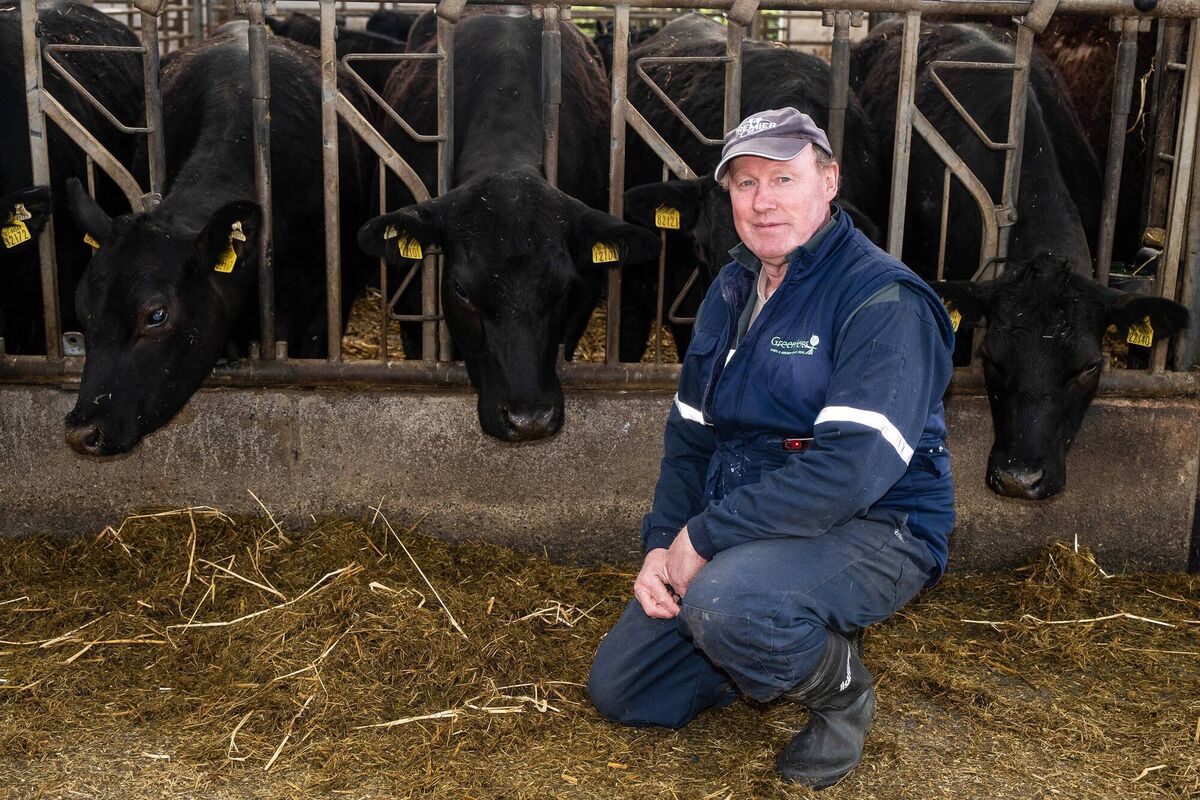
The day of our visit, the team are in the thick of clearing out the sheds where the sale will take place next week. The wet March and April have meant the herd is later getting out to grass, so there’s still a lot of work to be done.
Taking a few minutes away from the action, Joe says he is constantly on the lookout for what the market is demanding.
"First of all, you’re seeing what sires are performing well at sales and shows, and then you’re looking for something that will suit our own cows,” he said.
“Our customers really drive the whole thing; the customers tell us what kind of bulls or heifers they want to buy, and from there, we try to get livestock to suit."
He believes the Angus breed is well poised for the future because of its ability to breed better dairy-cross calves, with short gestations and calves better suited for beef production.
“At the moment, through ICBF, they are looking for a smaller Angus than we used to have, so obviously, our stock bulls are now reflecting that, so we follow the market.”
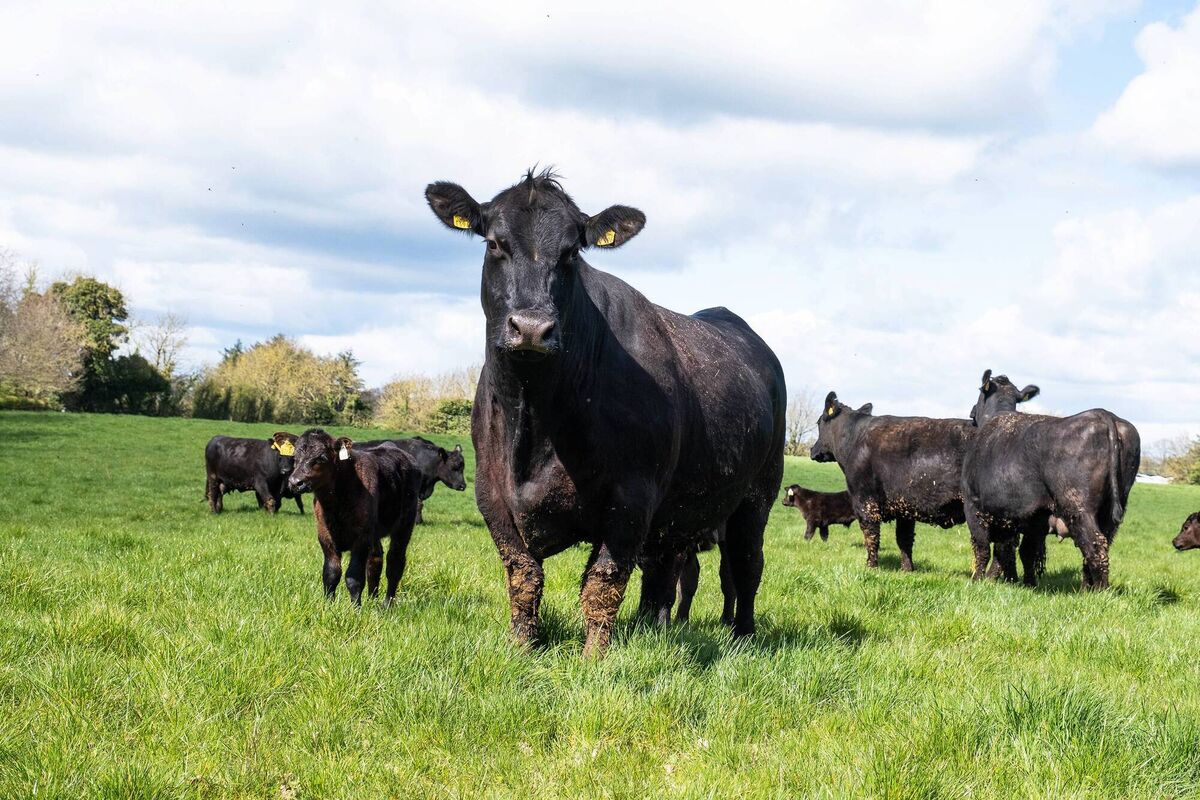
There are some exciting lines emerging already, with a dash of red to be spotted among the black stuff.
Prices were strong last year at the sale, with a 100% clearance rate. The top price of a heifer topped €7,000, while the leading bull fetched €6,000.
O’Leary explains: “Remarkably, both were reds – we had one red bull and one red heifer in the sale.
“Of course, I don’t see the attraction myself. I grew up with two red-headed sisters, so I’m traumatised by redheads,” he joked.
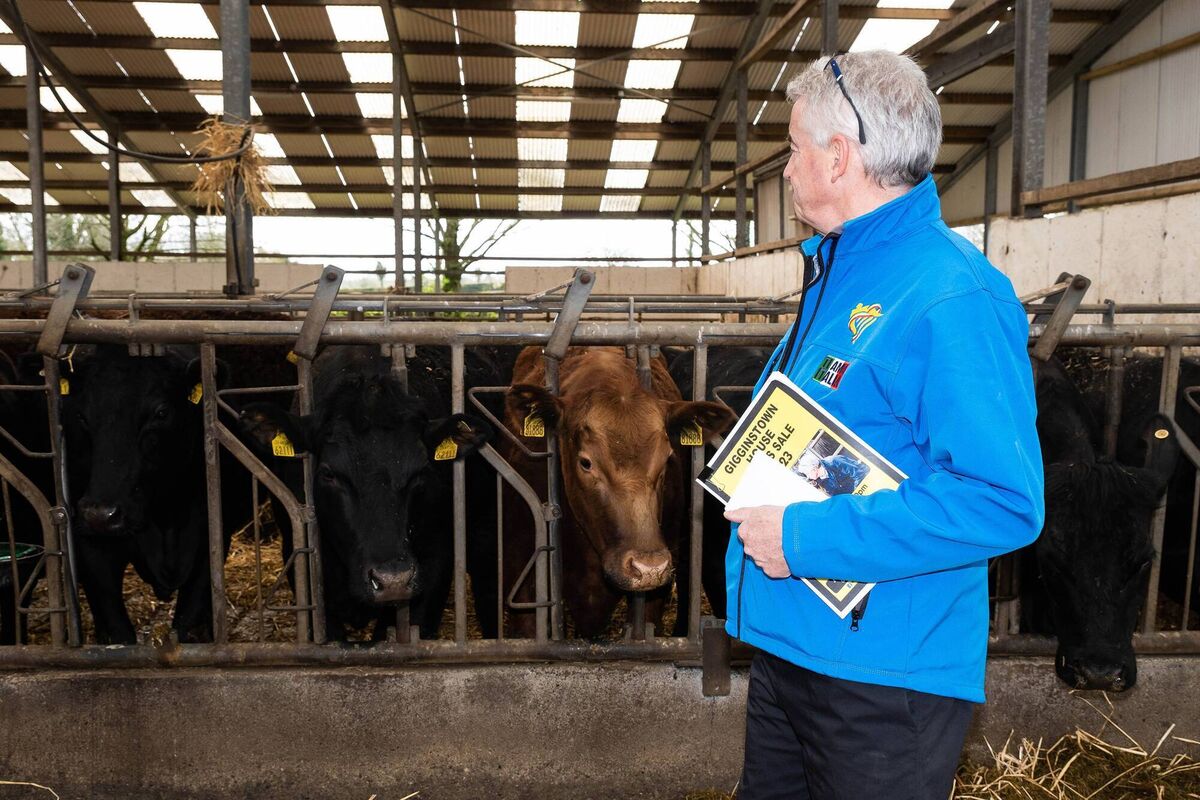
“The market developed itself,” adds Joe. “There was a red gene in some of the bulls, and we started getting some reds,” he says, pointing out a red heifer he says was sired by a black bull and out of a black dam.
“Then people started asking about them. Now, as a result, we have a couple of red at the sale every year.”
The other talking point this year is, of course, O’Leary’s big recent purchase – a €170,000 splurge in 21 pedigree Angus cattle from the world-renowned Shadwell Aberdeen Angus Herd.
The herd was dispersed at Skipton Market in May following the untimely passing of Sheikh Hamdan Al Maktoum in 2021.
Joe successfully purchased 21 of the 94 cattle on sale, including Shadwell’s young stock bull, the Perth champion Stouphill Master Prince W346, and three champion in-calf heifers - Shadwell Black Bird (cost £11,506), Shadwell Evora (£15,750) and Shadwell Lady Heather (£12,600).
“’Twas a balancing act to see what you could buy,” Joe said. “Number 1, these types of cattle weren’t going to come up for sale here, so I went over to see them beforehand.
“I was going for cows with a heifer calf at foot; if I couldn’t get that, it was an in-calf heifer, and lastly, it was a few select maiden heifers.
“But as you went to the maiden heifers, the trade got hotter, so I was very lucky I’d a lot of them bought before we got to that stage and had picked out what we thought would suit here best.”
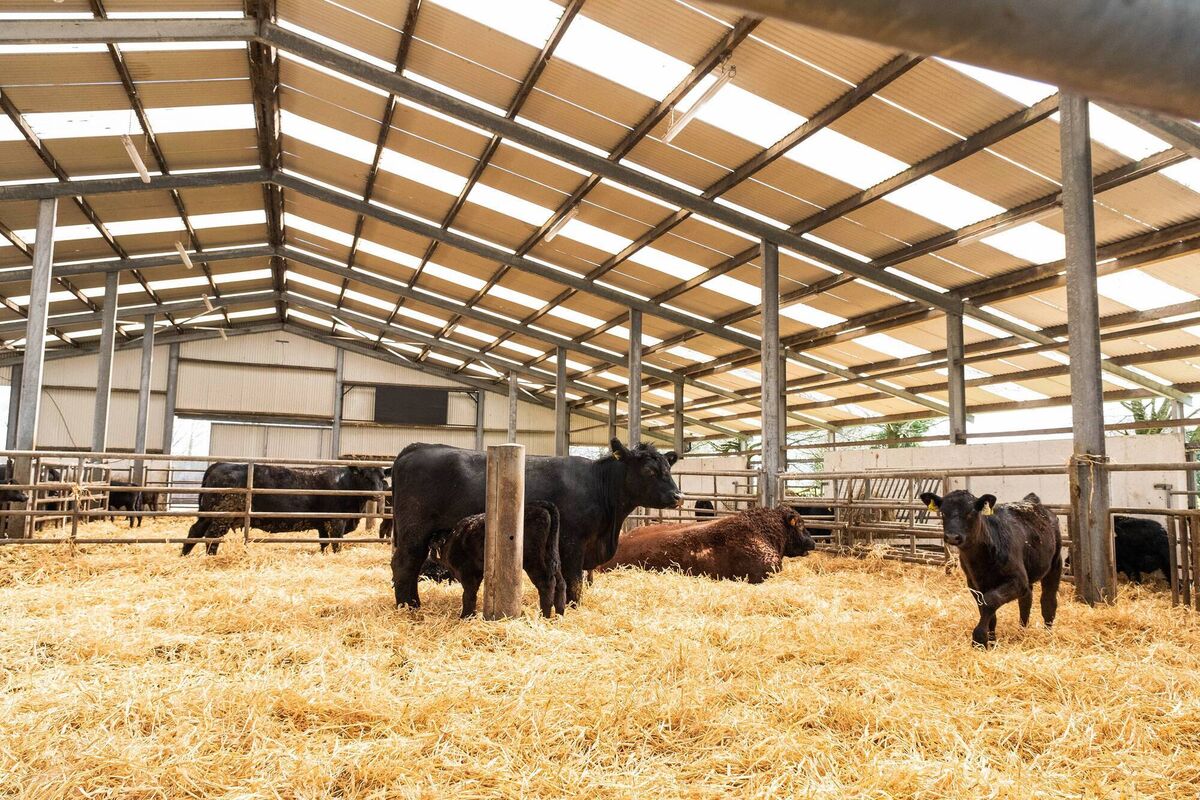
Although it’s too early for the Shadwell progeny of the purchases from Sheikh Hamdan Al Maktoum’s herd to hit the sale – prospective buyers will have to wait until next year’s sale for that - Stouphill Master Prince W346, now Gigginstown’s new star stock bull will be on show.
“It means that those who want to invest in the show-type cattle have access to those genetics now, as opposed to our traditional customer, who would just commercial - we produce a good breeding bull for suckling or a good bull for dairying that are reasonably easily calving and produce a very saleable calf,” Joe said.
“It’s very rare you would get the opportunity to buy that kind of pedigree in those kinds of numbers,” O’Leary adds.
But with the new Brexit rules, bringing the 21 Shadwell cattle home from the sale was a more challenging feat and involved a six-week process, including a stint quarantining in Ayrshire and an official vet overseeing the old English identification tags being removed and replaced with Irish tags.
“I think we were very fortunate to bring them home when we did,” O’Leary said. “I’m not even sure we could do it now.
“Another of the many downsides of Brexit,” he resigns. Before, quickly adding: “The only upside of Brexit was the restoration of duty-free on flights to and from the UK.” Never a sales opportunity overlooked… Most of the cows have calved down by now, he explains. “They are a very nice bunch of calves – and we have Stouphill Master Prince running with our maiden heifers, so we’ll have the first of his calves on the ground this time next year,” he said.
So now, with top genetics and the farm almost fully self-sufficient, what are O’Leary’s sights on next?
“The farm is probably getting as big as one man, Joe, can manage,” he said. But is it time for Michael to hang up the Ryanair jacket and join Joe on the farm full-time?
“I’d make a mess of it; I’d be running around doing everything wrong. I’d be the Jeremy Clarkson of Irish agriculture. I’d buy the wrong tractor and everything… but mind you, I’d have better fundamental knowledge of it than he does!"
“He’d be entertaining alright,” Joe laughs, making clear he's no interest in Caleb-levels of fame. “I’d be the one cleaning up the mess!”
But while Clarkson is in the doghouse, O'Leary isn't a total wild card; with his thousands of acres, quick wit and penchant for getting himself into trouble, he could be a good contender should the opportunity arise. And wasn't he once rumoured to have turned down a “starring role” in The Apprentice; having now seen its success, might he be tempted a second time around?
“I wouldn’t have the time to do it anyway," he says. "But I do think Clarkson has been fantastic; I think he’s been one of the best things to happen to farming.
“For too long, farming has been shoe-horned into Countryfile or early on a Sunday morning, and Clarkson has revolutionised the way people look at it and also exposed some of the ludicrous bureaucracy that’s involved in farming here and in the UK. I think he’s done the farming sector a huge service.”
The Gigginstown House Angus sale takes place at Fennor Farm on Saturday, April 22, at 12:30pm, with viewing from 11:30am… And you’ll be happy to hear, that unlike when you book your flight, car parking isn’t considered an ‘optional extra’.