Brian Reidy: Getting your beef herd set up for breeding season
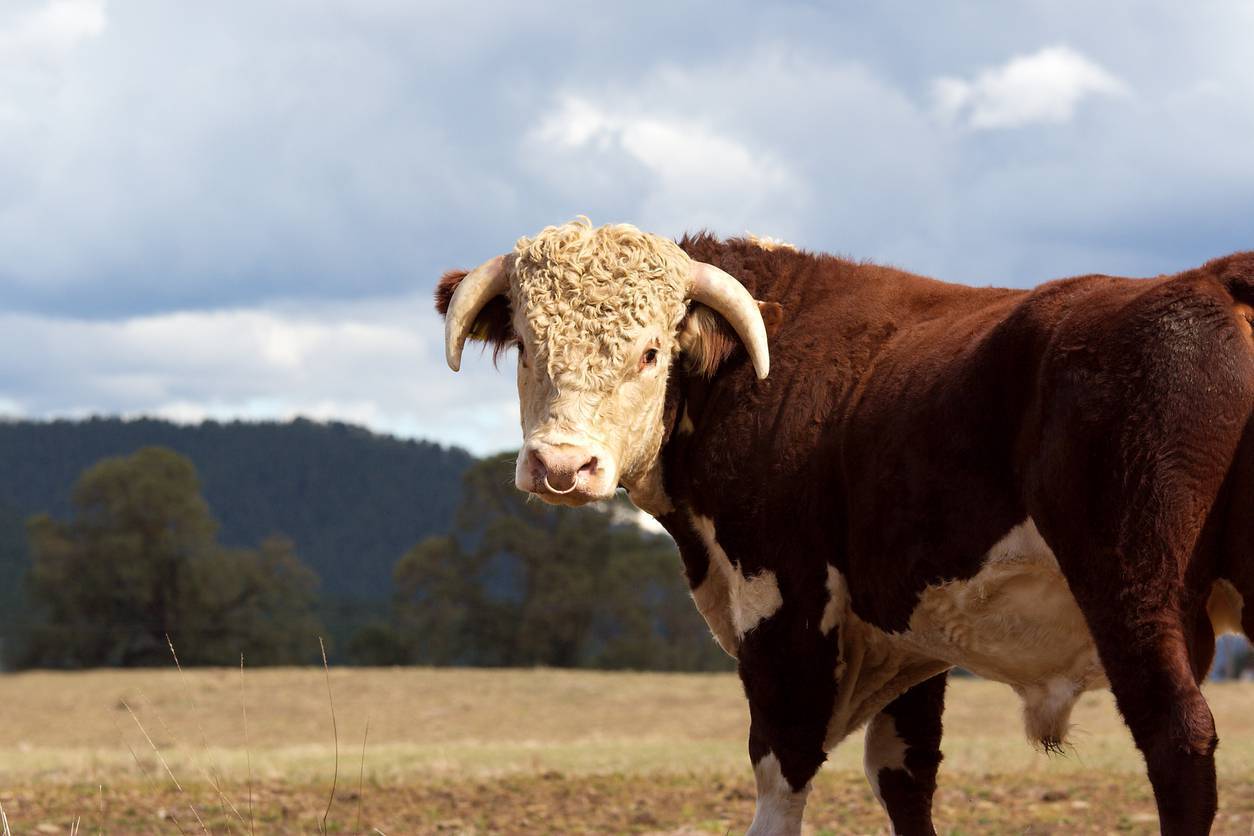
Don't expect young bulls to cover too many cows. And where you are using A.I., make sure to take time to pick out bulls suitable for your cows and heifers well in advance of insemination.
After an excellent February, it seems March forgot to stop raining and now in April, we are still waiting for it to settle.
Spring crop planting is now getting late and many have struggled to get fertiliser on silage ground. Unfortunately, it is already very likely that we will be dealing with lower volumes of poorer quality forages next winter. For both dairy and beef producers, my advice is to cut your silage early and often this year.
Delaying the first cut for bulk is a total false economy. Consider reducing the units of N you apply to achieve quality early and go again for a quality second cut too. It's cheaper to dilute down top-quality silage than it is to top up poor-quality silage.
For many, the winter has not yet finished, as stock have been rehoused or haven’t seen grass yet. But the show must go on, and for most suckler and dairy farmers, the spring breeding season has or is soon going to start.
is the most important aspect in a successful breeding season. In order to have high submission rates many things must go right.
is of key importance. Suckler cows should not lose excessive condition between calving and breeding. Ideally, they should be in around a BCS of 2.75 at insemination.
Stock keepers should aim to keep cows in a good positive of nutrition. Ensure cows have enough grass to maintain condition and offer a little feed to the calf under them.
is another cornerstone of breeding success. As well as supplementing essential Magnesium, a high-mag lick will deliver minerals and vitamins which will aid cow fertility. Some will also use drenches or a bolus for additional mineral supplementation.
Some excellent bolus products are now available, which can supply a release of minerals for up to eight months.
is another important aspect. Ensure that cows have not held cleanings and are free of infection. A pre-breeding scan is a fantastic tool and can help to keep many more cows on your farm for longer.
: This is often left to the bull in suckler herds, but try to keep good records so that you can identify cows not showing heat. Heat detection aids such as chin balls, tail paint and scratch pads are excellent tools when used correctly.
More beef breeders are now putting collars on their cows to monitor heat and health and are a fantastic aid when using AI. Accurate breeding records will help hugely during calving next year, as many sucklers can calve down with small springings.
Make sure the bull is in full working order. Check his feet and legs, and if he is a new bull, consider getting him fertility tested. Feed him well before he joins the cows, as he will need a lot of energy.
- : Don't expect young bulls to cover too many cows. And where you are using A.I., make sure to take time to pick out bulls suitable for your cows and heifers well in advance of insemination.
Many of the above points will apply to maiden heifers too. They should be kept in a positive plain of nutrition and should be, at a minimum, supplemented with a fertility mineral lick bucket at grass.
Top-quality grass should be offered to these heifers, and they should get fresh grass regularly, rather than spending a long time in the same paddock.
Lighter heifers may need to be supplemented at grass before and after breeding to maintain growth and catch up with the older, more mature ones. It is cheaper and more efficient to grow them now rather than when it is too late at housing time.
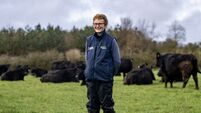
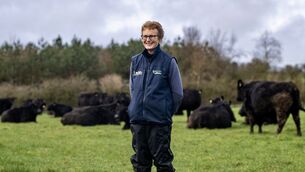
- Brian Reidy is an independent ruminant nutritionist at Premier Farm Nutrition.