Almost half of all honey imported into Ireland and the EU is watered down with syrup
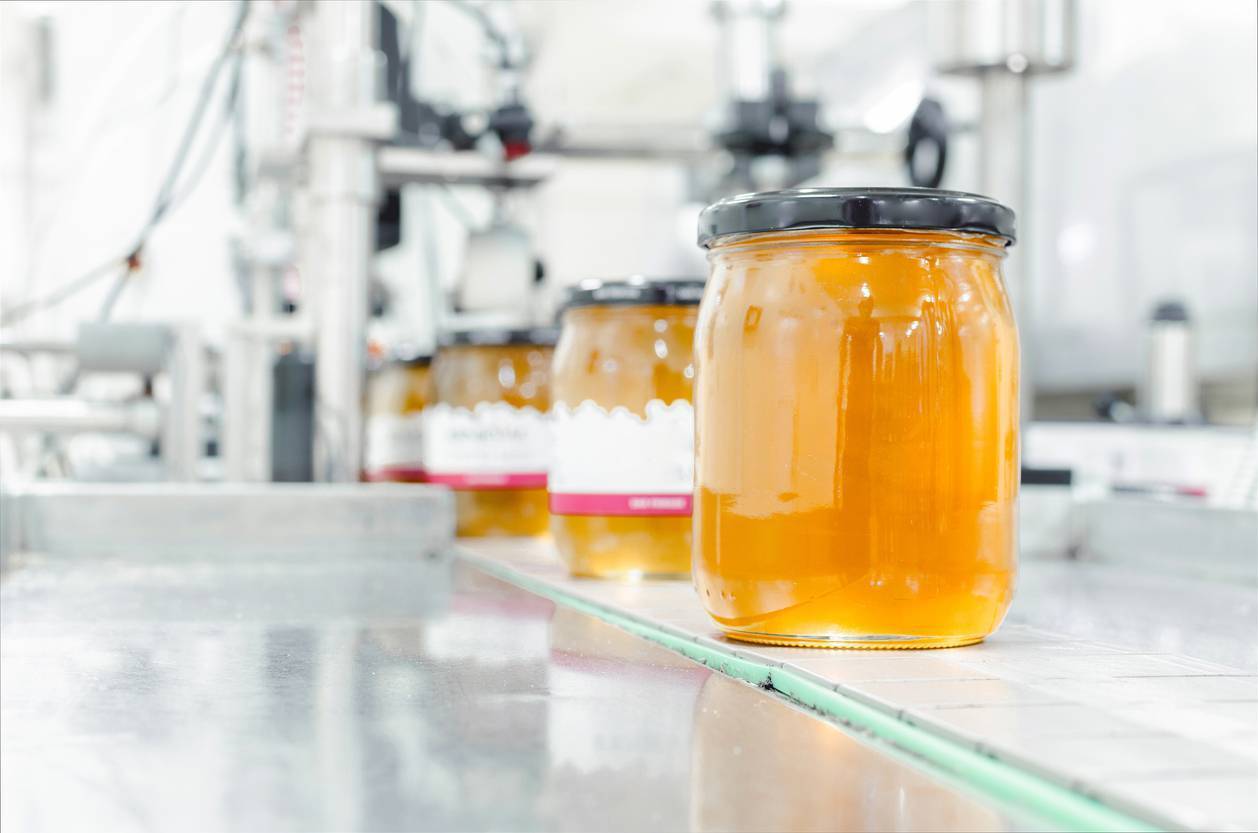
The honeys were sampled across 17 countries including Ireland.
EU authorities suspect widespread adulteration of honey, following a border investigation in which 46% of sampled imported honeys had unsatisfactory results, indicating they contained sugar syrups.
After follow-up investigations of 44 EU importers, seven have been sanctioned. Of the suspect honey, 340 tonnes were either rejected at EU borders, recalled, withdrawn or downgraded to sugar syrups for other food industry uses.
Large-scale adulteration of honey on a global scale is suspected. It may not present a direct threat to public health, but is an unfair practice for honest honey producers and consumers.
Making it even more attractive for fraudsters is the difficulty of detecting added syrups. EU authorities admit that their official analytical methods to check honey authenticity are lagging behind, and are not sensitive enough to detect lower levels of adulteration.
The honeys were sampled across 17 countries (15 EU Member States plus Switzerland and Norway) including Ireland between November 2021 to February 2022, however, the results have only recently been revealed.
Exporting countries with the worst results included China, with 66 out of 89, or 74%, suspicious consignments, and Turkey with 14 out of 15, 93%.
There were 100% suspicious consignments from the United Kingdom, but this was likely to be honey produced in other countries and further blended in the UK before re-export to the EU.
EU authorities have not ruled out banning honey from some countries, but said it would remain a measure of last resort.
Forensic investigations by member states and OLAF (the European Anti-Fraud Office) revealed the use of sugar syrups to adulterate honey and lower its price, both inside and outside the EU; adaption of adulteration methods to elude detection; use of additives and colourings to adulterate botanical sources; and masking geographical origins of honey by forging traceability information and by removing pollens.
Fraudsters are believed to have switched from using maize sugar syrups to extend honey, now replaced by syrups made mostly from rice, wheat or sugar beet.
EU authorities have reminded food business operators that they have the primary responsibility for ensuring compliance with all food legislation, and they must ensure honey they are trading is of the EU marketing standard.
EU legislation aims at preserving the purity of honey as an unprocessed raw agricultural product. But EU producer organisations and consumer associations have repeatedly raised concerns about possible adulteration of honey.
Agriculture ministers have urged the European Commission to review its Honey Directive, to improve traceability in order to protect producers and consumers.
The EU imports 40% of its honey at relatively low prices, for example, €1.36/kg from China, and €1.89 from Ukraine, in 2021. For comparison, French honey is €10-30/kg.
Agriculture ministers want honey labelled with the names of all countries of origin, along the lines adopted already by France. The Commission has said it is considering mandatory labelling of all individual countries of origin in honey blends (about 80% of honeys in retail are blends).