Farm View: Why sexed semen isn't the cure-all for Ireland's unwanted bull calves
Even if all 1.51m dairy cows in Ireland were artificially inseminated with sexed semen, at current stocking rates, there would still be 115,000 dairy bull calves born every year.
There’s been much debate about the revelation a record 4,556 calves were slaughtered in Ireland in the first week of this month.
Department figures show that in 2018, 16,788 calves were culled. However, by last year, this had jumped to 29,495.
The culling of newborn bull calves under 14 days old is not permitted in Ireland. So it’s quite understandable that both farmers and the public alike are alarmed at insinuations that the practice of culling “unwanted calves” is continuing at a mass scale.
The future of live exports are also uncertain, and news this week regarding the closure of the calf assembly centre in Cherbourg is also a timely reminder we cannot rely on other countries to solve our problems – so what can be done?
Of course, one argument is that the whole debate is unnecessary, with sexed semen suggested as “the obvious solution”.
I absolutely advocate for the use of sexed semen, where practical.
But while going sexed certainly has many benefits - including targeted gains in productivity and selection for health traits and would certainly go a very long way towards eliminating unwanted bull calves - we should not fool ourselves that it is the hallowed golden saviour to the whole of this gnarly problem.
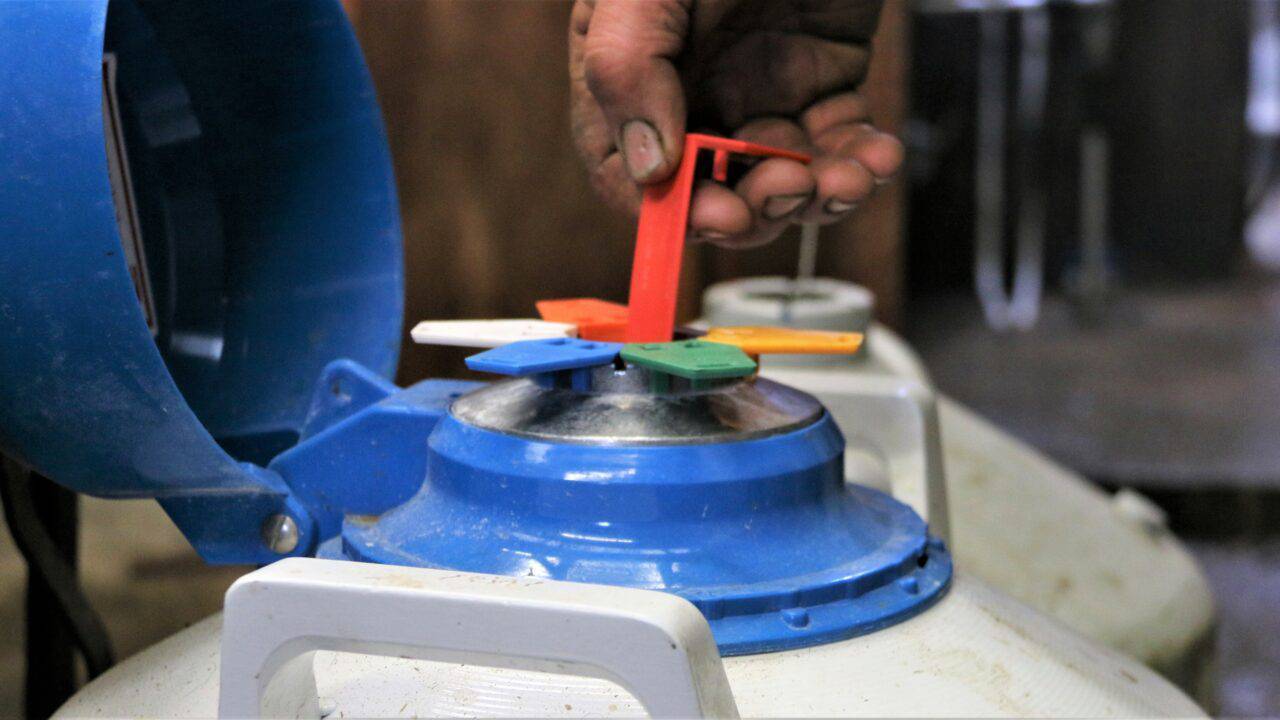
Sexed semen is produced through a process called flow cytometry, which destroys the lighter male sperm cells in bovine semen collected for artificial insemination, with the goal of leaving only the heavier female cells, with XX chromosomes remaining, therefore, eliminating bull calves from even being born.
However, there are also drawbacks. As a result of this intensive processing, conception rates are significantly lower – around 50-60% of the rates achieved with conventional semen in cows, although that gap is significantly smaller for heifers.
Add to this, that sexed semen is at least a third more costly than conventional semen. And not every Irish dairy farmer even uses artificial insemination on their cows to begin with, as it is still much more labour-intensive than natural insemination.
Even with all that in hand, there is also the issue of the number of bulls whose semen is available sexed, which means that relying solely on sexed semen across the entire industry will effectively limit the variability of the genetic pool for Irish dairy cattle.
Already, there have been warnings that selective breeding caused by very recent advances in genomics have further restricted the breadth of the Holstein breed and led to higher rates of inbreeding – although whether the now-discontinued genetics are ones you’d want to continue is another debate entirely.
Add to the mix, the limited number of bulls available sexed are typically in high demand and of limited supply. This means that even with demand from dairy breeders, it is not always possible to use sexed semen from the bulls best suited to your cows.
But the biggest issue is that sexed semen is only 90% effective in producing females.
That means that even if all 1.51m dairy cows in Ireland were somehow successfully bred using sexed semen, at current stocking rates, there would still be 151,000 dairy bull calves on the ground every year – and they all need some kind of market.
You could accuse me of having 'rosé-tinted' glasses this week, but I firmly believe there are significant gains to be made, both in terms of welfare and returns to producers, from the development of an indigenous rosé veal sector, where Irish authorities can have full oversight to ensure the remaining calves are reared to Ireland's high welfare standards.
Far from “unwanted”, rosé veal is a premium product, sought after by many Michelin-starred chefs, and hailed widely for its sustainability, yet for a myriad of reasons, it seems Ireland has missed a trick, and its full potential has yet to be grasped here. Food for thought perhaps!