Suckler and dairy beef welfare schemes open
These two schemes are the €260m Suckler Carbon Efficiency Programme (SCEP) under the CAP Strategic Plan, and the €5m National Dairy Beef Welfare Scheme 2023.
Two suckler and beef support schemes worth €265m have opened for applications on Monday.
These two schemes are the €260m Suckler Carbon Efficiency Programme (SCEP) under the CAP Strategic Plan, and the €5m National Dairy Beef Welfare Scheme 2023.
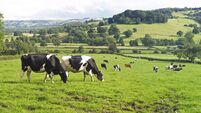
The SCEP is the successor to the Beef Data and Genomics Programme (BDGP), has a budget of €260m over five years, and is co-funded by the EU under the CAP Strategic Plan.
The SCEP rewards participant farmers with a payment equivalent to €150 per cow on the first 22 cows and €120 per cow on subsequent cows.
The National Dairy Beef Welfare Scheme 2023 is a successor to similar schemes in 2021 and 2022, has a budget of €5m, and is funded from the Brexit Adjustment Reserve.
Applications for both measures can be lodged through agfood.ie with a closing date of May 2 for the Dairy Beef Scheme, and May 22 for the SCEP.
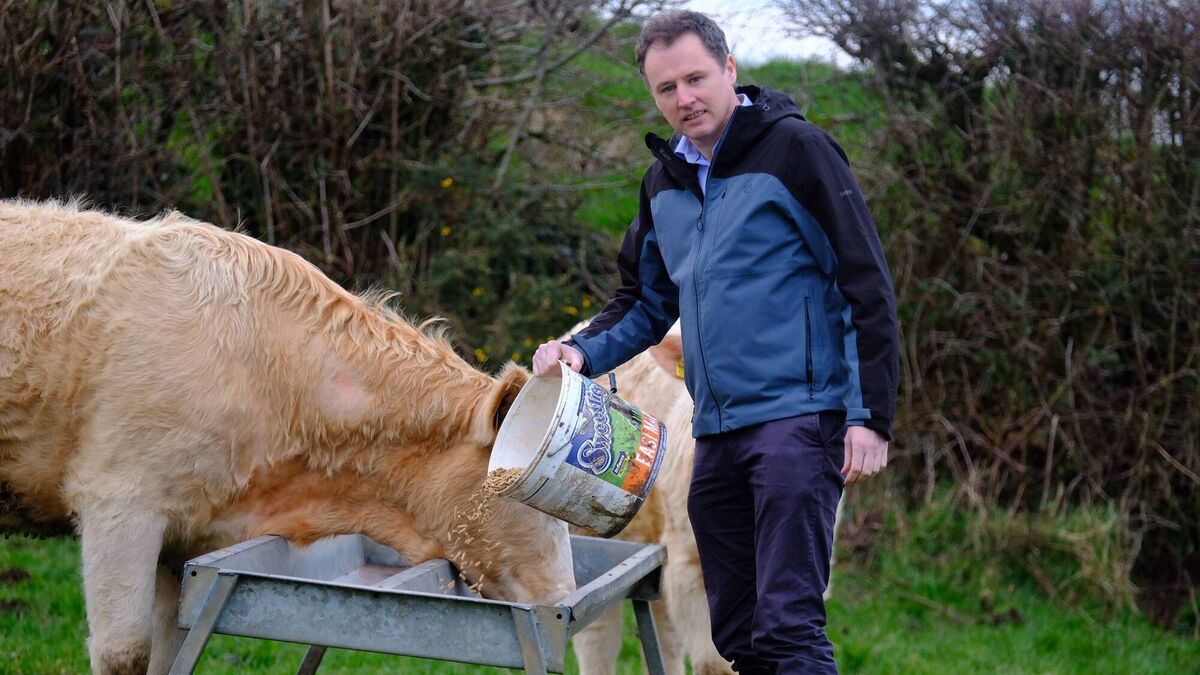
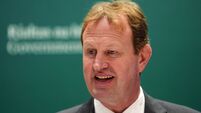
Announcing the opening of the schemes, Minister for Agriculture Charlie McConalogue said that he "will continue to stand behind and back" Irish suckler and beef farmers.
"I am supporting our farm families to help them make their enterprises more economically and environmentally efficient. This is a key focus for me because the output of those farms accounted for €3bn worth of exports to more than 70 markets worldwide in 2022," he added.
The SCEP targets bovine emissions through enhanced use of genetics, genomics, and performance metrics.
It will operate as a five-year contract.
The scheme, which is subject to final approval by the European Commission, is structured around four mandatory actions which must be undertaken by participants in each year of the scheme.
These actions relate to the replacement strategy for both dams and sires, genotyping, weighing of suckler cow/calf pairs and data recording.
Referring to the rationale for the scheme and its strategic context, Minister McConalogue said: "A key policy goal of Food Vision 2030 – the overall strategy for the agri-food sector – is to increase environmental sustainability within the sector.
"The commitments that farmers are asked to make under this scheme reflect the need to have reliable, evidence-based data. We need this data to prove reduced emissions from livestock production and meet climate targets."
Membership of the Bord Bia Sustainable Beef and Lamb Assurance Scheme (SBLAS) is a requirement for participation in this scheme and participants need to engage early with Bord Bia to ensure that they meet this requirement, the Department of Agriculture has said.
The Irish Farmers' Association, while acknowledging this scheme as a "vital part" of the targeted supports for suckler farmers, has said that the inclusion of the Bord Bia Quality Assurance as an eligibility criterion "is frustrating, as this is a market requirement and it would be more appropriate that it’s rewarded from the marketplace rather than being imposed".
IFA livestock chair Brendan Golden said that Bord Bia has a "huge job of work to do" in faciliating suckler farmers to join the SBLAS.
Mr Golden added that the targets for farmers in this scheme are "ambitious, and it is critical the Department of Agriculture provides maximum flexibilities to assist farmers in achieving them".
Meanwhile, participants of the National Dairy Beef Welfare Scheme are required to weigh a minimum of five eligible calves and submit details to the Irish Cattle Breeding Federation.
From May 1, 2023, all data should be submitted within seven days of weighing until November 1, 2023.
The payment rate is up to €20 per eligible calf weighed, subject to a maximum of 50 calves.
Mr McConalogue commented that a successful dairy beef strategy will "improve the resilience of the sector to future shocks, with additional benefits for calf health and welfare".
"In recent years, beef from the dairy herd has contributed an increasing proportion of national production," he said.
"There is strong potential for greater integration of dairy and beef production systems, particularly the role of dairy beef in providing a new diversification option for beef farmers.
"This year, I have increased to 50 the number of eligible calves which farmers will be paid for weighing."