Paula Hynes: Love in the farmyard - despite the TB test!
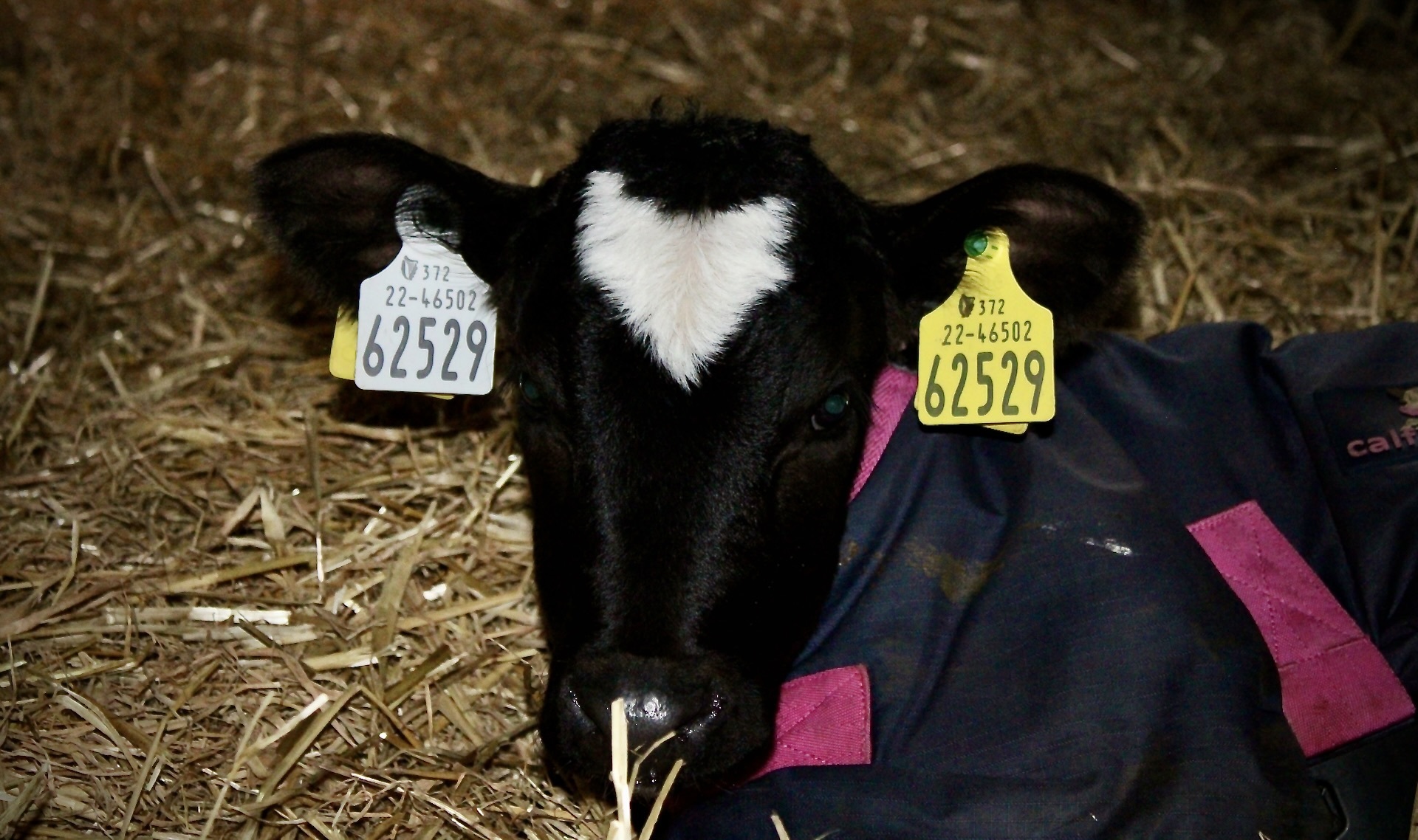
Paula's love heart heifer calf. Picture: Chloe Hynes.
Wherever you go, all you can see this week are roses and hearts - even on our calves!
I have a particular soft spot for roses.
When Pete and I started going out, many moons ago now, I might add, he would get me a dozen roses every month until I told him to stop.
Now, I get them for Valentine's and special occasions.
He always joked that someday he would buy me a hundred red roses, and I would just laugh and say “Are you for real?"
But true to his word, when I finished filming 'The Hardest Harvest' out in Kenya, I was back at the hotel the day before we were to fly home and the knock came to the door and there standing before me was a guy with a hundred red roses.
You should have seen the size of them, such an amazing bouquet. They were magnificent. I rang him straight away to give out to him and he assured me they were a lot cheaper in Kenya than they are at home.
Days and weeks pass at a phenomenal rate during calving, I often forget what day of the week it is.
Megan came to visit over the weekend. she is a Canadian studying veterinary at UCD, and has become an adopted member of the family, and with a huge passion for cows, she fits right in.
We have had many vet students over the last few years, and it's always nice to stay in touch with them. A few of the girls that have been here are graduating in June and we have been invited along to see them graduate, which is a huge honour.
It's something to look forward to, and it's fantastic to congratulate them in person before they all head home across the pond to start their careers.
On the calving front, it has been nice and steady, tipping along nicely, as they say. Nearly all the heifers have calved at this stage and a good few cows as well, and the rest of the ladies are springing away at a speedy rate, next week is going to be hectic.
Rathard Peanut, a Jersey first-calver - who I might add is a bit of a pet - had a smashing heifer out of Avonlea Chocochip (sexed semen).
Peanut herself is by Barcelona, and she was part of the show team last season, where she had a very credible second place at The National Dairy Show.
We are very excited to see this little lady develop, and all going well, 'Cashew' will be part of this year's show team.
The fresh calvers are all very settled getting out to graze after each milking and they come in at around nine o'clock in the evening for some TMR on the feed rail to ensure we get fibre into their diets.
The annual dreaded TB test also happened last week. It is definitely the most stressful few days of the farming calendar for me. I really dislike putting heavily pregnant cows through the crush.
Thankfully, we have an amazing vet, Patricia, who has great patience, and we took our time with each lady to keep stress to a minimum.
I was the most stressed one; I'm an overthinker, and all I was thinking about was if we had a reactor, our girls wouldn’t be able to show and we would have to rear all the calves.
I, for some reason, was thinking of all the negatives instead of thinking positive. Thankfully, I'd say my dad, who was a great man for the prayers, with huge faith, was saying a prayer up in heaven for me, and we had a clear TB test.
It was a huge relief as we have now been TB-free for nine years. It is a team effort keeping the herd clear - the vets who control wildlife on-farm are a huge asset, but it is also crucial that we don’t allow the cows access to any badger sets.
The milking cows are now on a 13% protein dairy nut, but we ensure it is high energy and also includes specially-selected yeast strains to make sure the cows are utilising dry matter efficiently.
The decision was also taken to order more wheat straw for diets. Our own contractor was sold out of straw, so a quick phone call to Martin Regan and a full truckload of big square bales arrived into the yard.
The cows are out grazing twice a day in this amazing weather which makes graze-outs easy, but it is crucial we look after rumen function.
As paddocks are grazed, the contractors are in to spread 2000 gallons of slurry to the acre. It is crucial we get grass growing again to be ready for the second rotation, and we have a saying here on the farm when it comes to spring grass: “You can’t eat it, if you don’t feed it”.