New report outlines how the beef sector can contribute to 25% emissions reduction target
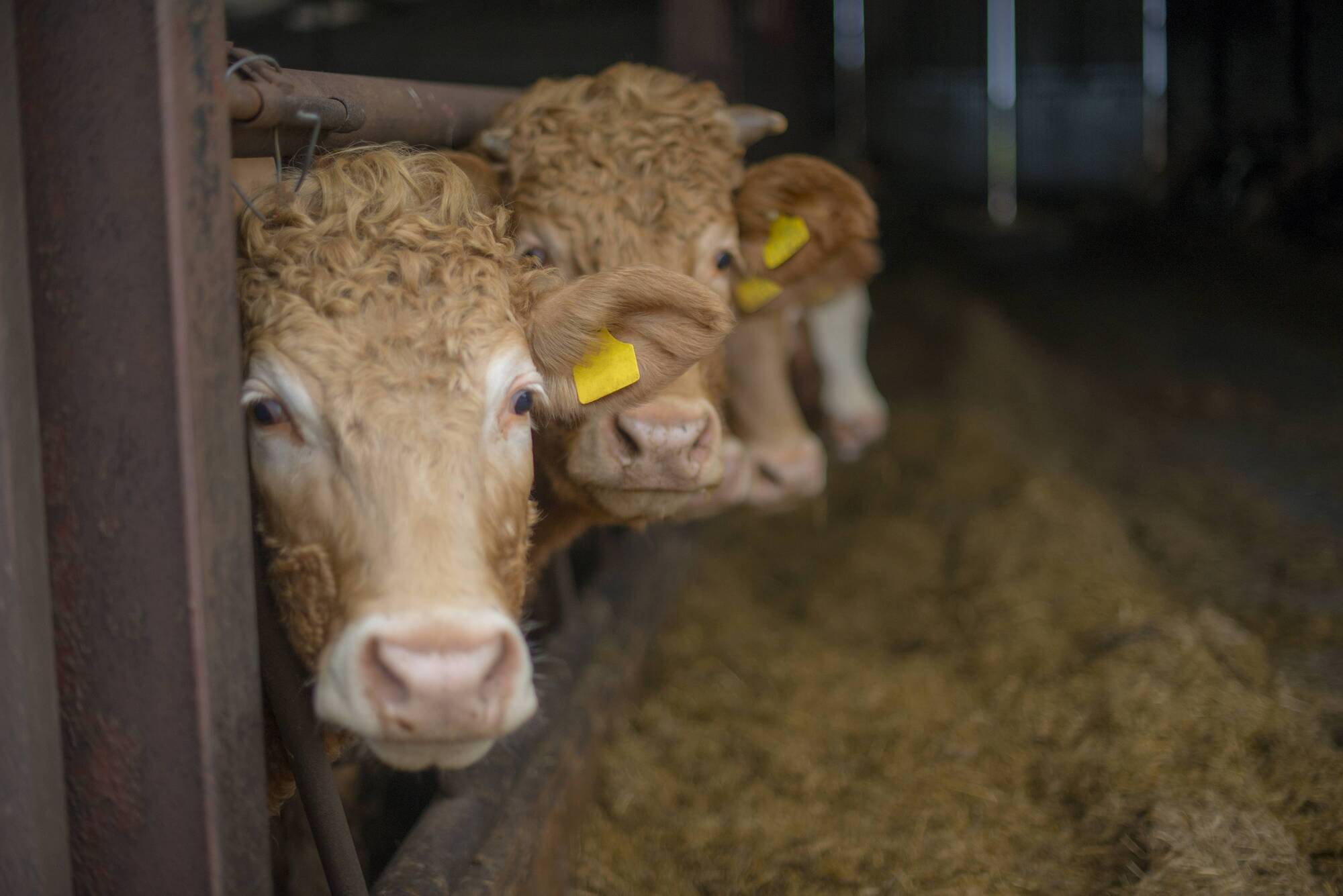
"Over the next decade and beyond, even higher standards of agri-food sustainability will be demanded in the marketplace."
A new report recognising the higher sustainability standards the marketplace demands of the beef processing sector and how this will become more important in the years ahead has been published.
Meat Industry Ireland (MII), the Ibec sector organisation representing the country’s main primary beef processing companies, published its Irish Beef Sector Sustainability Report and roadmap to 2030 on Thursday.
Launched by Minister for Agriculture Charlie McConalogue, the report highlights the sustainability progress that has been made to date given the emphasis that is demanded by the marketplace.
There is also a strong focus in the report on how the beef sector will contribute towards the 25% emissions reduction target for agriculture, as set out in the national Climate Action Plan.
At processing level, the focus for the coming decade is centred around decarbonisation.
By 2030, processors will aim to reduce Scope 1 and 2 emissions intensity by more than 50% and reduce Scope 3 emissions intensity by 30%.
According to MII, this will reduce absolute emissions at farm level and these reductions "will be fully reflected in the agricultural greenhouse gas inventory".
MII factory members have also committed to delivering individual sustainability programmes to incentivise their suppliers guided by the Beef Sustainability Charter, which will be published separately.
MII has outlined the actions for the beef sector that will focus on:
- National roadmap on age of finishing: Reducing age at finish with a focus on weight for age to ensure emissions are minimised and a financially sustainable dairy-beef and suckler system is delivered. The new Climate Action Plan target of 22-23 months will add to a cumulative reduction in emissions by 2030;
- Genetic research: Genetics have the potential to mitigate up to 400,000 tonnes of emissions annually by 2030. MII members driving genetic improvement in the beef herd has already delivered results, with 76% of replacement heifers now four/five star compared to 52% in 2015;
- Commercial Beef Value index: Implementation of dairy breeding strategies that utilise the Commercial Beef Value index, methane traits and carbon sub-index to ensure calves most suitable for beef production are produced;
- National genotyping programme: Genotyping all animals at birth is critical in providing the surety needed in terms of genetic merit for climate and the environment and ensuring these factors are front and centre of breeding strategies.
Speaking at the launch of the report, Philip Carroll, chair of MII said: "With growing emphasis on climate change and the need to meet new and challenging greenhouse gas emission reduction targets, MII's primary beef processing industry members have been focused on building on our sustainability efforts, which have been further driven in line with Food Vision 2030.
"Over the next decade and beyond, even higher standards of agri-food sustainability will be demanded in the marketplace.
"This provides a crucial opportunity for the Irish beef sector to reinforce its position as a solutions provider to deliver on customer targets."
Dale Crammond, director of MII said: "Our clear message is that Ireland’s primary beef processing sector will continue to build on its reputation as a world-class sustainable food producer and supplier."
Mr Crammond added that Government policy support and investment will be needed to assist the sector to reduce emissions, particularly in the area of new research and technology developments, while at the same time safeguarding the future viability of the sector.
Meanwhile, Minister for Agriculture Charlie McConalogue said that the report recognises the higher standards the marketplace demands of the beef processing sector in terms of sustainability and how this will only become more important in the years ahead.