Explainer: What the Salmonella outbreak means for Irish consumers
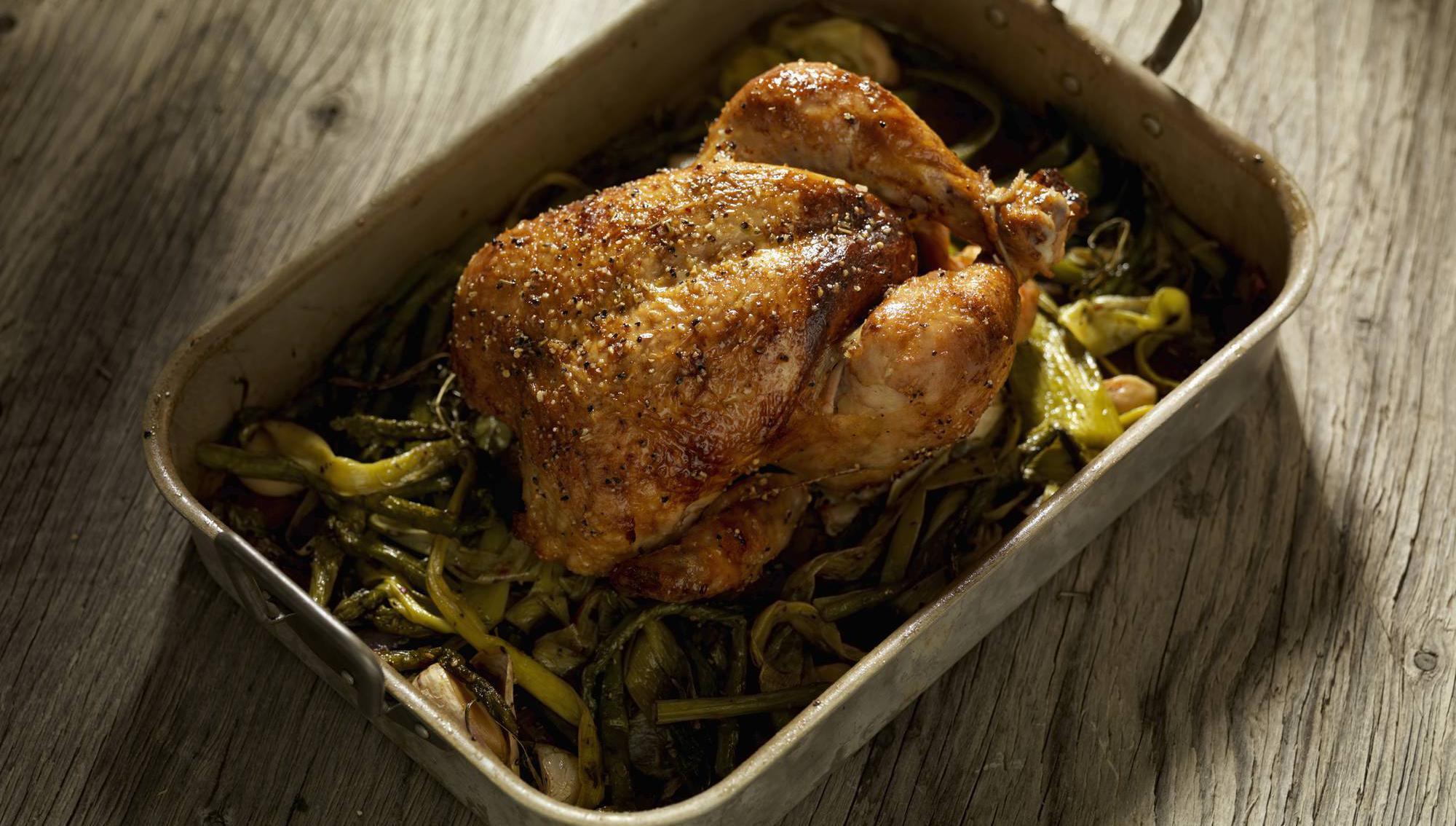
With the investigation ongoing, questions remain as to what this means for consumers
Investigations are being conducted by the Department of Agriculture to "determine the cause" of a Salmonella outbreak among eight poultry flocks across the country.
The Food Safety Authority said it is liaising with the department in its investigation, noting that to date, there are no human cases of illness linked to the investigation into the broiler flocks.
With the investigation ongoing, questions remain as to what this means for consumers. Are they at risk of illness and are poultry products safe to buy? Here is everything you need to know.
Yesterday evening, eight poultry flocks across the country were confirmed as positive for Salmonella Typhimurium.
These flocks were immediately restricted, with a spokesperson for the Department of Agriculture saying they were "working closely with the Food Safety Authority of Ireland (FSAI) and the National Reference Laboratory for Salmonella, in order to determine the cause of an outbreak of Salmonella Typhimurium and to mitigate risks."
Investigations are currently ongoing, with the spokesperson noting that a National Salmonella Control Programme in poultry operates on an ongoing basis.
This programme has been operating successfully over many years, with a very low prevalence of any Salmonella species in Irish broiler flocks.
To ensure that the risk of infection does not spread and to ensure the affected flocks will not enter the food chain, all eight poultry flocks will be culled.
Ireland produces around 2.5m chickens a week, and Irish farmers are now on high alert to protect their flocks and food supply. Speaking to the Irish Examiner, Irish Farmers' Association poultry chair Nigel Sweetnam said the affected flocks are restricted and there is "no threat to human health".
He added that farmers should be vigilant, and continue with the "excellent job" they have done in implementing biosecurity measures, saying he “remains hopeful that there is not a threat to other poultry farms”.
Salmonella is a common bacterial disease that affects humans and warm-blooded animals. Residing in the intestines, it is the second most common cause of bacterial foodborne illness.
There are multiple symptoms associated with the disease, the most common of which include diarrhoea, stomach cramps, nausea/vomiting, fever and headaches. It is, for the most part, non-life threatening, with fatalities exceptionally rare.
The FSAI notes that people infected with Salmonella typically develop symptoms between 12 and 36 hours after infection, but this can range between six and 72 hours, with most healthy people recovering within a few days to a week without specific treatment.
Despite the outbreak, chicken remains safe to purchase and consume, according to Deputy Chief Veterinary Officer of the Department of Agriculture, Dr June Fanning.
Speaking on Morning Ireland today, Dr Fanning insisted that there was nothing to be concerned about following the outbreak, saying the food products were "absolutely" safe for consumers.
Dr Fanning also urged listeners to continue practising safe food hygiene when preparing meals, warning that the most important thing was to not cross-contaminate when in the kitchen.
Last week the FSAI issued a recall on behalf of Western Brand for expired batches of some raw chicken products due to the detection of Salmonella Typhimurium. These products were sold as fresh and are past their use-by date, however, the labels state they are suitable for home freezing. Recall notices will be displayed at point-of-sale in supermarkets.