Herd Management: Getting your stock ready for spring turn-out
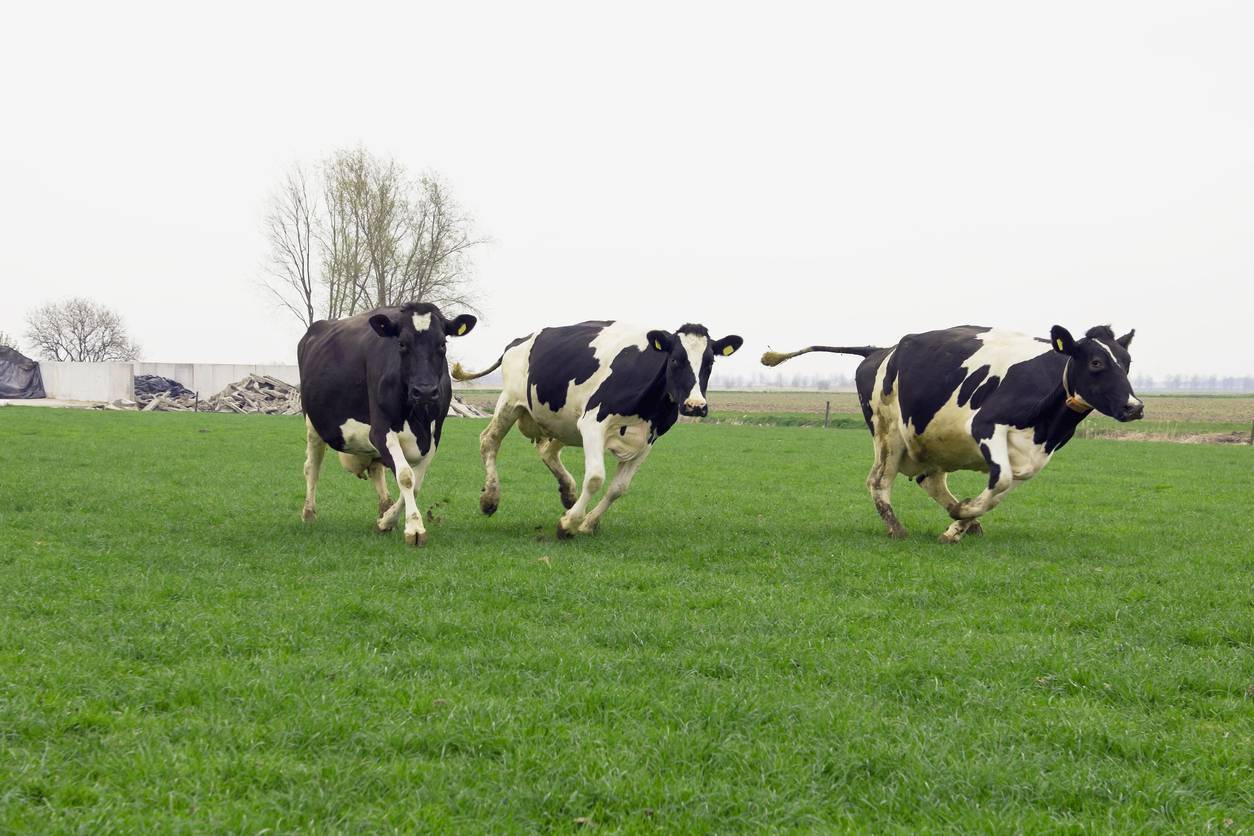
There is a large volume of grass in paddocks around the country, but getting the weather to graze it is now the challenge, writes independent ruminant nutritionist Brian Reidy.
January has been a mixed bag weather-wise - wet, mild, cold, icy and snowy - yet even with ground conditions delicate at present, thoughts are turning to spring grazing plans.
There is a large volume of grass in paddocks around the country, but getting the weather to graze it is now the challenge.
Some dairy herds have seen a few hours of grass in the last week as and where conditions allowed. Apart from reducing production costs, early grazing also makes more land available for slurry application which is posing a problem for many.
Early grazing also improves the quality of grass swards in the next rotation. Always aim to introduce fresh calvers to grass slowly. A few hours the first day in the afternoon and gradually increase the time each day until they are out between morning and evening milkings.
This process should happen over a period of days so that cows can get used to grazing again. Remember that it takes the rumen a full 21 days to adjust fully to a new ingredient and a change in diet.
Keeping intakes up will aid the cows' recovery post-calving and drive milk quantity and quality, along with holding condition and a return to cycling.
As is the norm, turn-out has traditionally been later on beef farms than on dairy farms. Generally, when a beef farm turns out stock, sheds are emptied with the intention that they will not be going back indoors until the following autumn.
Some will have the option to let calves out by day from creep areas to help them get used to grazing before full turn-out.
If covers get too heavy, there is the potential to lose a lot of grass in the first grazing.
Suckler cows with calves at foot might be the ones to turn out first as it will help cows to start cycling, and once it doesn’t get too wet or cold, calves will be less likely to pick up disease outdoors.
Replacement heifers are also a good group to get out early as it will help them to come cycling and show stronger signs of heat when outdoors in advance of breeding.
There is always so much to do around the farm before stock can get to grass. Make sure water troughs are working and clean, setting up and checking electric fences, gates, ditches, fallen trees - the list goes on.
All need to be sorted and made ready for the year ahead. It’s hard to get around to everything while you are managing stock indoors.
Do you have a minimum weight for your beef and dairy breeding heifers? It should relate to the size of your mature cows. Height and frame growth are more important than weight.
You can then increase the feeding level to them now and keep them as a separate group while in the shed and once out to grass for a while before you commence breeding.
By doing this, you can feed additional concentrates to the ones playing catch up right up to breeding to achieve target breeding weights.
Resist the temptation to totally eliminate concentrates in the weeks before turn-out, dry matter intakes will drop, and so too will animal performance.
Grow them when they are young as this is when the gain is cheapest. Any significant changes to the diet leading up to breeding can hit the expression of heat and conception rates significantly.
- Brian Reidy is an independent ruminant nutritionist at Premier Farm Nutrition.