Ireland could use ‘flexibility clauses’ to meet its 2030 peatland restoration targets without implementing measures on peatland under agricultural use, the European Commission has said.
There has been significant concern in the Irish farming community about the amount of land impacted by EU Nature Restoration Law proposals, aimed at restoring “damaged ecosystems and [bringing] nature back across Europe”.
This is the first-ever legislation explicitly targetting restoration of nature, to “repair the 80% of European habitats that are in poor condition”, and legally binding targets for nature restoration in different ecosystems will apply to every member state.
The aim is to cover at least 20% of EU land and sea areas by 2030 with nature restoration measures, and eventually extend these to all ecosystems in need of restoration by 2050.
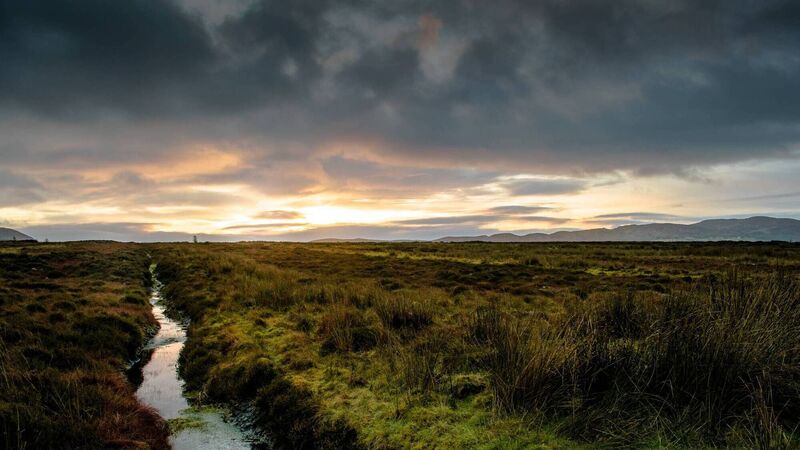
One of the most contentious targets is around restoring and rewetting drained peatland under agricultural use.
Flexibility clauses
However, in a bid to alleviate concern expressed by farmers, a commission official has stressed the Nature Restoration Law proposals include ‘flexibility clauses’ that Ireland can use.
Article 9.4 of the law outlines that for organic soils in agricultural use constituting drained peatlands, member states must put in place restoration measures, as follows: 30% of such areas by 2030, with at least a quarter rewetted; 50% of such areas by 2040, with at least half rewetted; and 70% of such areas by 2050, with at least half rewetted.
Member states may put in place restoration measures, including rewetting, in areas of peat extraction sites and count those areas as contributing to achieving the respective targets above.
Additionally, member states may put in place restoration measures to rewet organic soils that constitute drained peatlands under land uses other than agricultural use and peat extraction and count as contributing, up to a maximum of 20%, to the achievement of the targets.
While the targets in Article 9.4 are meant to primarily be implemented on drained peatlands under agricultural use as they are a large source of greenhouse gas emissions, the flexibility clauses have been included in recognition of the challenges and that the target focus on farmland could have consequences for farmers.
Climate change mitigation
Humberto Delgado Rosa of the European Commission at a recent meeting of the Oireachtas joint committee on agriculture, food and the marine outlined why drained peatlands under agricultural use are being targeted.
“We estimate that 3% of EU agricultural land is on drained peatland in agricultural use, but 25% of agricultural emissions come from this land,” he said.
“When there are requirements for climate policy to reduce emissions, it is a good choice to go for peatlands and their agricultural use.”
He said that peatland plays a “crucial role” in climate change mitigation in that they are the “richest ecosystems” for carbon sinks.
“From a mere climate policy perspective, irrespective of the Nature Restoration Law, it makes a great deal of sense to consider rewetting peatland for the sake of the climate.
“It is an Irish decision as to how much this policy is applied to drained peatland under agricultural use, or to other peat extraction sites. It could theoretically be possible to achieve the full 2030 targets exclusively through other options, if so desired by Ireland.”
He added that Ireland had “already decided on some rewetting of drained peatlands” before the Nature Restoration Law came into existence, on grounds of climate.
“Ireland’s climate action plan and its plans to climatise agriculture already include provisions on rewetting peatland which apparently or possibly are as ambitious or more ambitious than what is in the Nature Restoration Law.”

Cancel anytime