Rachel Martin: The costs of failure make it critical to get calf-rearing off to a good start
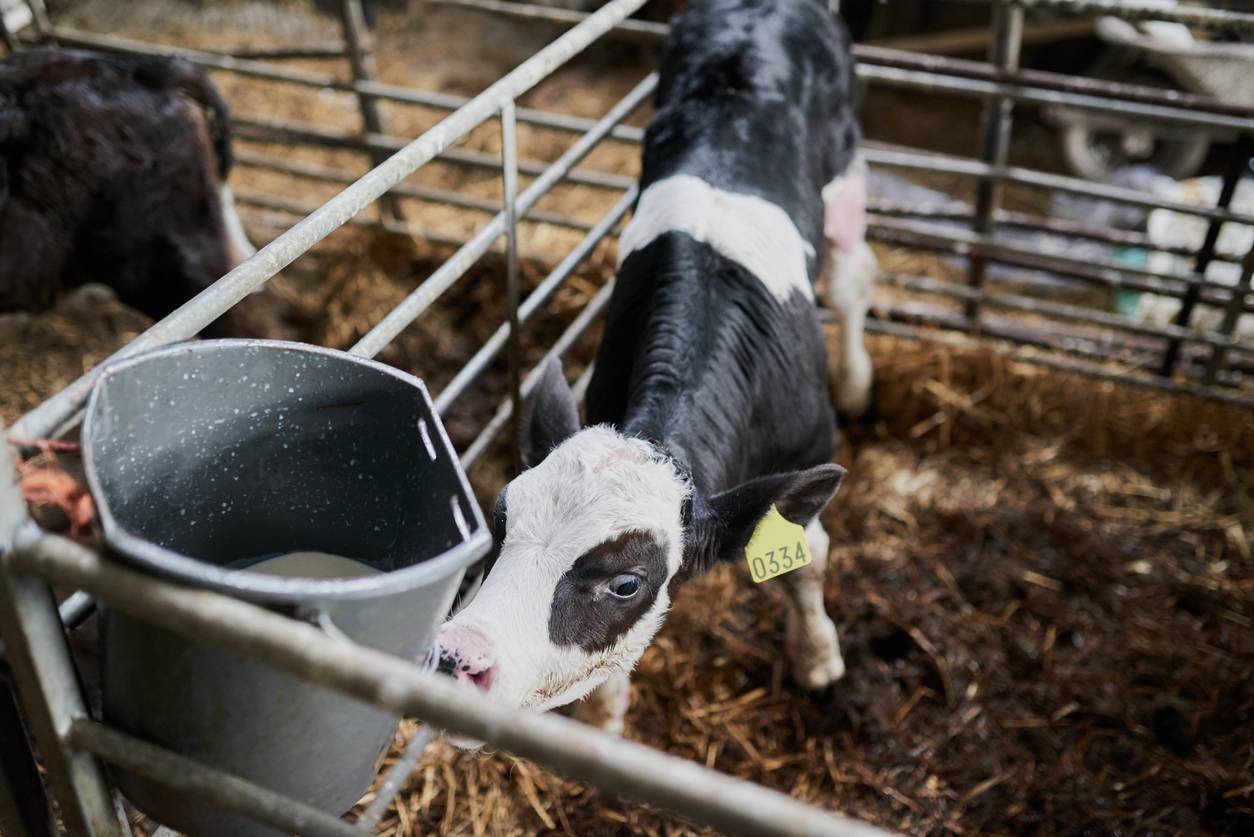
By getting your young stock off to the best possible start, you really are getting your future herd off to the best start too.
Rachel Martin: The costs of failure make it critical to get calf-rearing off to a good start

Making sure buckets and teats are cleaned properly and regularly is a good place to start.

This week, most stockmen I’ve been chatting to have been bracing for the start of a busy spring-calving season, and it’s clear that when it comes to calving, those who plan ahead get ahead.

It can be tempting to wait until the first calves arrive to start, but remember that it’s very difficult when you’re in the thick of things to make the time to step back and assess where improvements can be made, particularly those of you operating a tight block-calving system.

And while a sick calf might feel like a low priority when you’ve 101 other problems to deal with, I think Alltech’s Bernard Stack sums it up well in his advisory column this week when he says “the calf is the future of your herd”.

By getting your young stock off to the best possible start, you really are getting your future herd off to the best start too.

And if you don’t have the time or infrastructure to give them the standard they deserve, it may be worth considering calling in the services of a specialised contract-rearer.

A calf-rearer may seem like an unnecessary expense, but when you consider that studies have repeatedly linked sickness early in life with significantly lower lifetime productivity, it could be a valuable investment that will also buy back some of your time.

Yes, shared and automatic feeders can be a great way to reduce the workload, but don’t see these as a cop-out of putting time into calf-rearing. It is even more crucial to ensure these are cleaned both properly and regularly, as they can also be a very quick way for disease to spread through entire batches of calves.

For example, respiratory diseases can result in lower daily live weight gains in suckler calves, with UK studies claiming that those who had moderate sickness weighed 22kg lower at 10 months.

The effect was almost three times as bad for calves suffering from severe or chronic respiratory diseases, losing out on an average of 202g in daily liveweight gains, which tallied up to quite a significant 61kg over 10 months. At this week’s beef prices, that’s the equivalent of €308 knocked off your bottomline per head. And that’s before we start thinking of the cost of calves which don’t make it.

While the two UK studies focused on beef cattle, the well-being of young stock also has an even more pronounced effect on dairy productivity long into the future.

A study carried out at Cornell University in the US found that for every extra kilo of daily weight gain pre-weaning, adult milk yield increased by 1.113 tonnes in the first lactation and further, while every extra kilo of daily weight gain post-weaning was associated with a 3,281kg increase in first-lactation milk yield.

Among the two herds studied by Cornell, researchers estimated that differences in pre-weaning liveweight gains accounted for 22% of the variation in milk yield during the first lactation.

If you have identified high calf mortality or outbreaks of disease among young stock, it’s crucial to get to the bottom of what the cause is before this year’s crop of calves arrives to avoid falling into the same traps.

Your vet is not just there to prescribe medication and can offer tailored advice based on your individual set-up and risk factors.

Our new animal health columnist vet Hazell Mullins this week goes into more detail about some of the steps you can take to keep your calf house disease-free, but even simply keeping things orderly and tidy and establishing a simple daily routine for cleaning and feeding goes a long way in ensuring your future herd gets the start it deserves.

More in this section

Farming

Newsletter

Keep up-to-date with all the latest developments in Farming with our weekly newsletter.

Cookie Policy Privacy Policy Brand Safety FAQ Help Contact Us Terms and Conditions

© Examiner Echo Group Limited