Dry Cow management using science and experience
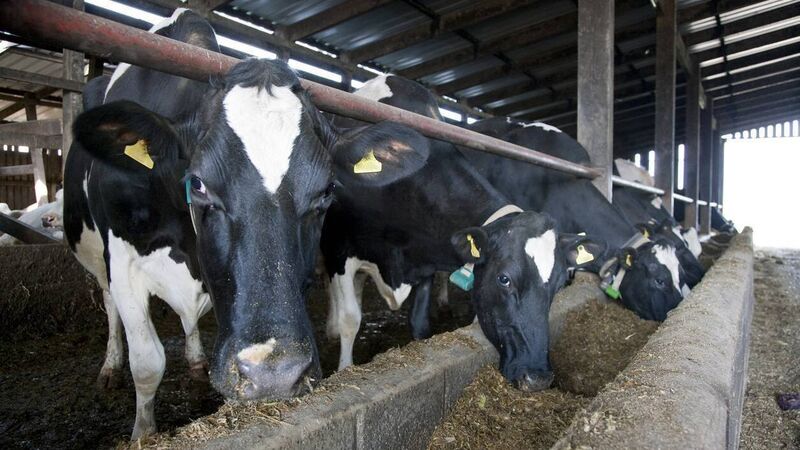
This period of preparation for the next lactation is a key period in a dairy cow’s cycle.
In the never-ending cycle of dairy farming, most are currently drying cows off, have them dried off, will soon be drying them off and some will be milking through.
There is no right or wrong when it comes to drying off the cows or milking some through the winter. For many, the cash flow is welcome and allows cows to complete a full lactation.
Obviously, facilities and labour will determine if this is practical from farm to farm. Many will have noted over the years that future cow performance can be negatively affected where individual cows or groups of cows have a dry period in excess of ten weeks.
On the continent, some herds will only have individual cows dry for five to six weeks at most. Obviously, body condition and dry cow tube withdrawal will also be factors that must be considered when deciding on dry-off dates.
This period of preparation for the next lactation is a key period in a dairy cow’s cycle. Issues during the last dry period and the most recent lactation can be addressed now. It is an opportunity to adjust and maintain body condition score (BCS).
Ideally, dry cows off in the right condition and maintain them right through to calving with a controlled energy diet and appropriate mineral supplementation. Any cows that had digestive upsets during the last lactation have an opportunity to repair the rumen wall during the dry period.
The early dry period allows for complete involution of the udder after drying off and an opportunity to regenerate the mammary gland for the next lactation. A key part of this regeneration process is correct protein supplementation, particularly as cows approach calving, which will also improve colostrum yield and quality. Many silages are low in protein this year so extra protein may be necessary this coming spring.
Obviously, calving is a stressful event for the cow or first-calving heifer and priming the immune system to minimize disease in early lactation is critical. As part of this, a targeted mineral strategy with sufficient Vitamin E & Selenium will drive the immune system around the calving event.
Try to ensure good fertility rates by promoting the production of quality follicles that will be released during the next breeding season. Stimulating a good appetite post-calving will really pay off in the next lactation as it will minimise stress and weight loss post-calving.
High-fibre diets with adequate protein (13-14%) in the dry period will promote intake post-calving, which will aid milk production and milk quality.
Any preparation for the next lactation must allow for easy calving and a healthy calf as a well-implemented dry cow diet will keep cows fit rather than fat resulting in easier calvings, in general, minimise pre and post-calving metabolic disorders will be essential for a successful transition to milking and increase overall milk yield, milk quality, fertility performance and feed efficiency, predominantly from grazed grass. All of this adds up to a cow that is almost anonymous in the herd but is highly profitable.
Grass silage alone may have nutrient and mineral imbalances resulting in metabolic disorders around calving and in the early weeks of lactation. Using an accurate forage mineral analysis to devise your dry cow diet strategy is advised, particularly if you have had issues around the transition cow in the past.
For some, the option of feeding straw while restricting silage provides good physical fill and helps to control Potassium levels in the diet. Again, the 2022 first and second cuts seem to be high in Potassium and also have some mineral antagonists in them, such as Molybdenum Aluminium and Iron. Straw intakes can be encouraged to reduce the diet energy density.
Silages with DMD of 68 or higher are too good for dry cows resulting in excess body condition gains. The provision of a small amount of concentrates during the dry period will help to promote rumen bug populations in preparation for nutrient-rich diets in early lactation and also may be required to boost protein supply.
A good quality dry cow mineral is an essential part of successful dry cow nutrition and management in preparation for the next lactation. Try to look at the quality of the mineral rather than buying it on price alone. If you have, as I suggested before, gone to the trouble of getting a mineral analysis for your silage, then get help to match the correct mineral so that any deficits in your silage are filled.
Dry cow minerals should always have a high magnesium level and organic and protected trace elements to optimize mineral availability. As I mentioned above, it is also important that sufficient vitamin E is fed to dry cows to promote the cow’s immune response around calving.
For higher-yielding herds, a transition dry cow diet may be recommended by some to ensure a smooth change from the dry period to early lactation.
I personally favour one group of dry cows as, in most setups, it is not practical to be constantly moving cows from batch to batch and may prove more stressful than it is worth for man and beast.
The cow’s nutrient requirements in the last two weeks of the dry period are increasing due to colostrum production and the increasing size of the rapidly growing calf. The cow’s appetite is also declining due to hormonal changes.
To ensure all the nutrient requirements are met, a target of 9.5 to 10.5kg DM/cow/day, with energy intakes of 100 to 110 MJ/head/day, is required.
The best way to achieve this is by offering the transition cows some additional concentrates along with the diet that they have been eating throughout the dry period. The protein content of the transition diet should be increased to 14%+ from the desired 13% in the early dry period.
The additional protein helps promote intake as well as increasing colostrum yield and helps bagging down. The in-calf heifers will benefit from the additional protein pre-calving as they are the ones that are most likely to suffer from poorer intakes as they approach their calving date.
In general, I tend to spec dry cow diets at 9.5 to 10 ME and 13.5 to 14% for all dry cows for the entire dry period, as separate diets can complicate things and are generally unnecessary. Dairy blends or nuts should not be fed to cows before calving as they contain calcium.
Once calved, take care to introduce the milking diet carefully. Obviously, concentrate levels can be introduced faster through a mixed ration than they can in the parlour.
- Brian Reidy is an independent ruminant nutritionist at Premier Farm Nutrition.