Climate plan will not impose cap on herd

Climate plan will not impose cap on herd

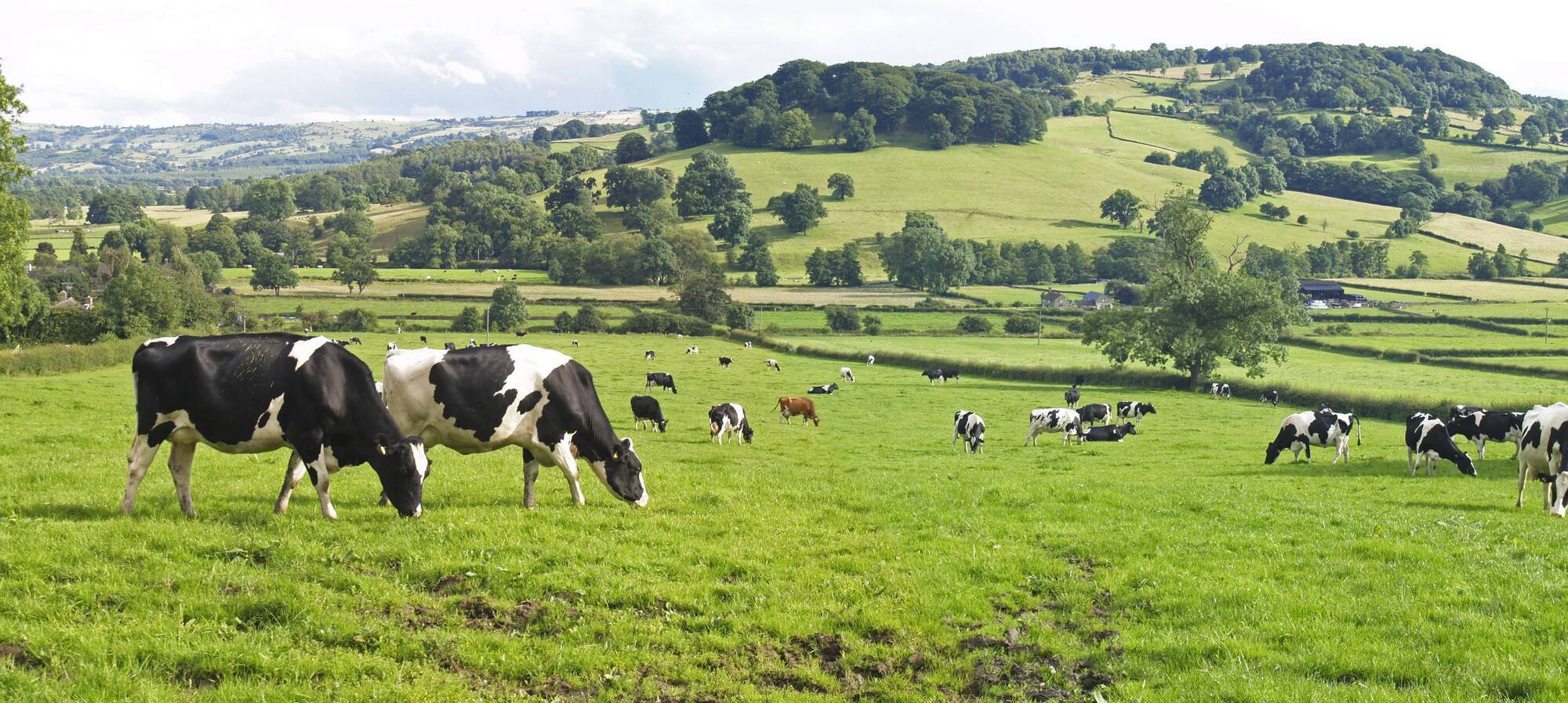
Actions for the agriculture sector to reduce emissions outlined in the newly-published Climate Action Plan will encourage farmers to diversify, but there will be no cap on cow numbers as feared by some.

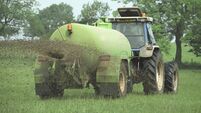
To meet the required level of emissions reduction by 2025, a number of recommendations will be implemented from the Food Vision sectoral groupings, including significantly reducing use of chemical nitrogen as a fertiliser to a maximum usage of 330,000 tonnes by 2025 (and 300,000 tonnes by 2030); and increasing the uptake by farmers of low emissions slurry spreading by 90% by 2025.

Processors and farmers will also be encouraged to reduce the average age of slaughter to 24-25 months by 2025, and 22-23 months by 2030.

Farmers will also improve how they feed their animals by reducing the crude protein content of their feed; and there will be an increased focus on low-methane traits within animal breeding programmes.

The Climate Action Plan says that recommendations of the Food Vision sectoral groupings for livestock farmers should be mobilised, and support land use diversification options such as anaerobic digestion, forestry, and tillage. 

By 2025, it is aimed to produce up to 1 TWh of biomethane; target up to 250,000 hectares of organic land; and target up to 360,000 hectares of tillage.

To meet emission reduction targets set out for 2030, reaching up to 5.7 TWh of biomethane is outlined; along with incentivising an increase in the level of organic farming up to 450,000 hectares, and supporting an increase in the area of tillage to 400,000 hectares.

Speaking today, Minister for Agriculture Charlie McConalogue assured that the agri-food sector is committed to reducing emissions over the course of the decade by 25%. 

“Our focus is on ensuring that agriculture continues to be a world-class producer of food while we step out our climate ambitions,” Mr McConalogue said.

“We are finalising the details of the Climate Action Plan where we outline how we continue on the journey of being the sustainable food capital of the world. There will be no measure in the Climate Action Plan that will be forced upon farmers.

“All measures will be voluntary and aimed at supporting our farmers to continue to produce world-class food while also diversifying income streams through tillage, energy generation, and forestry.”

Mr McConalogue said he is committed to delivering on the three pillars of sustainability in agriculture — environmental, societal, and economic.

“Separately, through the Food Vision 2030 group which I established and published its report in 2021, the sector has already committed to a 10% reduction in methane by 2030. This does not directly correlate to a 10% reduction in numbers,” he said. 

“I will continue to work with farm organisations and farm families on how we will deliver on our overall climate ambitions.”

x

More in this section

Farming

Newsletter

Keep up-to-date with all the latest developments in Farming with our weekly newsletter.

Cookie Policy Privacy Policy Brand Safety FAQ Help Contact Us Terms and Conditions

© Examiner Echo Group Limited