Details of 2023 fodder support scheme revealed
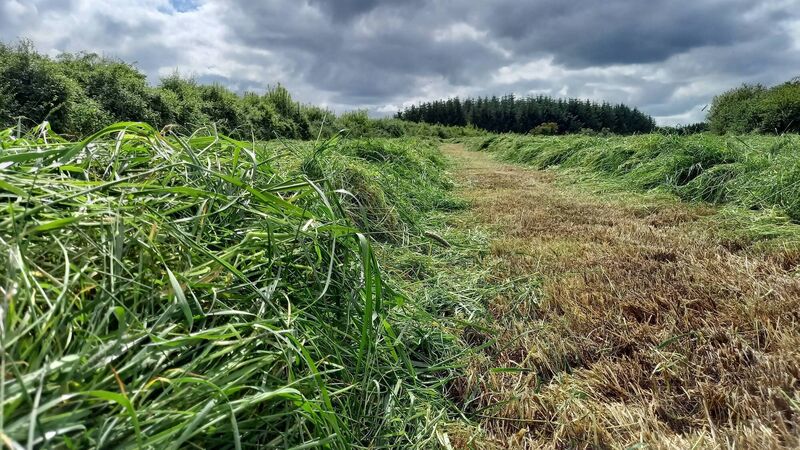
'The feedback on activity on dairy farms is that there was no issue in respect of making fodder.'
The average payment of €735 which about 71,000 farmers are getting from the 2022 fodder scheme will buy a tonne of CAN fertiliser, but only those who get the maximum payment of €1,000 will have enough to buy protected urea.
The scheme was put in place to help farmers (other than milk producers) meet the significantly increased expenses such as fertiliser, energy, and silage wrapping, involved in producing winter fodder.
These payments began issuing to farmers over the past week.
"I wanted the money out by the end of this year for farmers to help as many of them as possible next year to buy fertiliser ahead, to ensure they have it to grow grass and to be productive next year, " said Agriculture Minister Charlie McConalogue last week.
Even as farmers received payments, they faced a deadline of December 5 last to apply for the 2023 Fodder Support Scheme. This deadline applied to the 71,000 eligible applicants under the 2022 Scheme.
The scheme, announced last June, incentivised drystock farmers to grow more fodder (silage and/or hay) for the winter, to ensure Ireland does not have any animal welfare issue over the winter and spring.
The budget for the scheme was €56m, with a payment rate of €100 per hectare, for up to 10 hectares.
Payments will continue to issue to cleared cases on a regular basis over the coming weeks.
Last week, Mr McConalogue revealed he will open the scheme up to new entrants in 2023, to ensure everyone who makes fodder or hay next year has the additional costs involved in that supported by the Government.
"That sits alongside the tillage incentive scheme we introduced this year, which resulted an increase of 6% or 7% in our overall grain supply."
The minister said he expected only a very small number of new entrants or applications next year. "Those making fodder next year would all have been making it this year as well".
"There will be new entrants to the scheme and there will be some who, for different reasons, did not apply and I want to accommodate them."
"I said on budget day that the scheme would be open to them in the spring, and they can plan on the basis that they will be able to apply. We will process the applications in the springtime, and certainly in advance of the fodder-making season, because they need the help in the same way as everybody else needed it this year."
"To administer it effectively, as a starting point, I made it open to all those already in the system, and all those who applied this year, so they could have a handy process of reapplying for 2023.
"For those who did not apply this year, it will open up for new applicants in the spring. I wanted to ensure we could drive on as quickly as possible now, and that is why we have done it for the existing applicants ahead of time."
The minister explained again last week why dairy farmers are not included in the fodder scheme.
"The evidence from Teagasc is that, thankfully, dairy has had one of its best years ever for incomes, where milk is at a record price. The feedback on activity on dairy farms is that there was no issue in respect of making fodder. Activity levels were as good as ever, and the increased income for farmers was out-stripping the increased costs of inputs. "
"The situation was different in beef and sheep, and I brought in the scheme to support them with their additional costs, to ensure there would not be a reduction in fodder making. That benefits everyone right across the system, because if we have enough fodder in the country, every sector benefits, including the dairy sector. This keeps the price of fodder manageable."
With regard to dry stock or livestock farmers who do not make hay or silage themselves, they are not eligible for the fodder scheme, but stand to benefit if the scheme ensures there is a good supply of fodder in the country, keeping prices down.
"Everyone benefits if we have enough fodder, and I have directed the funding where it was most needed to ensure fodder is made."
The fodder crisis of 2012/2013 which Mr McConalogue referred to affected most farmers, particularly in the midlands, south and southwest, resulting in increased animal deaths and decreased farm output.
The cost of the crisis to farmers was officially estimated at €500m.
There were significant price increases for concentrate feeds and forage through 2012 and into 2013, due to the lack of grass growth, which in turn led to the early slaughtering of an estimated 23,000 extra livestock. Some long-term effects included soil damage and decreased livestock fertility.
There have also been fodder difficulties in the 1998/1999 winter, and in 2018 due to a summer drought.