EU fertiliser production still only at 50%
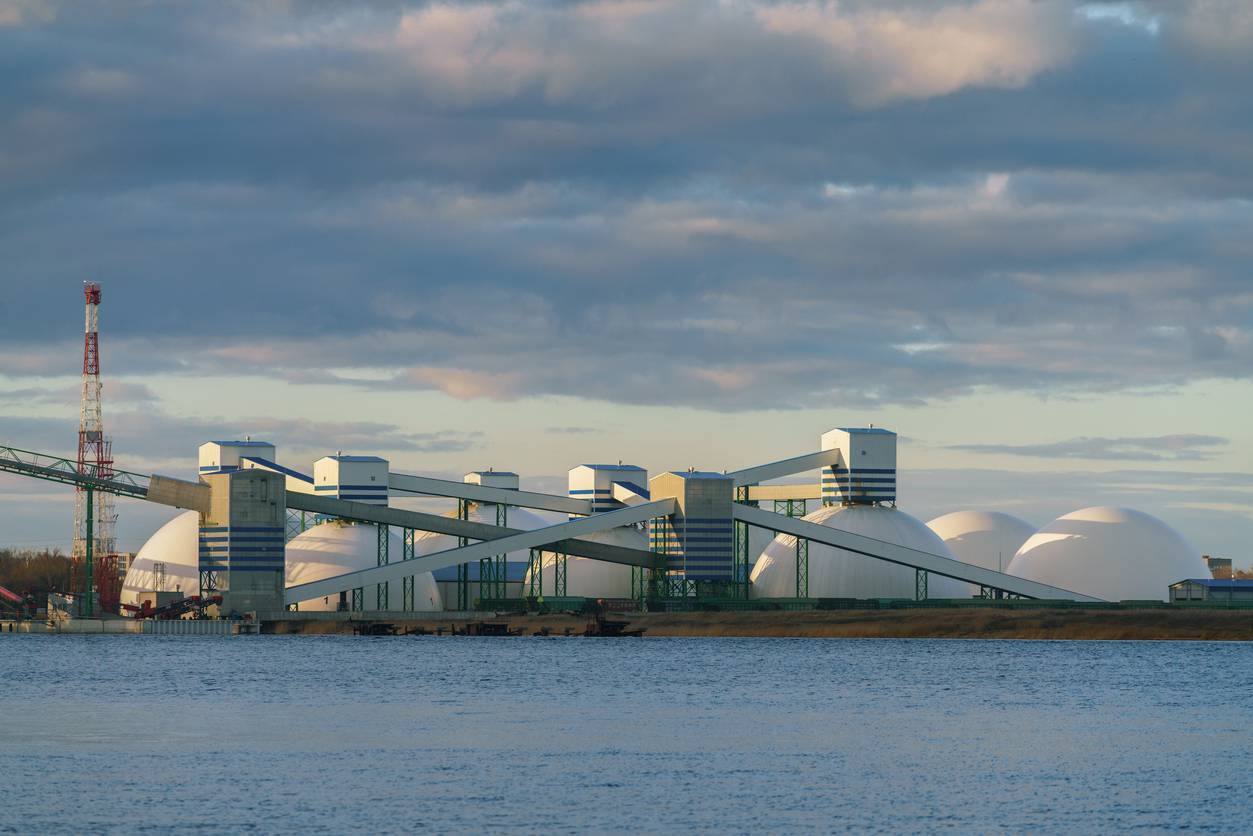
Fertiliser terminal at sunset

Fertiliser terminal at sunset

The European Commission’s communication last week on ensuring the availability and affordability of fertilisers contained little to ease farmers’ worries about getting fertiliser in the spring, and it confirmed that 50% of the EU’s production capacity is still closed, down from more than 70% in early September.

Agriculture Commissioner Janusz Wojciechowski said the global mineral fertiliser crisis is not just for farmers, or fertiliser producers, but for everyone, because more than half the food produced in the world depends on mineral fertilisers. But soaring prices for the natural gas used to produce ammonia and other nitrogen products have forced fertiliser manufacturers to reduce production, threatening the EU’s strategic autonomy in fertilisers, with a knock-on effect across the entire agri-food supply chain.

The Commissioner explained that fertilisers are now three to five times more expensive than usual for EU farmers, causing farmers to buy less, which puts harvest yields and soil fertility at risk.

“This in turn risks further food inflation, affecting our most vulnerable citizens,” said Mr Wojciechowski.

“We must also remember our responsibility for global food security. This responsibility is more important than ever, with a record high of 222 million people in 53 countries acutely affected by food insecurity this year.”

The Commissioner said last week’s communication aimed for more secure and sustainable fertiliser use.

He said the food sector is a critical EU sector, and as key contributors to the food sector, fertiliser manufacturers can be prioritised for continued and undisrupted access to natural gas, in the case of gas rationing.

Therefore, this may be irrelevant if gas prices remain high, leaving European fertiliser manufacturing unprofitable, with no incentive for manufacturers to reopen closed-down factories.

Fertilisers Europe, which represents the majority of EU mineral fertiliser manufacturers, responded to the communication, saying a more comprehensive strategy is needed, including measures to support transition to a low-carbon fertiliser industry.

The response from EU farmers was predictably scathing after Commissioner Wojciechowski largely left it up to Member States to mobilise financial tools to help the fertiliser industry and farmers.

These tools include the EU’s new Temporary Crisis Framework for State aids.

x

More in this section

Farming

Newsletter

Stay ahead of the season. Sign up for insights, expert advice and stories shaping Irish agriculture.

Cookie Policy Privacy Policy Brand Safety FAQ Help Contact Us Terms and Conditions

© Examiner Echo Group Limited