Rachel Martin: Don't pull the wool over my eyes - it's criminal not to value nature's cosiest fibre
In a week where policy-makers and the hoi polloi are pondering how many shirts they need to pack for COP27, it feels almost feels like a parallel reality to see masses of shoppers queuing for hours to check out the racks of cheap polyester garbs at the reopening of Primark's flagship store in Belfast.
Granted, it comes four years on from the Great Primark Fire, which devastated parts of the city. But a lot has changed in that four years - both in society and our awareness of where the planet is heading in terms of global warming: We bring our own bags to the shops, drive electric cars, use water canteens instead of plastic bottles, and attempt to recycle anything and everything in sight - or at least claim to.
You might be wondering what this week's column has to do with farming - and tellingly, I think that's actually where the industry in Ireland misses a trick. Not often enough are the connections drawn between the island's primary produce and how it can help the end user.
You'd think clothing retailers would be signing all kinds of exclusivity agreements to get their hands on the stuff and factories around the world would be producing it full tilt.
Imagine instead that the same material is produced as an undervalued byproduct of meat production - one which thrives on low-value marginal ground, and areas not suited for much else.
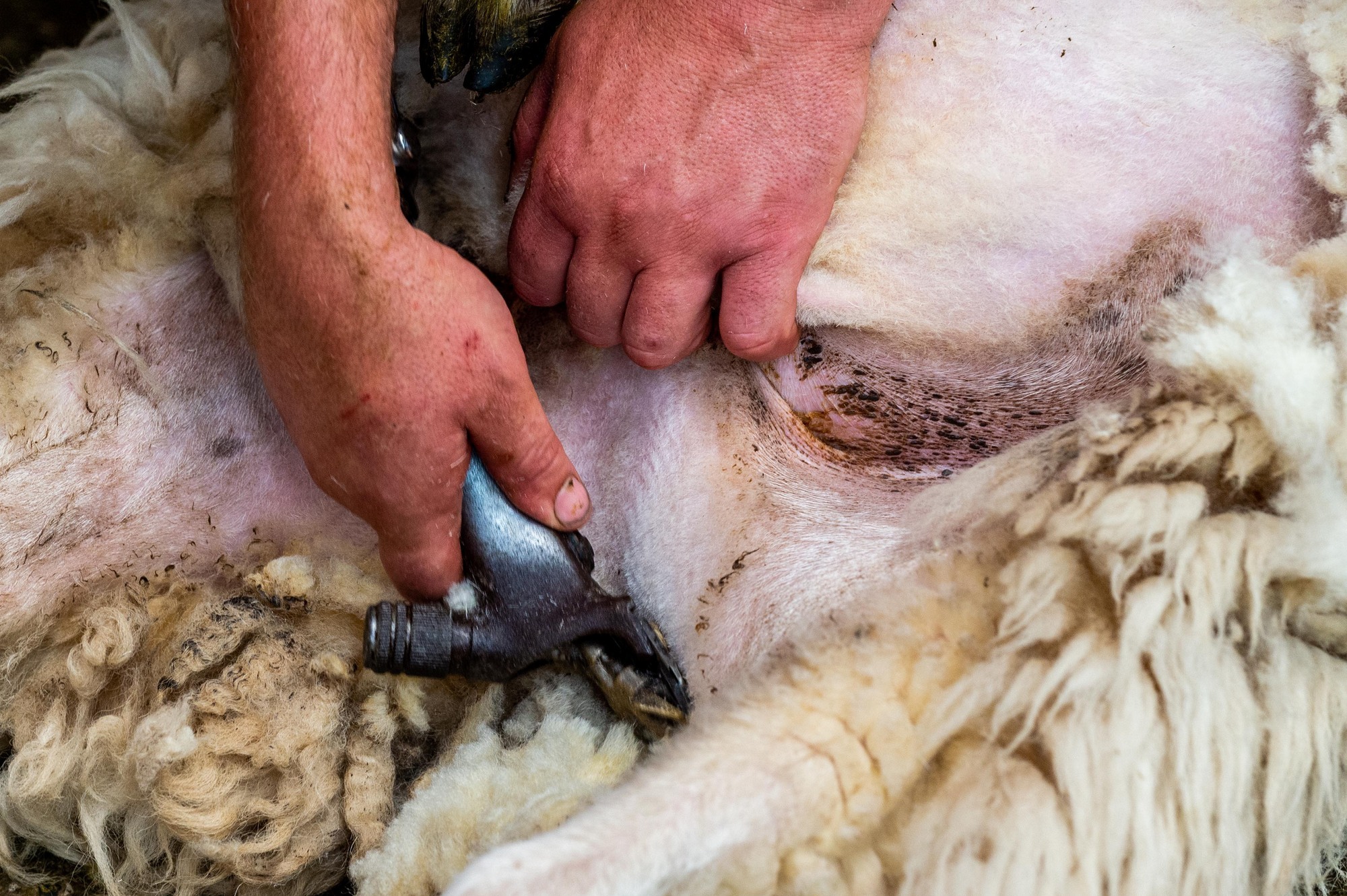
Across the water, farmer-owned body British Wool (which goes by Ulster Wool in the North) processes and promotes wool as the go-to material for carpets, housing insulation, and beautiful fabrics, like Harris tweed. Even lanolin - the oily substance in sheep's wool - is hoist forward as a natural water-repellant and ingredient for beauty products.
The same kind of approach is sorely needed in Ireland, where shearing often comes at a cost to farmers and our love of fast fashion comes at a cost to our planet.
I spotted an interesting video this week by fashion journalist Ryan Yip, who explained that if the fashion industry continues on its current trajectory, by the end of the decade almost three-quarters of textiles will be made from fossil fuels.
He highlighted that the production of polyester produces around 700 million tonnes of carbon emissions every year - the equivalent of 180 coal-fired power plants. With this context, it then seems almost criminal that a natural, biodegradable resource like wool is so quickly shunned for synthetic, fossil-fuelled alternatives.
Changing your habits to live more sustainably doesn't always have to be dramatic - as Yip points out, even checking the labels as you buy and seeking out natural fibres, responsibly produced can make a big difference over a lifetime.
I never thought we'd be giving fashion advice on the Farming pages, but there's a first for all!
Read More

BLACK FRIDAY
Already a subscriber? Sign in