Efficient beef finishing in the Fermanagh lakelands
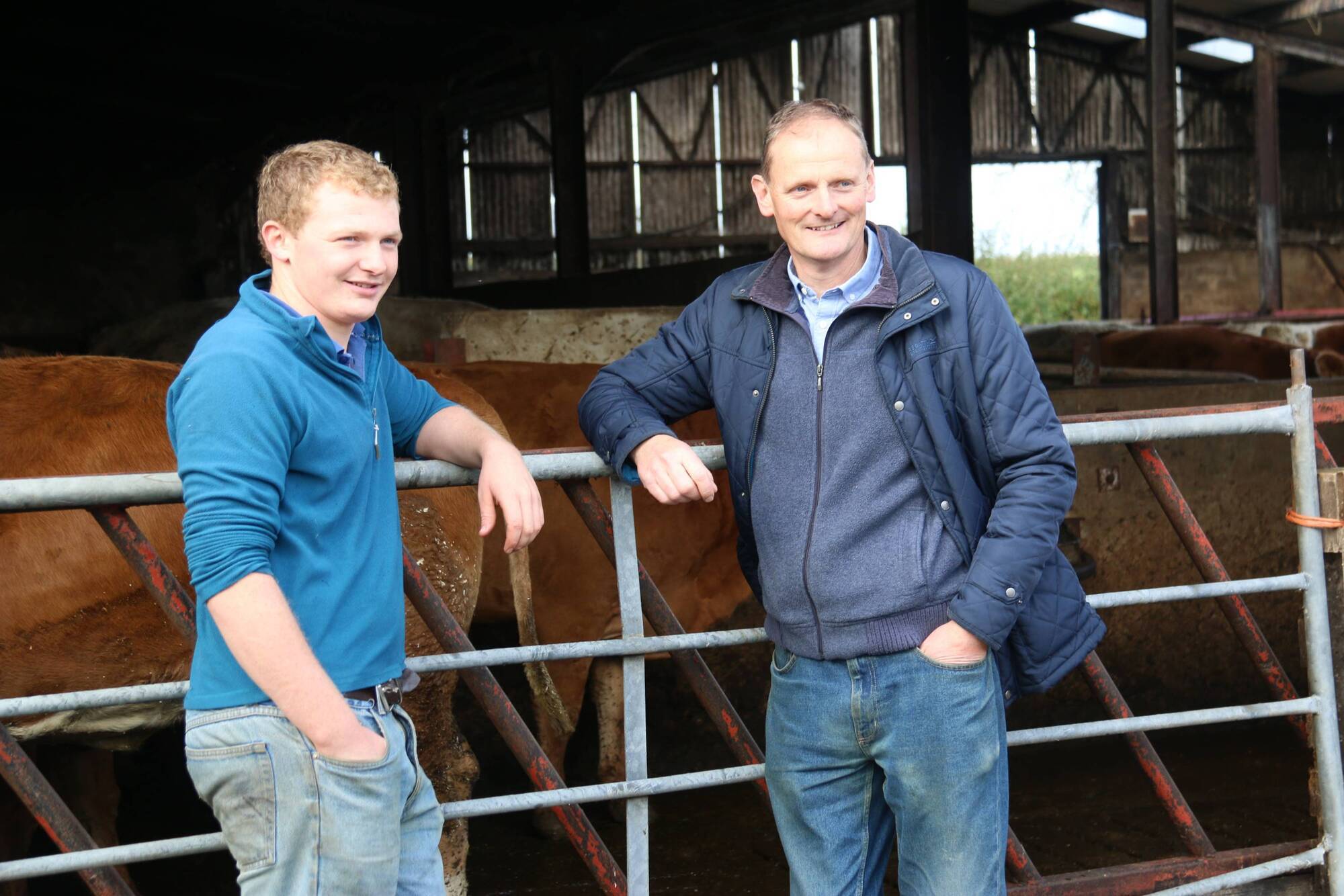
Ulster Farmers' Union president David Brown explains the challenges of efficient beef finishing in the Fermanagh lakelands and why his major frustration is BVD.
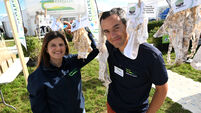
Neil and David Brown on their farm in Florencecourt, Co Fermanagh
Neil and David Brown on their farm in Florencecourt, Co Fermanagh
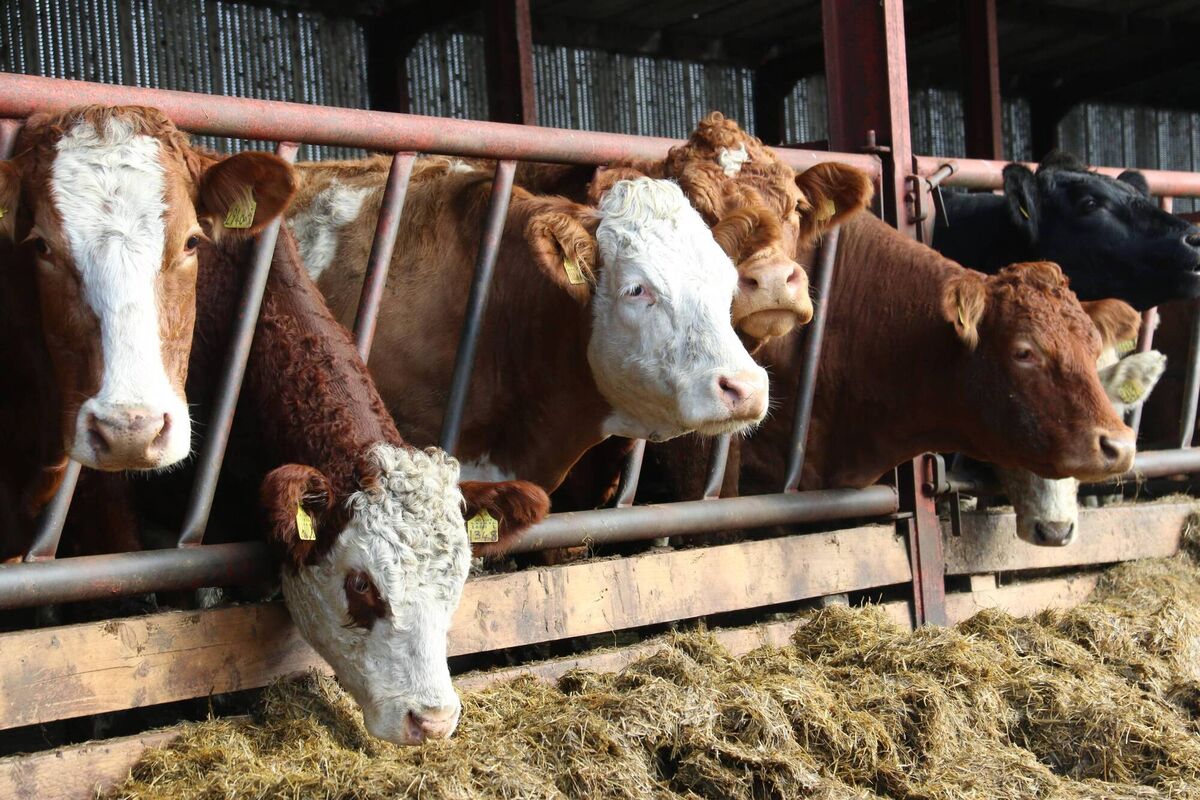
Ulster Farmers’ Union president David Brown has run his farm since around 1993, but recent challenges — particularly TB — have led to a change in direction.

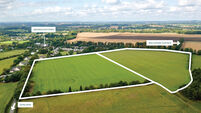
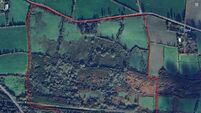
He started with around 100 acres and has expanded by purchasing three separate parcels of 20 acres.

“That effort to grow the farm from 100 to 200 acres has probably taken my career in farming — it will certainly take my career to pay for it. But the way I look at it is that if there is a next-generation here wanting to farm, and thankfully there is, it’s worth it,” he told agricultural journalists on his farm in Florencecourt, around 6km from the border with Cavan.

Other changes have included the building of a finishing unit and converting an old silo into a calf creep.

David Brown's farm in Florencecourt, Co Fermanagh

David’s father bought in store cattle and fattened some of them and sold them as stronger stores and found joy attending marts several times a week.

However, David made the decision to move towards suckler cows and finishing them, rather than buying in cattle — a move largely driven by the area’s problems with TB.

There was little to no TB in the area during his first 15 years on the farm, but now it is a continual struggle to farm against.

“Since I have got into the 2000s, and certainly in the last 15 years, I have been closed with TB every third year — and I’m constantly testing because if I’m not down, my neighbours are down,” he said. “That’s the cycle of TB, unfortunately.”

“Originally, I would have carried the male calves through as bullocks but for the last 10-15 years they have been finished as bull beef.

“The heifers are typically finished as well, but if I am clear in the TB test, in recent years, I have gone back to the live ring with those heifers.”

David Brown's farm in Florencecourt, Co Fermanagh

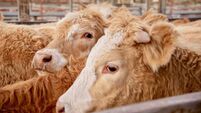
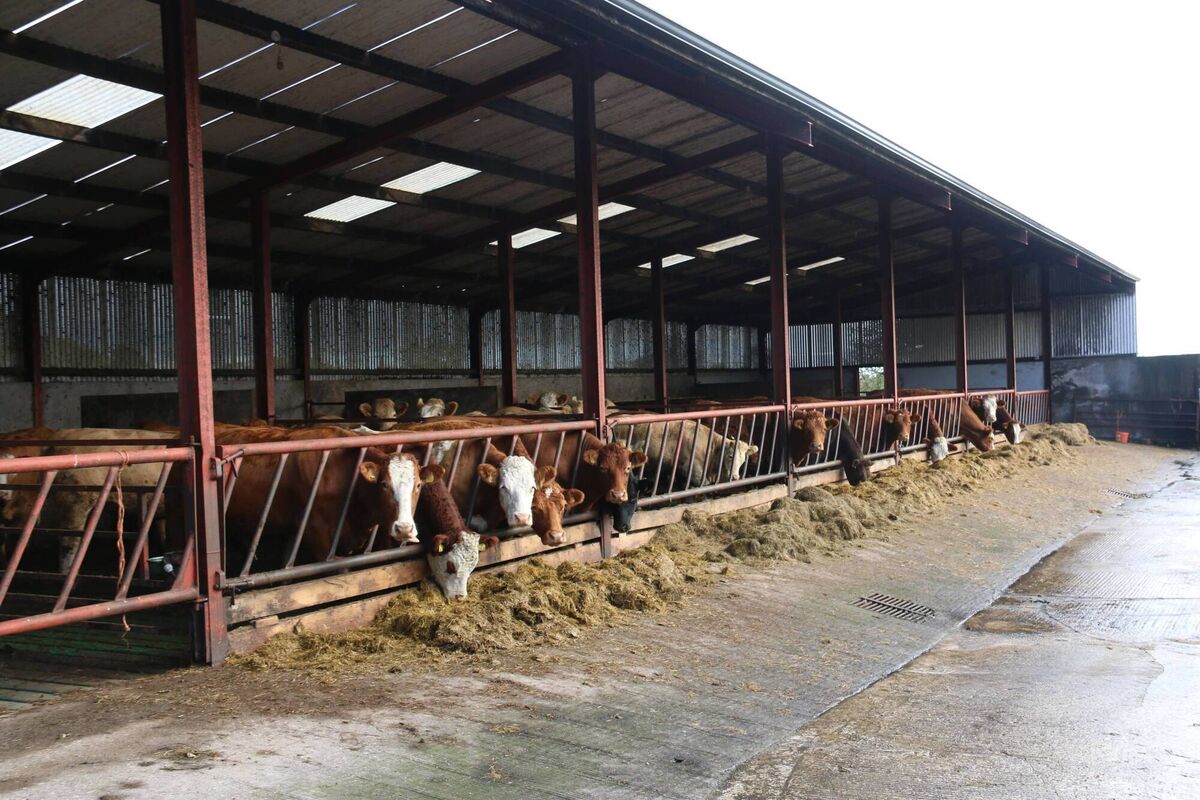
Today, he farms around 70 suckler cows, finishing them through to beef, and buys in store lambs in the autumn to finish off the grass. The farm also includes some forestry.

“I was finding myself getting closed up too often and needed the flexibility. I also discovered how extremely efficient those animals are at converting,” he said.

At under 14-15 months, the average carcase weight for bulls on the farm is 395-405kg.

Explaining why he made the switch, David said: “No more meal has gone into them than the bullocks would have got. I was keeping the bullock for an extra year, so those animals are getting around 1.3t of meal.

“If they are born in March and April, they are weaned around Christmas; they are getting a kilo of meal at the moment, they will get two kilos in December, come January, they will get four, in March/April, they will get six kilos, and in May/June, they will get eight.”

David breeds his own replacements, mainly from Simmental and Limousin cows, calving cows in two two-month blocks.

“That means you’ve a fairly even batch of calves. I have to keep a tight eye on them. The deadline for them is 16 months and whatever weight they are at that point in time, that’s the weight they will be. If you are feeding them at 8kg of meal, it’s not a wise business decision to keep them and take a cut in price on them.”

As a former Focus Farm, a scheme run by the Department of Agriculture in Northern Ireland to showcase efficient farming practices, David was encouraged to start weighing his stock. Looking back, he explained the set of 15-year-old analogue weigh scales bought during this time was one of his best investments.

“You are able to keep track of how they are doing and with a calculator do the sums on them and know when they need to be gone,” he said.

“The biggest problem at the moment for the beef industry is the pressure from the consumer, because the cost of living crisis means they aren’t buying as many of the more expensive cuts of meat. It means we really have to keep on top of our inputs and run an efficient business.”

‘An endless list’

David farms in partnership with his son Neil, who helps keep things running while he is on duty for meetings with industry stakeholders.

“I’m generally about the yard for an hour or two in the morning with a little earpiece in - the phone never stops, but that’s the role of the president of the Ulster Farmers’ Union,” he said.
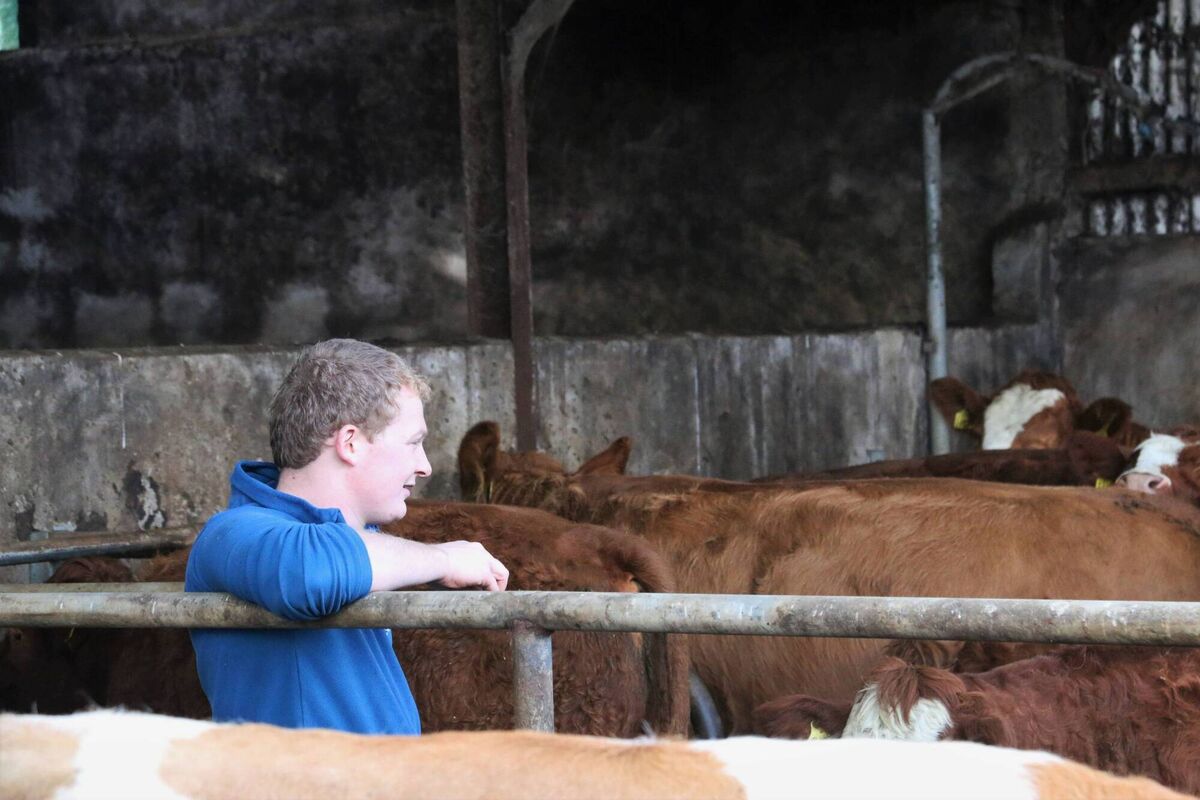
Neil Brown pictured on the family farm in Florencecourt, Co Fermanagh

“Peter, who joined us on a work placement has scarcely seen me because I am always in and away again to something else.

“I’ve become almost a part-time farmer — that gets maybe an hour in the morning. Some evenings I might get an hour. And if I can’t, which is frequent, Saturday is looked forward to.

“There’s normally a list on Saturday - and I always overestimate what I can achieve and I’ll probably never get to the bottom of it: There’s sheep that have been bought recently that need vaccinated, there are some young calves that need to be dehorned, and I can just see there will be a list for this weekend and then I’ll be off in London from Monday until Wednesday.”

BVD

Has been in the job six months, but one of his biggest frustrations has been rumbling on for more than six years.

“My biggest gripe with the BVD situation is that in 2016 and ‘17 I sat on the beef and lamb committee as an ordinary punter representing the South-west Fermanagh group, and we argued at that meeting successfully that we needed the same rules as they had in the South of Ireland; in other words, that herds would be closed if they didn’t get rid of PIs, that neighbours will have been informed,” he said.

“We knew that some farmers will see the need to do this and will do it, but there are always those who need the carrot and the stick - and we made that argument to the department. And then government closed down, and the civil servants told us they couldn’t do anything without a minister’s authority.

“The very first meeting we had with Edwin Poots [Northern Ireland’s Agriculture Minister until this week], we had a list of 10 points and five of them were about animal health - BVD obviously being one of them.

“We argued it time and time again because a vet from Animal Health Ireland had explained to us very clearly what they were doing in the South and the mistakes they had made.

“We had no reason to make the same mistakes, but our department did not act. And of course, in September, the South of Ireland achieved BVD-free status and that has had huge implications for the industry in Northern Ireland.

“We were told, ‘Sure what farmer would keep a PI calf?’ But he doesn’t keep it, he sells it on and then someone else gets stuck with it and there are innocent people who have been caught very badly by it. Unfortunately, the figures for BVD are going in the wrong direction - albeit they are still much lower than where they were.”

He said one farmer nearby had unknowingly bought a PI calf, and ended up losing all of his own stock as a result.

“Those are the type of people I am here to defend,” he said.
x

More in this section

Farming

Newsletter

Stay ahead of the season. Sign up for insights, expert advice and stories shaping Irish agriculture.

Cookie Policy Privacy Policy Brand Safety FAQ Help Contact Us Terms and Conditions

© Examiner Echo Group Limited