Wool industry 'lacking a well-framed policy roadmap'
The "clearest thing" about wool is that farmers "are simply not getting the prices".
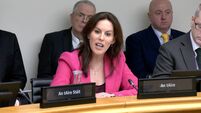
The wool industry in Ireland is "lacking is a well-framed policy roadmap", a TD has said.
Catherine Connolly told the Dáil this week that there is a "major role" here for the Government in terms of possibilities for the use of wool, for things like fertiliser and insulation.
Following the publication of the €100,000 wool feasibility study during the summer which identified market opportunities for Irish-grown wool-based products, Ms Connolly said that the Government left the report "sitting there, waiting for industry to do something".
One of the main recommendations of the review was the establishment of an independent wool council, to be industry-led and contain stakeholders from the wool sector including primary producers, farmers, and commercial enterprises.
"Nothing has happened since the report was published. It is now almost November and still, there is no wool council," Ms Connolly said.
"One of the things that is lacking is a well-framed policy roadmap."
Ms Connolly said that the "clearest thing" about wool is that farmers "are simply not getting the prices".
"The key economic concern for producers is that the price achieved for farmers is less than the cost of shearing. We know this," she continued.
"We are going to do a Pontius Pilate on it and say it is absolutely nothing to do with us, and that we will wait for the council to be set up and ignore all the other recommendations.
Responding, Minister of State Pippa Hackett said that she is "fully supportive" of the establishment of the wool council, "which can use the findings of the wool review as a roadmap to develop pathways towards maximising the true potential of Irish wool".
"I understand stakeholders in the wool industry have taken the initial steps towards the formation of the council," Ms Hackett said.
"Once it has been established, my department will commit to providing €30,000 in financial assistance towards the initial set-up costs.
"Given that has not happened, there has been no drawdown of the funds yet but it is my hope the report and the council can help chart a roadmap for the industry to help drive increased returns for the great and sustainable product that is wool."
Ms Hackett said that it is "not fair to say nothing has happened" in this area.
"After the study was completed, it was over to the sector itself to establish a wool council. It is not for the department or for me to establish that," she commented.
Ms Hackett added that market forces and demand dictate the price of wool "and it is, unfortunately, at a terribly low baseline price".
"The price at the moment really is quite appalling," she said.
"When it is established, however, the wool council is where we will have the opportunity to explore that and have a collective voice to reach out and seek out the opportunities for wool.
"The sooner the council is established, the better. I will certainly try to urge the stakeholders to get that established as quickly as possible."

BLACK FRIDAY
Already a subscriber? Sign in