Herd Management: Balancing nutrients and minerals in a grass silage based ration
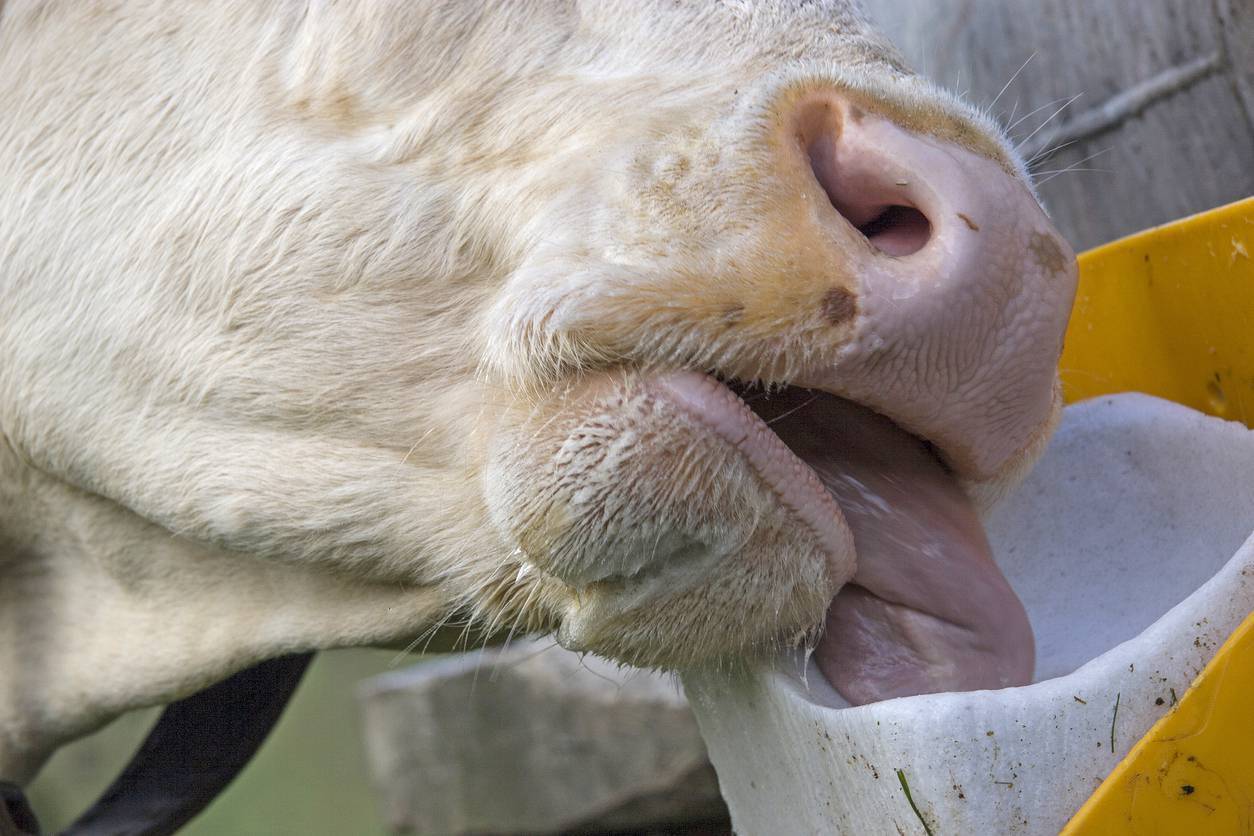
Many believe that finishing cattle don't require mineral supplementation, which is totally inaccurate.
Balancing forages from farm to farm can be a challenge each winter. With varying swards and weather conditions, there can be vast differences in feed quality and mineral profiles from bales and pits.
Getting silage tested before formulating diets for the coming winter is an important way to increase production and keep control of costs. Many farmers will test their silage for Dry Matter, Protein, Energy, pH, etc., and will get advice on how they can best balance it for their stock.
The vast majority of farmers will be dealing with wet first-cuts and extremely dry second-cut silages this coming winter. These exceptionally dry second cuts will make clamps and bales difficult to manage at feed-out if mould and spoilage are to be prevented.
Do you test your silage each year? A more scientific approach needs to be taken on-farm to ensure accurate delivery of nutrition to stock and to also prevent unnecessary costs through possible over or underfeeding of particular nutrients. Even knowing which pit to feed animal groups will help achieve optimum performance and profit.
Testing your silage for minerals is recommended to establish deficiencies and begin the balancing process for target animal groups. Many farmers will cross-reference these results with milk or blood analysis and get minerals formulated to match.
Remember that mineral data helps to identify deficiencies on your whole farm and will also help you to work out what your soil requires in terms of trace element fertilisers or foliar feeds. It will also help explain any animal health and performance issues that may occur on-farm.
Silage and grazed grass make up the predominant feed source on almost all Irish farms. If we know what level of minerals and vitamins an animal requires based on, breed, age, weight, sex and productivity etc then we can formulate nutrient programmes to supply them with any elements deficient in the base forages grown on your farm.
Most farmers have a perception as to what particular mineral symptoms look like and have tried many things in the quest for a solution. It has been well established that areas of the country have particular mineral deficiencies. The science is now there to establish the real on-farm issues.
Calving season on dairy or suckler farms is always a stressful time and anything you can do to smoothen the process is a good investment in terms of both time and money.
One example is accurate mineral supplementation pre-calving. Knowledge of your grass silage mineral profile will make formulating a dry cow diet much easier. Records of issues from the previous calving season can help those advising you to prevent similar issues in the coming calving season.
Milk fever and held cleanings are associated with excessive Potassium (K) and Sodium (Na) in silages. The K usually has come from large volumes of slurry applied to silage ground and the Na is generally associated with coastal locations.
Diluting these chemically with magnesium and physically with straw can positively affect how the cow calves down free of metabolic disorders. Other elements such as Vitamin E and selenium can help to produce a healthy calf while driving immunity in both Dam and progeny.
Many dairy herds fall into the trap of not supplementing sufficient calcium and phosphorous in early lactation. Both are the main constituents of saliva, which is essential to help buffer the rumen and aid digestion.
Without these, the cows' performance will be sub-optimum post-calving. While again elements such as Vitamin E, Selenium and Zinc are essential for postpartum recovery, immune response and udder health.
The same can also be said for some Suckler herds where little or no mineral supplementation is supplied post-calving.
Many believe that finishing cattle don't require mineral supplementation, which is totally inaccurate. For instance, copper is a natural growth promoter, calcium and phosphorous make up the animal's bone structure and are essential for saliva production.
Zinc helps to prevent lameness in intensively fed animals and Vitamin E helps an animal’s immune response. Vitamin E is very important to maintain an efficient immune system. Calcium, phosphorous and copper are also essential for frame development in younger animals being grown for further finishing or for breeding.
A silage mineral analysis is money well spent. Doing one every few years will give you an up-to-date mineral profile of your grass on-farm.
Feeding a cheap mineral might be a total waste of time if it doesn’t balance your forage sources. Establishing the correct mineral spec for your stock is essential to optimise performance and minimise animal losses. Try to buy a mineral based on what it will deliver to your stock rather than trying to save money by buying any old mineral.
The feed rate guidelines on the bag should be followed carefully. These feed rates are intended to deliver the required mineral elements for the target animals being fed. Those feeding maize silage, whole crop and beet, in particular, need to make sure that they are supplementing with sufficient phosphorous.
- Brian Reidy is an independent ruminant nutritionist at Premier Farm Nutrition.