Farm View: New round of Fodder Scheme should support good silage-making
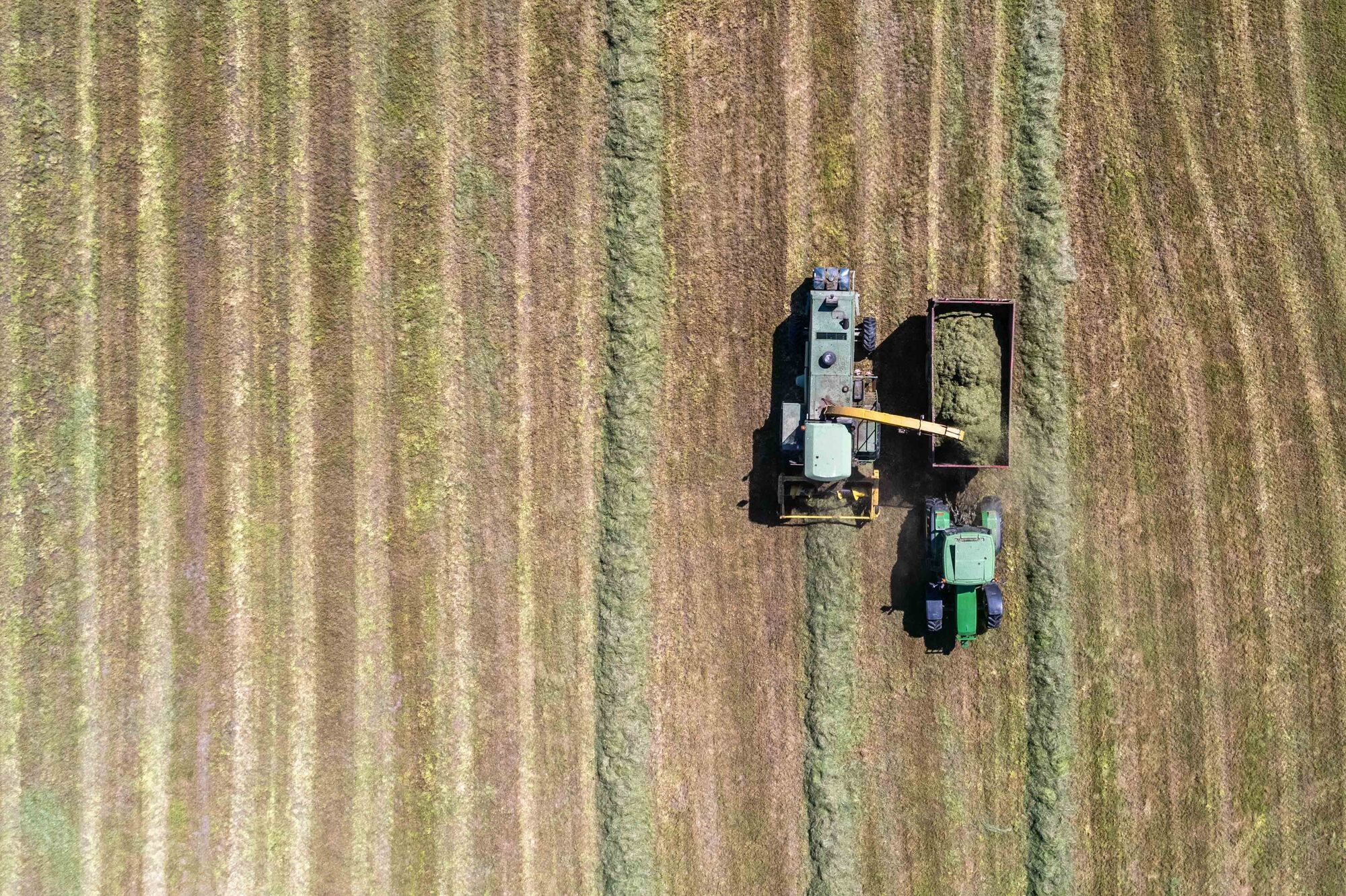
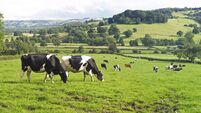
Better silage quality drives better dry matter intake in stock, which in turn drives better performance in both beef and dairy systems. Picture: Andy Gibson.
A few years ago, I read with shock an Irish study which found 93% of bales sampled - 331 of 360 bales across 180 farms - contained visible mould. And when it comes to mouldy silage, what's visible is usually only the tip of the iceberg.
That study might now be a good few years old, but the point remains that with such a long way to go to improve our silage quality in Ireland, I’d hope that the newly announced next round of the Fodder Support Scheme will not turn out to be another missed opportunity to reward positive and productive farming practices.
We don’t really like any more red tape than necessary, but sometimes it takes a bit of carrot to encourage the stragglers to get on board with what those at the top end of the industry have been doing for years.
Obviously, no one will be cutting silage in December when the first €30m earmarked in this week’s budget is set to be paid out.
However, my sources at Leinster House tell me that to be eligible, beef and sheep farmers will only be asked to commit to cutting silage again this year.
When this is something which many will already be doing, the question then has to be asked what additional benefit will come off this money, and whether it could have been used to promote precision silage-making practices.
This was the year when we had the weather on our side, and high-yielding multi-cut systems, grass sampling and testing, inoculant use, and good silo prep could have paid major dividends for those who don’t normally pay much attention to the fine art of silage making.
We often think of precision in silage-making as a dairyman's game, but research north of the border has shown big benefits in beef cattle. The study highlighted this week by DAERA showed that every percentage increase in D-value results in a daily carcase gain of 23g. It means a 5% increase in digestibility correlated with a daily gain of 115g - or 17.25kg over a 150-day finishing period.
Perhaps there could have been a requirement that any bales made for the Fodder Support Scheme had to be made with a minimum of four layers of wrap (or six, if you're looking to the gold standard), with lined clamps, or inoculant set as requirements for pit silage.
We all know that better silage quality drives better dry matter intake in our stock, which in turn drives better performance in both beef and dairy systems, allowing stock keepers to get more from less. Yet when it comes to filling our own pits, many of us fail to put what we know into practice.
If there is one thing I would encourage next year's silage-makers to consider adding to their shopping list early, it’s a good additive.
Now, it should be noted that additives will not improve the nutritional quality of the crop, but they do ensure more of the initial crop quality is preserved through better fermentation by suppressing undesired bacteria.
Studies have repeatedly demonstrated it is better to have a low nutritive value crop well fermented than a high-quality crop poorly fermented.
Silage additives are, of course, most beneficial for crops with a high buffering capacity, and those with low concentrations of water-soluble carbohydrates or high water activity; however, I would still advocate for their routine use in silage-making as it's not always practical to test crops ahead of time.
Often contractors aren't sure exactly what they are working with in terms of crop quality, and for a relatively low cost per tonne of silage produced, additives can improve fermentation and eliminate some of the risk of spoilage.
Inoculant use has also been linked with benefits in terms of agricultural output, with increased milk fat and milk protein concentrations recorded across various forage types, inoculant species, and levels of milk production.
One frequently-quoted study shows intake for a high-quality crop poorly fermented was shown to be down 20.5% compared to a good crop well fermented (which had a DMI of 11.2kg/head/day).
In comparison, the poor crop well fermented saw intake fall by 12.5%.
Bacterial inoculants, in particular, have been associated in several studies with higher milk yields, liveweight gains, and feed efficiency.
Studies such as Oliveira et al., 2017, have even quantified increased milk production at 0.37kg/day in dairy cattle fed silage treated with homofermentative or facultative heterofermentative LAB.
In the meantime, now is a good time to think about testing your crop from this year and consider how to get your best bang-for-buck from it at feed-out.
This might be a winter where we need what we have to stretch much further.