The UK's oilseed rape crop failed spectacularly: Irish farmers are trying to avoid the same happening here
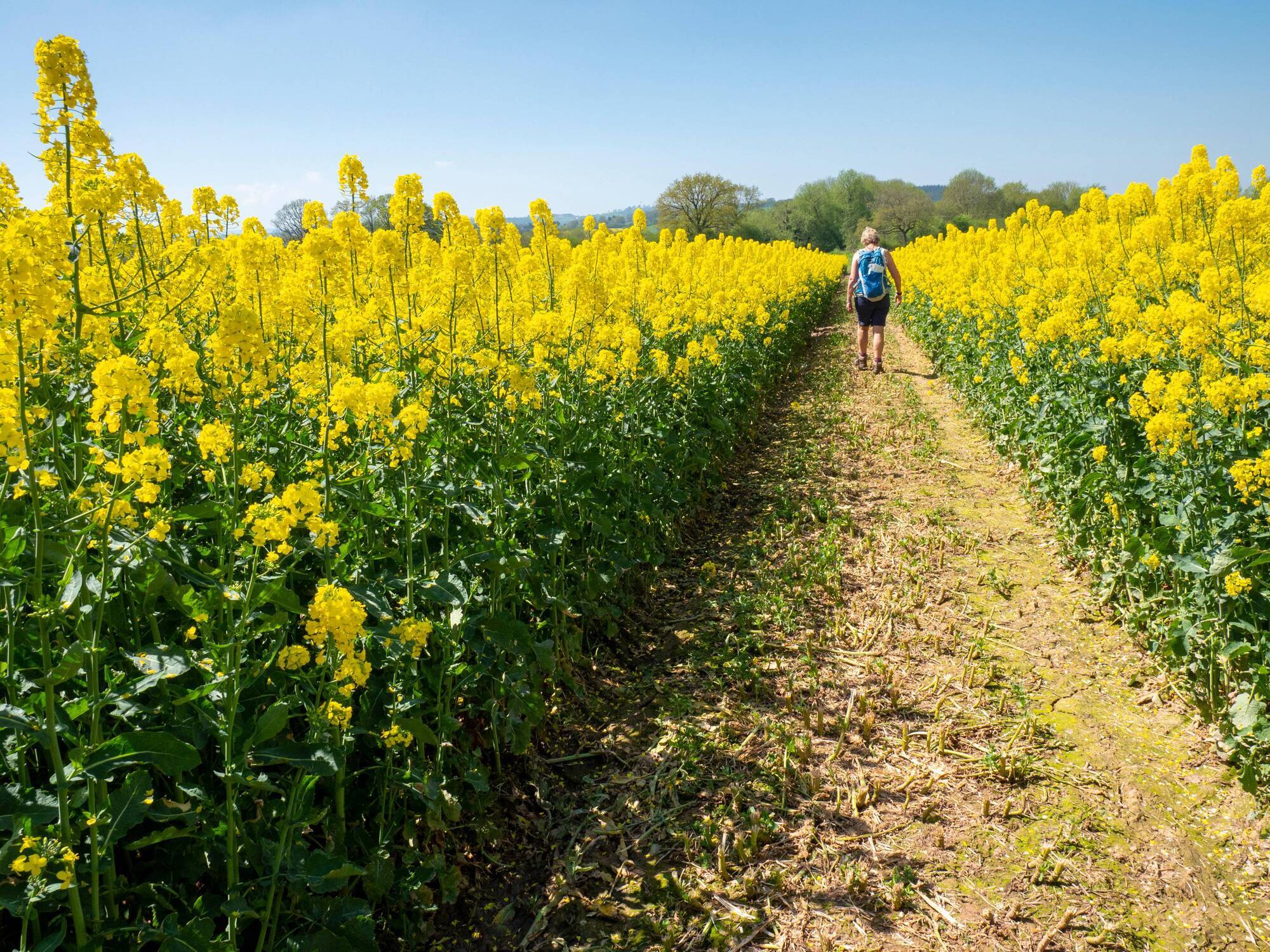
In the UK in 2020, four out of ten fields of oilseed rape did not make it to harvest. However, Irish growers of the crop are forewarned and forearmed.
More Irish farmers are expected to sow oilseed rape this autumn, despite the crop's chequered and controversial history across the EU.
Across the Irish Sea, there was a spectacular failure of the crop in the last decade. In the UK in 2020, four out of ten fields of oilseed rape did not make it to harvest, due to damage by the cabbage stem flea beetle, and 14% of the crop was resown after severe damage by the pest. Yields fell to their lowest level in over a decade.
In 2014, an estimated three-quarters of the UK oilseed rape crop was attacked by the beetle. This caused yield loss averaging 5% nationally, mostly in eastern regions, where the crop damage was assessed at £13m (€15.4m).
Scientists at the world-leading Rothamsted Research Centre in the UK have blamed contradictory EU policies for creating a serious crop pest which has undermined oilseed rape, a crop now in greater demand than ever as a replacement for Ukrainian sunflower oil, and as biofuel to ease Europe's energy crisis.
Instead, the collapse of oilseed rape farming in the UK and Europe had led to a reliance on imported oils, including palm oil, the growing of which is often responsible for tropical deforestation.
Also imported is oilseed rape from countries still using pesticides banned by the EU.
It was the hamfisted manner in which the ban was implemented that has made oilseed rape cultivation in the UK, Germany and France very risky, say the scientists at Rothamsted.
However, Irish growers of the crop are forewarned and forearmed.
Teagasc experts confirm that oilseed rape growing in the UK has reduced dramatically due to insecticide resistance and the inability to control cabbage stem flea beetle. This has not yet been an issue in Ireland, but Teagasc advisors say that only using insecticides if and when pest thresholds are exceeded is vitally important, if farmers here are to take advantage of the substantial price rise for oilseeds, potential nitrogen savings if good crop growth is achieved, and significant yield increases in crops that follow oilseed rape in the rotation.
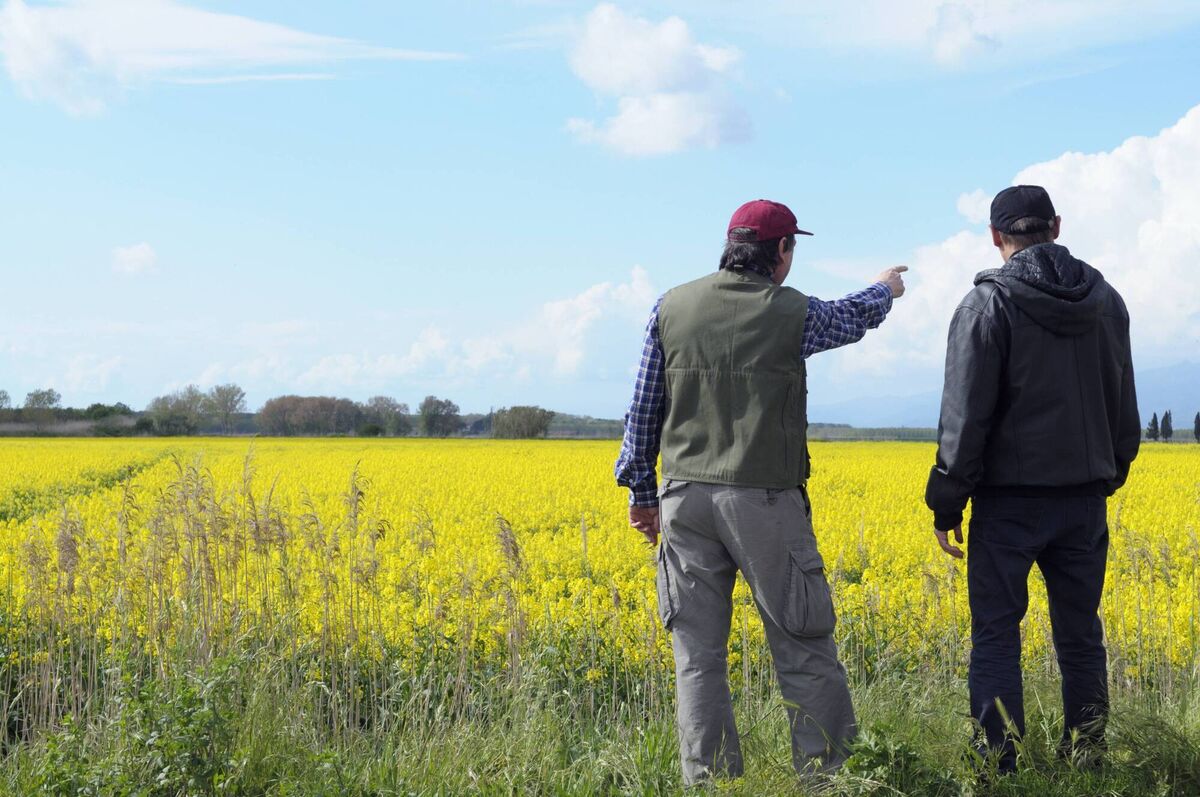
Damper weather in Ireland at sowing time has helped to keep the cabbage stem flea beetle at bay. It attacks crops when they are most vulnerable, as seedlings emerge, and can cause crop failure if it destroys the growing point of the plants.
Historically, neonicotinoid seed treatments protected crop seedlings, but they were banned by the EU and withdrawn from use in 2013.
Experts at Rothamsted say the EU's pro-biofuel policies increased the oilseed rape crop by 78% from 2003 to 2010. This huge increase reduced the variety of other crops grown, and the amount of natural habitat on farms, which in turn led to population booms of the cabbage stem flea beetle and another pest, the pollen beetle, which both feed on the oilseed rape plant. To fight back, farmers increased their use of pesticides, especially neonicotinoids.
To curtail excessive pesticide use, the EU introduced the 2009 Sustainable Use of Pesticides Directive. But its uneven and often poor implementation by member states led the EU to ban outright the use of neonicotinoids four years later, over concerns for bee populations.
The ban led to increased use of another type of pesticide, pyrethroid, which inevitably led to pesticide resistance arising in the beetles.
With no way to control them, widespread crop failures and significant yield losses for farmers became commonplace. Since 2018, the area of oilseed rape grown in Europe has collapsed to 2006 levels.
In Ireland, the five-year average area of winter oilseed rape is 8,900ha, but estimates from the Department of Agriculture indicate a 2022 harvest to 14,500ha. The five-year average yield is 4.4t/ha, with some growers regularly achieving 5t/ha.
It can be highly profitable, especially if viewed across the entire crop rotation. Yield increases of up to 19% have been recorded in winter wheat an oilseed rape crop.
Rotational benefits include control of problematic grass weeds, using labour resources on the farm more efficiently, and better soil health.
However, it is a different story across the Irish Sea, where it is a risky option for many farmers to grow the crop, especially in this drought year. Many UK growers say they won't sow it unless there is significant rainfall by the end of August, because such conditions would be ideal for flea beetles. But some have decided to take the risk of planting in dry soils, and hoping for rain, but with the possibility at the end of September of fields with nothing growing in them, and having to plant something else.
According to Dr Patricia Ortega-Ramos from Rothamsted Research, the oilseed rape pest problem is "a great example of how a better understanding of pests and joined up decision making are going to be vital if we are to reform farming."
“The EU’S 2009 Sustainable Use of Pesticides Directive was not well implemented, and as a result of that and subsequent decisions, the cabbage stem flea beetle has now become a serious pest. The area of oilseed rape being grown is now falling sharply, with huge financial consequences for farmers and major environmental consequences for all of us."
“It is imperative that smarter pest management become written into new EU and UK policies."
Despite the oilseed rape experience, the EU is driving ahead with its Green Deal policy to reduce pesticide use by 50%.
The EU Commission has sent each member country a binding numerical target for pesticide reduction in agriculture.
According to a leaked list of these targets, Italy must cut pesticides by 62%, Germany by 55%, France and Spain both by 54%. The leaked figure for Ireland is 48%.
Food safety Commissioner Stella Kyriakides said that the main objective is not to ban pesticides but to replace them with safe and sustainable alternatives. “This is making pesticides a last resort measure.”