What will Irish farming look like in 10 years' time?
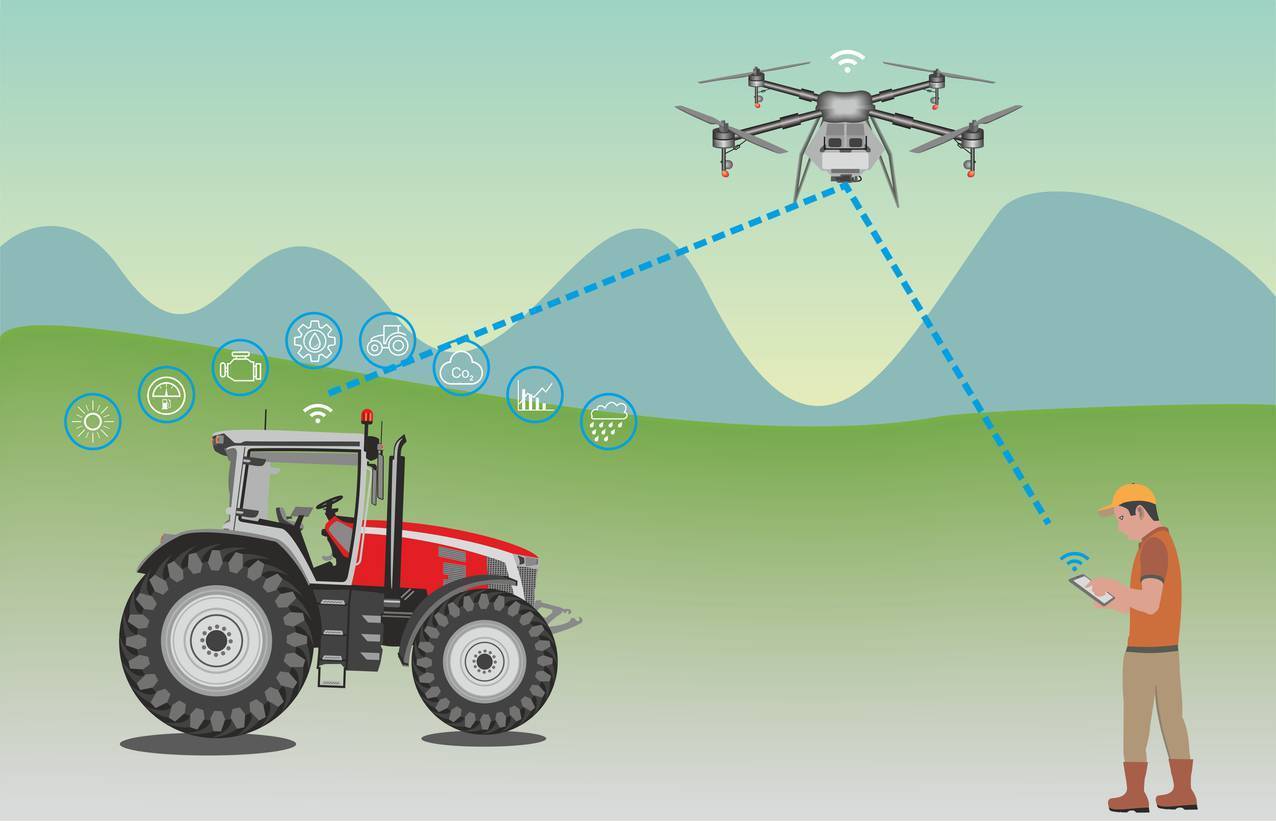
The use of drones and autonomous vehicles will become more popular to allow for selective application of herbicides.
Most farmers have the ambition for continuous improvement, striving to do what they do better, tweaking the system to become more efficient.
Tillage farmers hope to get higher crop yields through better agronomy, dairy farmers seek improved milk output and constituents with breeding and grassland management, beef farmers seek improving weight gain on finishing cattle through better genetic selection.
Regardless of the specific sector of agriculture you work in, continuous improvement has been the driving force of productivity and has fed into a cheap food macro environment which has been a boon for consumers.
Figures from the CSO show 27.7% of household income was spent on food in 1980, whereas the percentage spent on food by 2016 fell to just 14.7%.
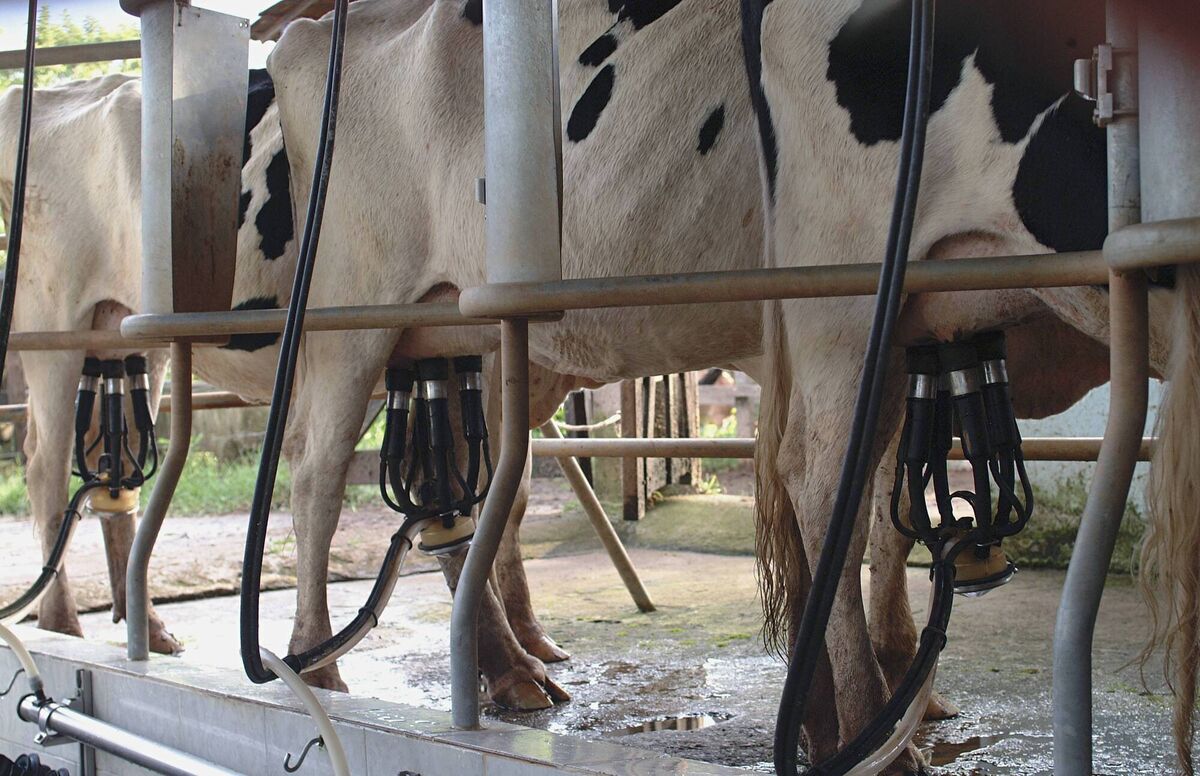
The average yield per dairy cow in 1980 was about 650 gallons per cow, just shy of 3,000 litres per cow. Forty years on, yield has improved to an average of 5,300 litres per cow.
Figures from Tillage Industry Ireland show yield per hectare for barley and wheat have similarly increased from about five and 6.5 tonnes per hectare respectively in 1985, with trend lines pointing to near seven and 10 tonnes per hectare 30 years on.
Those benefits continue to permeate agriculture but will technology, education and machinery development bring enhanced productivity at the same pace as has been experienced? Already, we can see the types of technology that might become more mainstream.
GPS-controlled sprayers and fertiliser spreaders are already finding their way onto farms. ISOBUS technology on tractors and harvesters can facilitate planting to harvesting crop mapping and management.
Yield quality and quantity can be measured by infrared sensors. These technologies are hugely expensive, and to date, the cost/benefit weigh-up has not justified widespread uptake.
Two significant changes already coming down the tracks will change that fundamentally. The rise in the price of fertiliser and chemicals and the introduction of a fertiliser register will mean the use of inputs will become much more judicious in the years ahead — inputs will be concentrated where the most benefit is to be gained.
The use of drones and autonomous vehicles will become more popular to allow for selective application of herbicides.
The withdrawal of what has become mainstream chemicals, along with the expansion of resistant diseases along with the rising price of food as a result of increased demand from an increased population, will add significant pressures to expand the development of genetically modified crops.
On the dairy side, the imposition of yield thresholds linked to nitrates has effectively created barriers and quotas by another name.
Farmers whose herds are producing marginally over 6,500kg of milk per cow will seek to reduce their yield in order that they can fit into the higher stocking rate band.
On a 100-acre farm, dropping yield per cow to below the 6,500kg limit could see a farmer having the capacity to carry up to an extra 14 cows on the farm.
How can a farmer on 100 acres in derogation milking 94 cows producing 6,501kg per cow be deemed to have an equivalent nitrates footprint of 108 cows producing 6,499kg per cow?
If overall yield is now effectively restricted through banding, farmers will seek to employ technology that maximise yield, staying within the allowable bands with minimal inputs. This means there will be a major drive for higher percentage fat and protein, while overall yield of litres stay stable.
This technology might come in the form of feed-to-yield monitoring and changes to the genetics of the herd through altered breeding programmes.
Crossing in Jersey genetics would seem like the panacea, but this goes against the grain of producing a beef and cull cow product from the dairy herd that is economically and socially acceptable.
Framing the nitrates regulations in a kilo of solids per cow manner would have made a lot more sense.
Other regulations including those affecting prescriptive medications will mean preventative actions and early monitoring and diagnosis will become more important tools in the farmer's armoury.
The capacity to work from home, along with increased employment opportunities for an educated workforce means a large cohort of land will be tied up in part-time farming.
The incentive to farm this land to its maximum potential is eroded by higher input costs and a system which discourages high output, with eco schemes and agro-forestry payments the order of the day.
Reduced production due to the imposition of environmental constraints may increase farm gate prices but only if such constraints are similarly replicated in other major food-producing countries.