Irish behind in awareness of renewable energy sources
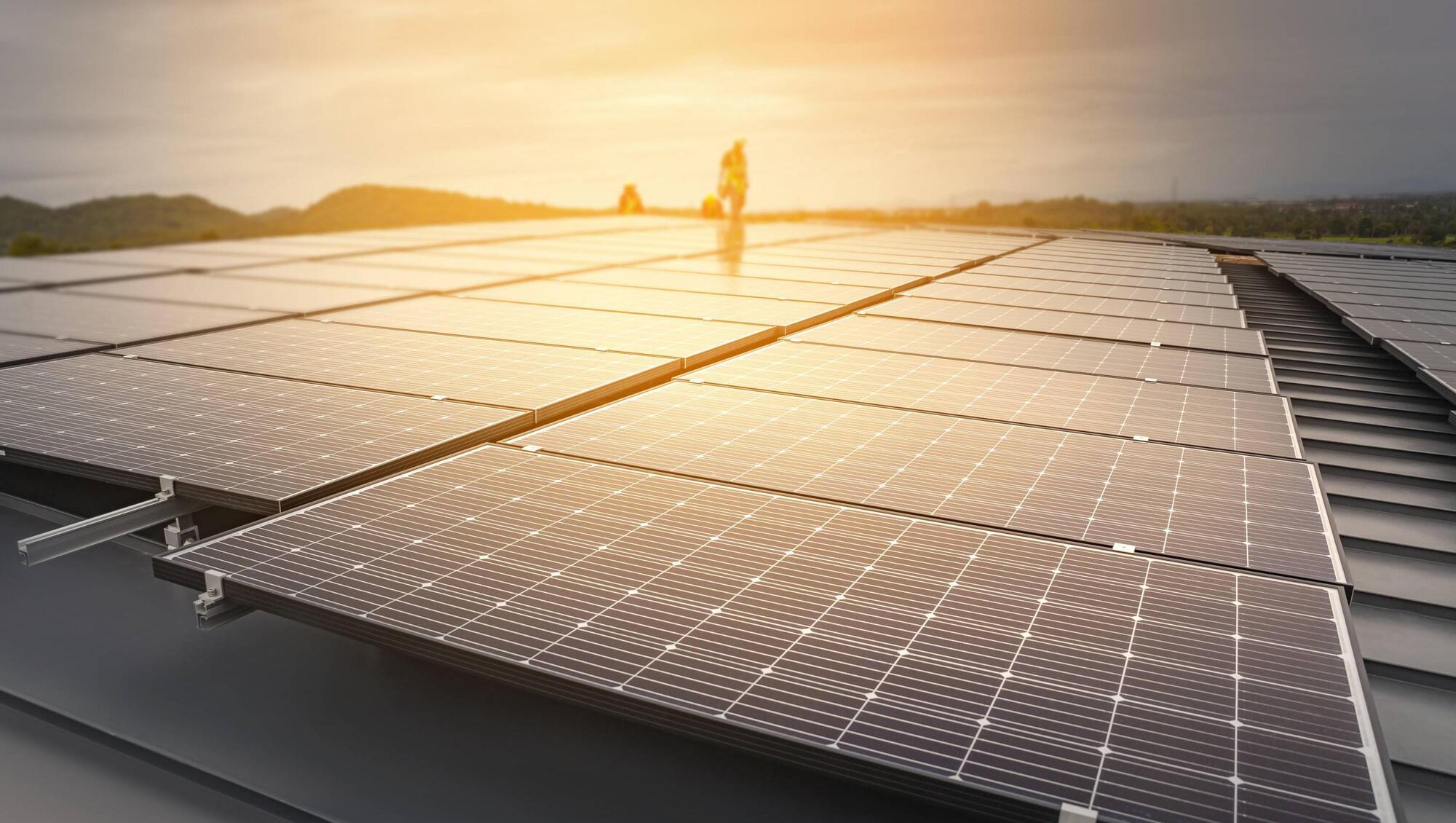
Experts from across Europe gathered at the Agricultural University of Athens this month to attend the first transnational workshop about greenhouses as part of the AgroFossilFree project
Irish behind in awareness of renewable energy sources

Among the main barriers to adoption of FEFTS were affordability, like high upfront costs and long-term investments, along with bureaucracy.

Ireland’s farmers are lagging behind other European countries in their awareness of fossil energy-free technologies, the results of a study have shown.

Experts from across Europe gathered at the Agricultural University of Athens this month to attend the first transnational workshop about greenhouses as part of the AgroFossilFree project — which seeks to contribute to a de-fossilised EU agriculture, promote more energy use efficiency, and reduce greenhouse gas emissions.

Teagasc is one of the AgroFossilFree consortium partners.

The Irish Examiner made the near-3,000km trip to Greece to attend the recent workshop with the Irish industry delegation and learned about the results of a recent study carried out on EU farmers’ needs, barriers, and incentives for adopting fossil energy-free technologies and strategies, FEFTS.

FEFTS refers to the tools that are required to address cleaner and more efficient energy production and use in agriculture.

FEFTS are categorised based on the agricultural technology application, with there being two main categories: renewable energy sources; energy-saving technologies and practices; along with an auxiliary category of soil carbon sequestration practices.

As part of the AgroFossilFree study, surveys were carried out with 470 farmers across eight countries — Ireland (61 interviewees), Denmark, Germany, Greece, Italy, the Netherlands, Poland, and Spain.

Farmers across plant, animal, and mixed production systems took part in the study.

Motivations for adoption

Information gathered through surveys was presented at the workshop and showed that the main motivations for the adoption of renewable technologies include energy costs, potential profit (selling to others), and reduction of environmental impact.

However, among the main barriers to adoption identified were affordability, like high upfront costs and long-term investments, along with bureaucracy.

Farmers also relayed concerns that technologies best fitting for their particular enterprises are not available yet or that the existing ones are not compatible or suitable with the existing infrastructure they have on their farms.

As part of the study, farmers were asked about their awareness of six different renewable energy sources: solar; wind turbines, biomass/biofuels/biogas, heat pumps, hydro, and energy storage systems.

Speaking more in-depth about the results of the study, AgroFossilFree project coordinator Thanos Balafoutis told the Irish Examiner it was just under 7% of all interviewees that had not heard about the renewable energy sources.

He said that the results from Ireland showed that less than half of the farmers had heard about three of the renewable energy sources —heat pumps, hydro, and energy storage.

Ireland’s farmer interviewees had the lowest awareness rate of solar of the eight countries at around 70%, while countries like Germany and Denmark had 100%.

Ireland also had the lowest awareness rate among the eight countries for biomass, heat pumps, hydro, and energy storage.

x

More in this section

Farming

Newsletter

Stay ahead of the season. Sign up for insights, expert advice and stories shaping Irish agriculture.

Cookie Policy Privacy Policy Brand Safety FAQ Help Contact Us Terms and Conditions

© Examiner Echo Group Limited