On busy farms, if you’re not working, then you’ve no business being there
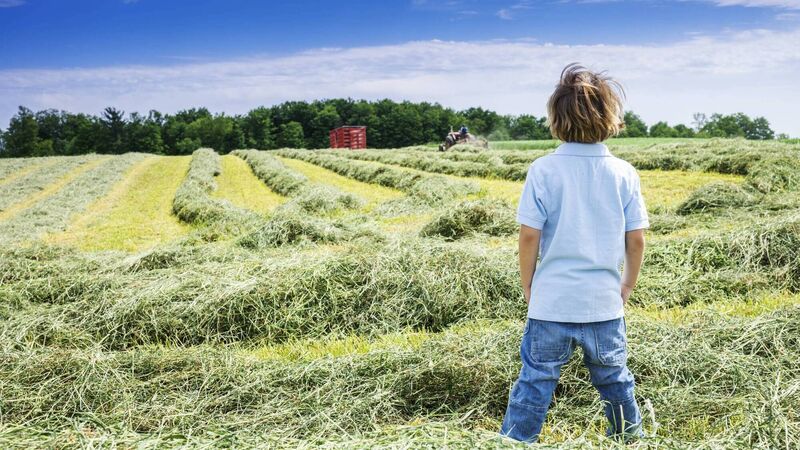
Establishing rules and boundaries around accessing the farm is very important and people should take sensible and cautious approaches to children’s exposure to farms.
When the farm is busy, “if you’re not working, then you’ve no business being there”, stressed Alma Jordan, founder of AgriKids, a farm safety educational platform for children.
Establishing rules and boundaries around accessing the farm is very important at this time of year, Ms Jordan said, as she called for people to take sensible and cautious approaches to children’s exposure to farms.
“All too often, the idea of becoming a farmer might be a little bit forced on children,” Ms Jordan said, and in the context of farm safety, she feels that “putting five- and six-year-olds in a tractor is not a way to kickstart that grá for a farm”.
Speaking to the , Ms Jordan said that it is too often she hears adults say “ah sure, teach them young”.
“I don’t buy into that. If your child wants to be an accountant, you wouldn’t be handing them a calculator at two years of age,” Ms Jordan said.
“If it’s in them, it’s in them; if it’s for them, the love will be there.
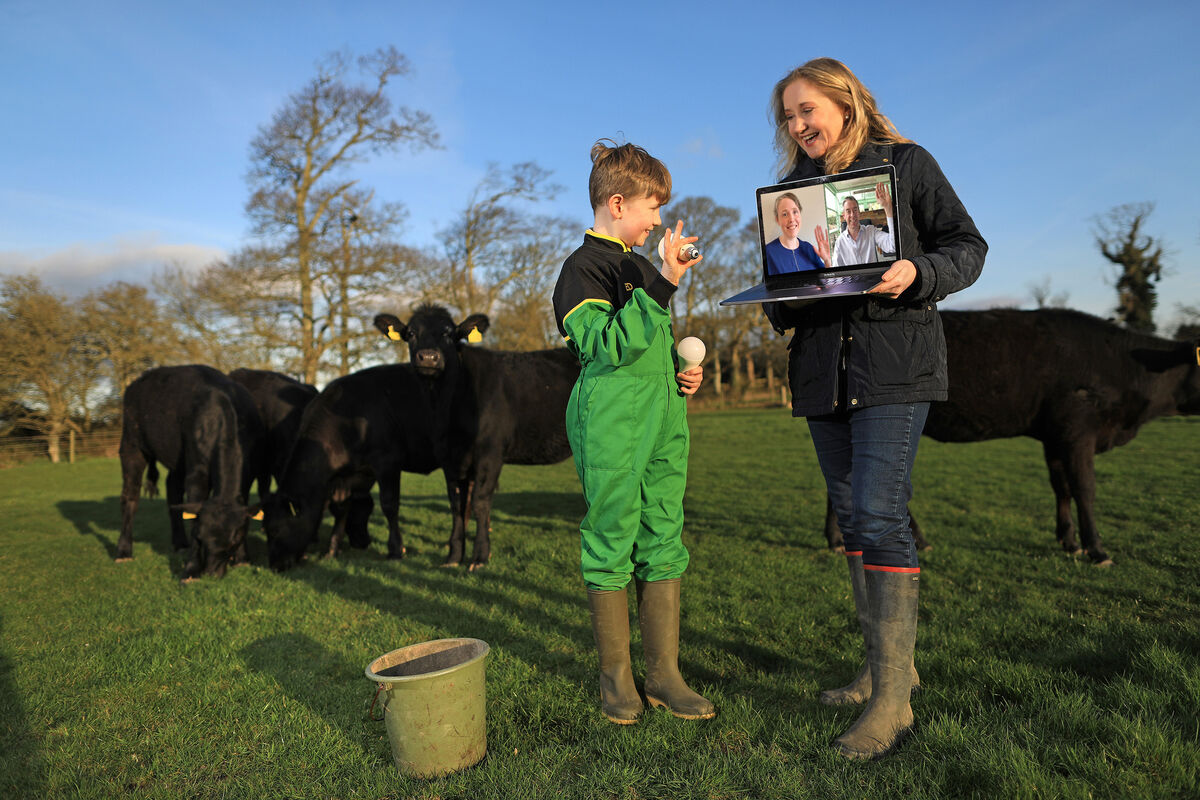
“I find all too often the idea of becoming a farmer might be a little bit forced on children and it comes back to that ‘start them young’ attitude.”
Ms Jordan is urging farming communities to make safety a priority this summer and beyond, and to tackle the “generational gap” that exists in approaches to farm safety.
Ultimately, Ms Jordan said that when the farm is busy, “if you’re not working on the farm, then you’ve no business being there”.
“That is a very simple, but a hard-and-fast rule,” that she applies with her own farming family.
“For parents, it’s very important that you do establish boundaries, and say [to children] ‘the farm is busy today, it’s not the time to come and visit’ and to have those conversations at home, to make sure everybody knows exactly what is happening and when it is happening.
“This is a busy time but it’s an absolutely vital time, this is where we get our food and fodder in situ for our animals over the winter months so it’s a very important, and stressful time.”
However, there is a “complexity” that comes with enforcing the maximum level of safety because, while the farm is “known as the most dangerous of all workplaces”, problems can exist because “it’s also a home”.
“That’s why creating rules and establishing boundaries is so vital, and only ever exposing your child to age-appropriate jobs, and only ever exposing your child to visits around the farm that are appropriate at that time as well,” she said.
During peak silage and grass season, farmers are “very much under pressure in regards to the weather but also if they’ve brought in contractors, those contractors could be wanted elsewhere at a certain time”.
“There’s always a window that they’re trying to work in and the people who understand that particular mindset, it kind of brings it home a little bit better that for safety, having children in that kind of environment is such a bad idea,” Ms Jordan added.
However, a balance must be struck; and Ms Jordan is passionate about children having that connection and knowledge of where food comes from.
She said that when safely exposing children to a farming environment, it should be done “slowly, build up their confidence, and let them take on jobs that are not just age-appropriate, but also maturity appropriate”.
“Some children might be more capable than others,” she said.
“This is always a highly contentious and emotive issue when it comes to farming but this is the way the rules are; we really need to make sure that those children are up to the job, that they are trained, and that we are putting a little bit more enforcement and legislation around it.
“We have such a way to go on this issue, there does need to be more work done.” Ms Jordan stressed the importance of “instilling in people an instinct” around safety, especially children.
“We can start making them instinctively safer and we can start making sure that they’re not just aware but that they’re actually practising safety,” she continued.
“We’re all about it with road safety, and swimming — we have armbands on them and flotation devices and everything else,” she said.
However, too often, when the “back door is opened”, children can be exposed “to the risk of poisoning, being crushed, trampled, kicked, or drowned”.
“We need to make sure that the principles that we have around safety for children in our everyday life stretches and includes that on a farmyard as well,” Ms Jordan added.
She advised parents to make sure that children know what their Eircode is and to put that around the farm so that if an accident did occur, emergency services can get there faster; along with keeping the first aid kit accessible, and having eyewash and handwash stations set up.
“It’s very simple: if something on your farm is broken, fix it; if your farm is untidy, clean it up; there are things that you can do right now that don’t cost a fortune but make a world of difference” Ms Jordan added.
“This is a workplace, it is not a playground, and in so many ways it is romanticised and a lot of people look at it through rose-tinted nostalgia; but it’s a highly hazardous workplace and if it’s not treated with respect, well then it will not respect you back.”
Community awareness is very important, Ms Jordan said, and everybody “needs to be aware that there is going to be more machinery on the road and to be mindful of each other and for people to give way to the heavier machinery, and for farmers as well to pull in when they can, to let people pass and for all of us to work together at this time”.
“There’s always a lot of finger-pointing and blaming and people getting frustrated behind a tractor — it’s only going to be for a few minutes so be a little bit more understanding,” she added.
She has also urged farmers to mind themselves at this time of year, to feed themselves properly, to get rest when they can, to stay hydrated, and to protect themselves against the sun.
“I want to remind people that no matter how busy you are, or the job you have to get done, at the end of the day, as a farmer, the only thing you have to do every day is to go home; go home to the people who need you, who love and care for you,” Ms Jordan said.
“That’s the only thing that you absolutely have to do every single day.”
Log on to AgriKids here.