Brian Reidy: Growth is coming under extreme pressure as rain falls short
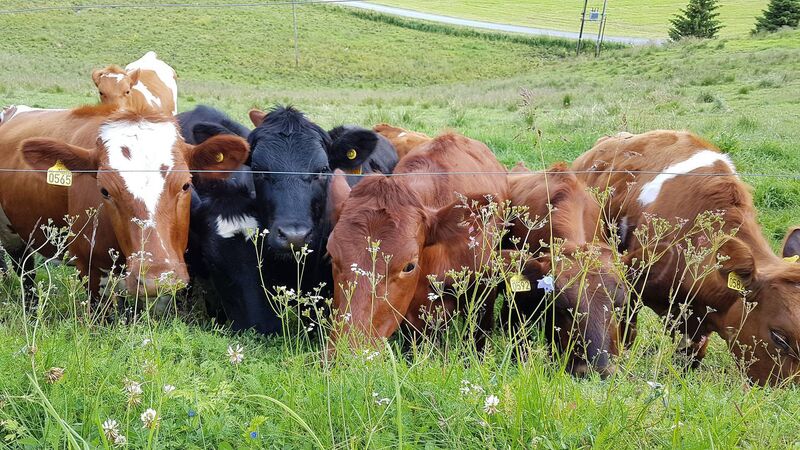
Grass growth has been under extreme pressure lately as there has been little sign of much-needed rain. Over the next few weeks, we'll look at how to best manage
A lot of farms that I have visited over the last week or so are really starting to feel a pinch when it comes to grass quality and quantity.
Swards are very stressed and are throwing out a stem and seed head very quickly as the moisture deficit heads for 100mm or four inches in old money.
The current dry spell is starting to cause difficulties for many Beef and Dairy producers around the country.
Grass growth has slowed down dramatically on many farms, particularly in the south and east of the country.
Any growth, as I said, seems to be pure stem as swards are beginning to head out due to stress from the heat and moisture shortage.
As a result, many are now very short on grass and animal performance is suffering as a result.
Many milk producers are reporting two issues: A drop in yield due to poor intakes and low butter fats due to poor fibre supply and digestion.
Proteins are also suffering as energy intake is not sufficient to support their development. It is easier for dairy producers to identify poor performance as they have regular milk collections and quality results.
One indicator that is really showing up the issue is milk urea levels. They are very low in most herds at present unless extra protein is being supplemented.
Milk urea is a reflection of how well a herd is digesting their protein, and if figures are very low (below 20 for this time of year), then the herd is not getting enough protein.
Typically, at this time of year with optimum growth, you would expect grass proteins to be 24 to 28% protein, but any I have tested in the last week have all been under 22%.
Obviously, if they are experiencing these issues with dropping performance, then beef animals are also under pressure for fibre and energy supply.
For many, the route cause is an undersupply of fertiliser earlier in the season. This was an issue for two reasons. Firstly, the weather earlier this year did not allow for early nitrogen application and secondly, many reduced nitrogen applications due to cost concerns which have not gone away, but has turned out to be a very unwise move from a growth and grass quality point of view.
Two-thirds of the grass that will grow each year will have grown by the end of June so two-thirds of the nitrogen should also be out by then.
There are a lot of different solutions being implemented on farms to bridge the grass shortage:
- Increasing meal or re-introducing meal;
- Grazing a proportion of second-cut silage ground. Obviously, this is only possible where an early first-cut was taken;
- Zero grazing;
- Feeding silage or other available forages.
Obviously, not every option listed above is a reality on many farms. You must select the option which is the most efficient from an animal performance point of view while also being cost-effective.
For those experiencing a drought on their farm, it is essential that grass is managed very carefully. Try to slow down the rotation if growth has slowed down.
This will involve feeding additional ration to those already being fed and introducing some to other stock. It may also require the feeding of round bale silage if it is available to slow down the rotation.
Whatever happens, it is only the month of June so don’t leave animals run out of grass before you start thinking about what you will do to feed them.
Over the next two weeks, we'll look in more detail at what options might best suit both beef and dairy systems.