Maintain dairy herd performance to optimise returns in 2022
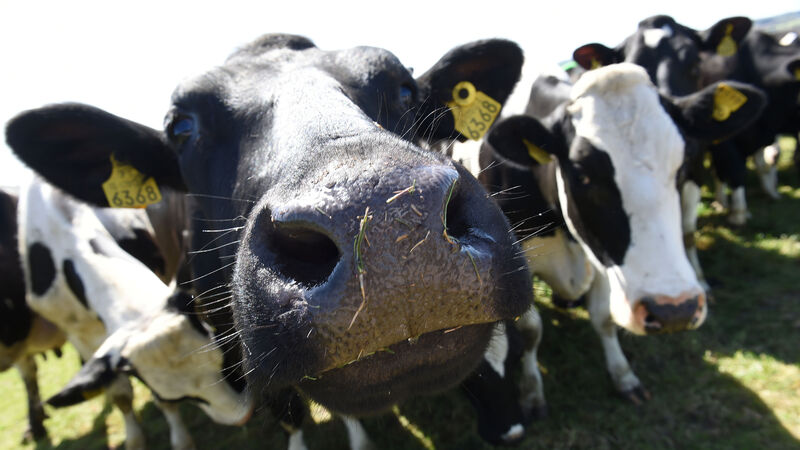
We badly need a spell of heat and sunshine to improve grass quality. File Picture: Larry Cummins
Maintain dairy herd performance to optimise returns in 2022 It has been a tough spell recently, and making first-cut has continued to prove difficult.
Grazing conditions are good but grass quality and intakes are very variable around the country, with some experiencing a ‘mini drought’.
Many herds have suffered a larger than acceptable production drop, due to many reasons, varying from poor sward quality, grazing excessively high or low covers or simply underfeeding cows due increased costs or miscalculation of available feed at grass.
These reported drops have been up to four to five litres in a day or so, when a normal production curve should see a six to eight per cent drop per month.
Apart from grass quality changing, management should be examined carefully in this scenario. People manage grass, it is not the cows' responsibility.
As we know, nutrient requirements for milk production are very similar in summer as in spring so the only change causing this milk production drop is the changing pasture quality and availability.
The big yield drops have nothing to do with cows now being back in calf, if you are using that excuse, then it’s time to think again.
The first factor involved in the production decline is the drop in nutrient density of the grass sward. This relates to decreasing digestibility as the plant matures, which will occur naturally as grass varieties are in their reproductive phase and naturally have heading dates from mid-May to mid-June.
Even when a cow eats the same weight of feed, she doesn’t consume the same amount of energy if the grass offered has got stemmy or seeds out. In other words, there is way more energy in the leaf than there is in the stem and if a cow only has the capacity for the same volume of each day, then when less energy is consumed then less milk ends up in the tank.
The second factor is the variable Irish summer weather and its influence on perennial ryegrass growth rates. Over the last few weeks, we have seen all types of weather and this has meant variable growth conditions. In reality, it is a combination of the two.
The end product is a reduced nutrient intake by the cow if added supplements are not supplied to the diet or strong paddocks are not skipped and more appropriate grazing swards are offered. This reduction in nutrient intake means less production or increased weight loss. Most of you will also have observed the colour of grass in fields lately.
I have observed through grass sward analysis that the protein content of grass is a bit lower than normal at present which would indicate that the poor growing conditions and cold mean that some of the nitrogen spread lately has not reached the leaf yet resulting in a paler green colour.
While we have seen an improvement in weather earlier in the week, we badly need a spell of heat and sunshine to improve grass quality. If we look back, we will recall, that we had an almost identical issue in 2021 also.
Have you ever spent the time to just observe what your cows do when grazing a stronger than ideal sward of grass?
At this time of year when I visit herds, most are underestimating grass covers being offered to cows unless doing regular measuring.
Where cows had taken a drop off in milk volume over the last week or so, covers well in excess of 2000kg are being offered, but are being eyeballed as 1500-1600s. Strong grass depresses total intake and protein is low in this grass and therefore will further depress intakes.
Ask the cows' opinion of their diet as you walk around the herd - look to see if 60 to 70% of the cows at rest are ruminating and how dungs look consistency wise.
Look at Body condition in the herd and any breeding information available at present. One observation I always make in a herd is coat colour, is the black, black, and the white, white? Most herds look in great order, however, as I mentioned above many herds are reporting a sudden milk drop and the Butter Fats have been a little low also recently.
Watching cows graze and looking at the sward in many farms tell an interesting story. The covers being grazed are stronger than ideal.
In many cases, cows are only eating the top few inches of the sward and moving on to the next bite.
Essentially, the cows are being very choosy while grazing and are doing quite a lot of waking around looking for the nice bite.
This activity results in a lot of time and energy being used up to consume grass, resulting in less than optimum intakes of energy, meaning either production drops or body condition drops, or both.
This will have an adverse effect on milk quality also as lower energy intakes will hit milk protein levels, while lower fibre intakes will hit butter fats.
Also, in the mix is the reality that if cows spend more time and effort getting the required intake of grass into them then the have significantly less time available to lie down and chew the cud which is where they actually make the milk.