Spiralling costs keeping Irish farmers up at night
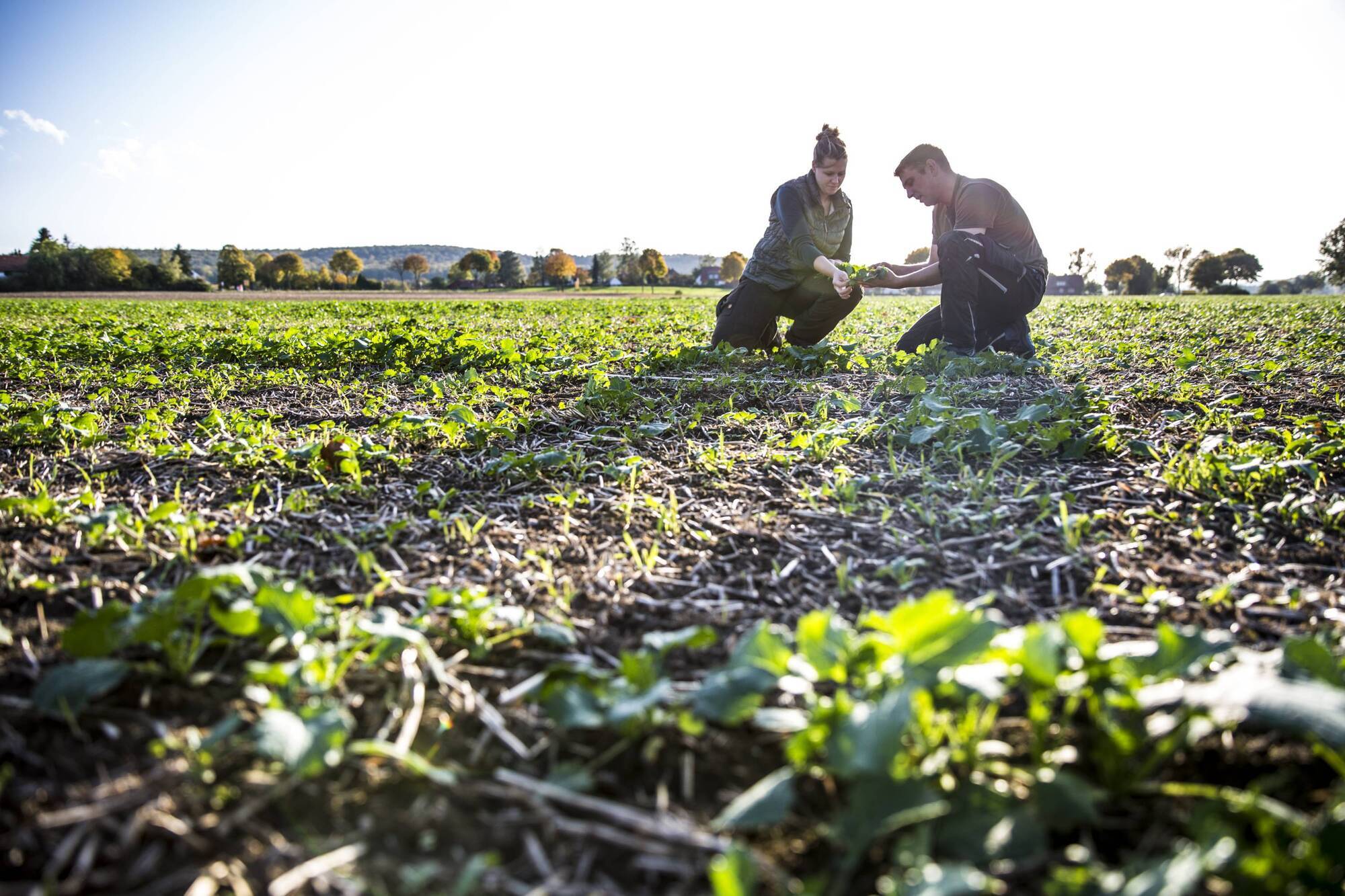
Ifac report shows farmers struggling to balance two jobs
Spiralling costs keeping Irish farmers up at night

More than half of farmers still say they had a positive outlook for farming.

Supply chain inflation is the biggest worry facing Irish farmers into the year ahead, with 60% of those polled for a nationwide industry survey saying inputs costs were the biggest immediate worry for their business.

Given that 51% have already seen costs increase due to Brexit, it’s an unneeded extra squeeze, with primary farm inputs such as fertiliser, feed and energy among the worst affected.

Other key challenges for 2022 included finding and retaining the right staff, the need for more financial planning across the sector, and climate emission targets.

But despite the unchartered waters ahead, sentiment for the next 12 months is positive, with more than half (58%) the 860 farmers who participated in the 2022 ifac Irish Farm Report saying they had a positive outlook for farming.

Perhaps surprisingly, the figure was even up 2% compared to the year before.

Commenting on the findings, ifac chief executive John Donoghue said: “It’s been a tough few years for farmers. During the Covid-19 crisis, all stakeholders worked together in solidarity, supporting each other through an unprecedented and isolating challenge.

“Now, as one crisis begins to dissipate, another emerges. Rising costs are the biggest challenge facing farmers, impacting all the primary farm inputs, including fertilizer, feed and energy. Tragic and needless events in Ukraine are also escalating prices and supply shortages. We are committed to working closely with our clients on these issues as the crisis evolves.”

Mr Donoghue explained the findings from the survey offer invaluable insights into Irish farmers’ lives in 2022.

“Challenges are abundant, but so are opportunities, particularly in farm technology and its role in increasing efficiencies and reducing physical labour on farms,” he said.

“Sustainability is a core objective is a big talking point in this year’s report... Irish farmers have always been determined innovators and, with the right supports and a financially viable framework, they will take a lead role in driving positive climate action in global agriculture.”

It’s the fourth year the survey, which aims to reveal what is really on the minds of Irish farmers, has been carried out by ifac, Ireland’s farming, food and agribusiness specialist professional services firm.

Finding and retaining employees has become a challenge for many – 21% say it’s a big concern, particularly in the dairy sector.

One in three beef farmers said they are struggling to balance farming with their off-farm job and, across the board, 77% of farmers say they would hire from outside the EU if it meant getting people with the right skills.

Perhaps spurred by recent price hikes, interestingly, the survey found 42% of farmers would consider moving to organics.

Farmers appeared to embrace the role of technology in increasing farm efficiencies and reducing the physical demands for employees.

Almost a third (32%) said they already use technology to increase farm efficiencies, however, 52% said cost was the biggest barrier to adopting more technology on their farms.

The challenge of reducing greenhouse gas emissions and finding the time to tackle financial planning to protect their families and farms for the future were among the other topics covered.

With the UN warning of a climate tipping point on emissions, encouragingly, farmers are not shying away from sustainability or the gravity of the environmental challenges ahead. While some are understandably concerned about the additional cost burden (38%) and even more (40%) believe that other sectors need to play their part too, 94% of farmers believe in the dire need to reduce greenhouse gas on farms.

Also, as determined innovators, 97% of farmers are open to incorporating renewable energy on their farms yet a third don’t know where to start, demonstrating a sizeable opportunity locally.

The survey also highlights for the fourth year in a row that financial planning - in particular succession planning - is a topic that still requires focus.

While action has been taken, and reassuringly the numbers have doubled since 2019, two-thirds (67%) of Irish farming families have yet to start their succession plans. This remains a persistent opportunity because careful succession planning can empower families and provide a sustainable future for their farm business.

Welcoming the report, Agriculture Minister Charlie McConalogue said: “Input costs, as outlined in this report, are undoubtedly impacting most farmers this year and will be a major challenge to profitability.

“While we are closely monitoring the situation in Ukraine, both I and my department, just like ifac, are working to support farm families and their businesses. This includes two separate support packages for the pig sector; a direct aid for the horticulture sector and the Tillage Incentive Scheme with a €12 million budget.

“The challenge now facing all of us in society, including farmers, to reduce emissions is vast and, in line with the targets for agriculture in the Climate Action Plan, I am very encouraged to see that 94% of Irish farmers say reducing greenhouse gasses is important.”

More in this section

Farming

Newsletter

Stay ahead of the season. Sign up for insights, expert advice and stories shaping Irish agriculture.

Cookie Policy Privacy Policy Brand Safety FAQ Help Contact Us Terms and Conditions

© Examiner Echo Group Limited