Nematodirus warning as forecast shows hatching now at seasonal peak
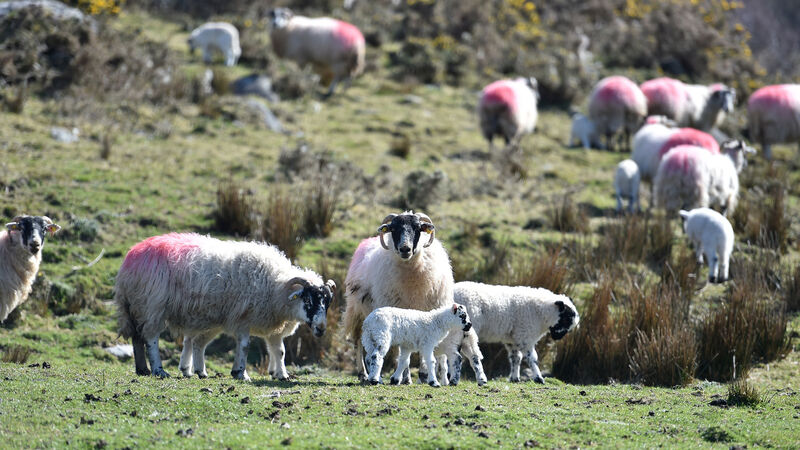
Sheep and lambs feeding near Eyeries on the Beara Peninsula, West Cork. Picture: Dan Linehan
Sheep farmers have been reminded to treat at-risk lambs as the Department’s 2022 Nematodirus forecast shows most parts of the country will now be in peak season for Nematodirus egg hatching.
At-risk lambs (typically those aged six to 12 weeks and grazing on contaminated pasture) should be treated approximately two weeks after the peak of Nematodirus egg hatching.
However, consideration should be given to dosing lambs earlier on individual farms where clinical signs consistent with Nematodirus are observed, as the above treatment guidelines are based on estimated peak hatching of eggs.
After ingestion by lambs, Nematodirus larvae invade the wall of the intestine. Infection is characterised by profuse diarrhoea, dehydration and weight loss. In outbreak scenarios, lambs can be seen congregating around water troughs due to the severe thirst that develops. Adult sheep are unaffected by the parasite.
This disease is best prevented by keeping the current year’s lambs off any pasture that was grazed by lambs or young calves (which can be carriers of infection) in the previous year. Because of this, farms with high stocking rates are particularly vulnerable.
Twin lambs, or single lambs born to ewes of poor milking ability may be at a greater risk of developing disease as they begin consuming greater amounts of grass earlier in life. If clean, ungrazed pasture is available, preference should be given to moving these lambs first.
The majority of the country will see maximum egg hatching in the second and third weeks of April with the exception of the coastal fringes along the south, west and northwest coast which will be earlier.