Farm View: Landowners slow to take up agroforestry
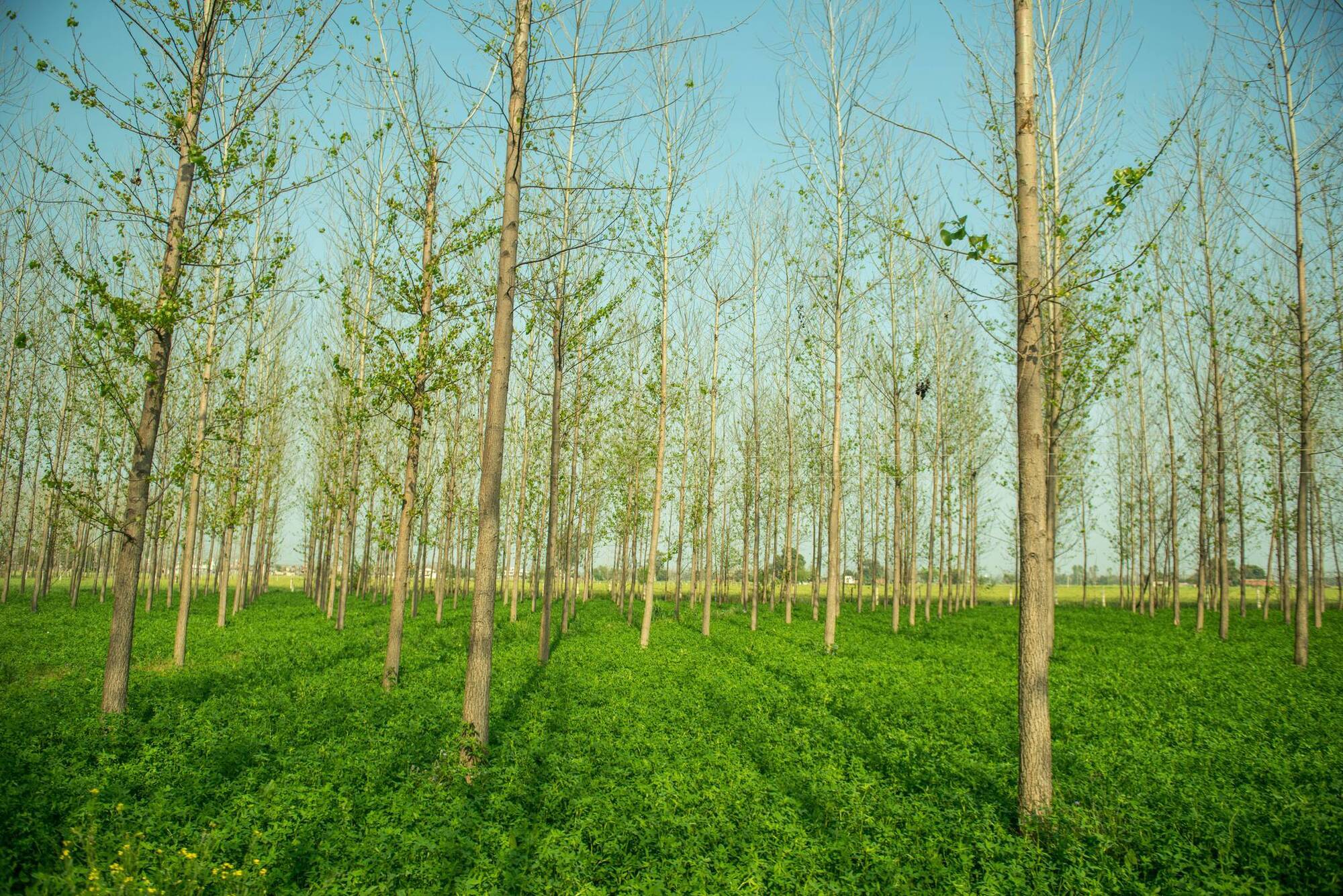
The current forestry programme (extended to the end of 2022) is the first to include agroforestry, with a target of establishing 195ha of agroforestry between 2015 and 2020.
Irish landowners have largely resisted grant aid offers of €6,220 per hectare to establish agroforestry.
Only 18 agroforestry grant aid applications, comprising 42 hectares, have been approved and planted since 2015.
The Department of Agriculture received 90 applications, for 334ha, but some were withdrawn by the applicants before the approval process was finished.
About one-third were approved, but many have not yet progressed to planting, and 22 agroforestry applications are currently being processed, comprising an area of 122ha.
The best year for agroforestry has been 2020, with the establishment of 24.95 ha.
Agriculture Minister Charlie McConalogue has suggested that the reduced number of annual premiums available is the main barrier preventing increased take-up.
Only five premiums are on offer, compared to 15 in the other 11 categories of the national Afforestation Grant and Premium Scheme.
The restriction of premiums for agroforestry is in accordance with EU State Aid Guidelines.
Agroforestry is a combination of trees and pasture. Silage and hay production is also permitted.
The current forestry programme (extended to the end of 2022) is the first to include agroforestry, with a target of establishing 195ha of agroforestry between 2015 and 2020, however planted and grant-aided areas were under 6.84ha per year, except for 2020.
Agroforestry is promoted as positive for animal welfare, biodiversity, drainage, off-setting emissions from other farming practices, enhanced landscapes, and preventing nutrient runoff when planted in strategic locations.
In addition, it is possible to grow veneer quality timber with little impact on existing agricultural production.
Minister McConalogue said increasing options and incentives for agroforestry on farms will be an important consideration in the design of the next forestry programme, when he answered a Dáil question from Cavan-Monaghan Sinn Féin TD Matt Carthy last week.
Grant-aided agroforestry allows planting of 400 to 1,000 trees per hectare, but the plot must be at least half a hectare, and at least 20 meters wide.
The trees are thinned later, to reduce them to between 160 and 250 per hectare, to allow enough light for continued grass growth.
Trees must be protected against browsing animals with tree shelters, fencing, or both.
Along with being offered only five premiums, those interested in agroforestry may have held back from applying for grants for the same reasons behind the overall decline in afforestation grant applications in recent years.
The applications fell from 17,594 hectares in 2014 to 4,606 hectares in 2021.
Mr McConalogue has said: “There are a variety of reasons why there has been a decline in the number of afforestation applications in recent years."
Answering a Dáil question from Wexford Fine Gael TD Paul Kehoe, he said: “Interest in afforestation has been impacted by the complexity of the legal and administrative system, judicial decisions, the efficiency of the forestry licensing system, the appetite among landowners to convert land to afforestation usage and, in some areas, complex societal attitudes and responses to afforestation.”
He said the licensing situation is improving, with 4,050 licences issued in 2021, and a target of 5,250 in 2022, including more than doubling the number of afforestation licences, to 1,040.
Meanwhile, Ireland lags well behind other EU countries for agroforestry; it is estimated at around 20m hectares in the EU, equivalent to almost 12% of the utilised agricultural area, which compares to the organic area which is 8.5%.
However, nearly 90% of the European grassland area, and more than 99% of the arable land, has potential for agroforestry.
It could be said that the pastureland featuring a network of hedgerows in Ireland is an old form of agroforestry that was abandoned in much of the EU with the modernisation and intensification of agricultural production and forestry since the 1960s.
Now the more prominent EU examples of agroforestry are sheep grazing beneath cork oaks in Portugal and Spain, or tall fruit trees under which crops are grown or livestock grazed, in central Europe.