87% to cut fertiliser use this spring
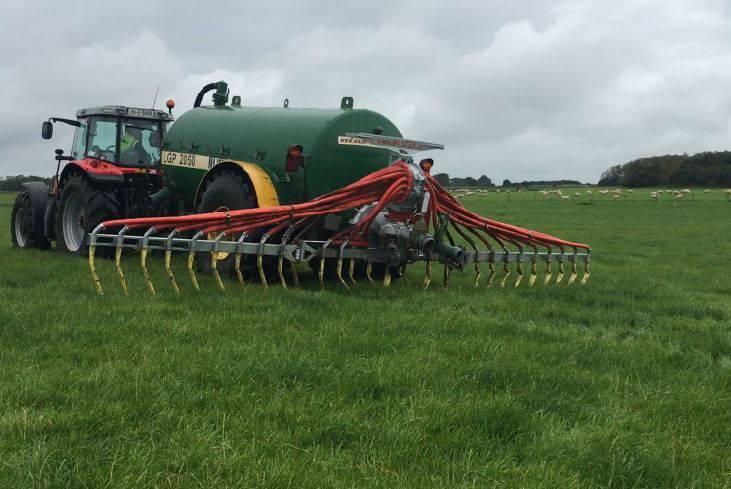
Nearly three-quarters had already used or planned to use organic manures this season. But they were unsure how much was available.
Around 87% of Irish drystock farmers say they plan to spread less fertiliser on grazing ground this spring, according to a recent survey conducted by Teagasc.
The majority of the 688 enterprises polled also planned to use less fertiliser on silage ground, with 37% expecting a 10–20% reduction; 23% expecting a 20–30% reduction, and 15% expecting a 30–50% reduction.
On grazing ground, 43% expected a 10–30% reduction; 31% expected a 30–50% reduction.
At the time of the survey, 28% of drystock farmers had bought no fertiliser yet.
About two out of five were finding it difficult to get fertiliser delivered, with more than one out of five saying the merchant could not guarantee delivery, or delivery would be delayed.
Nearly half of the surveyed drystock farmers were paying 100% upfront for fertiliser, with only 25% being given more than one month’s credit.
Only 28% planned to make more than 75% of their winter fodder in the first cut.
The Teagasc survey included 440 tillage farmers, of whom 69% had at least 75% of their P and K requirements for the season in stock or were awaiting delivery (more than half had their requirements covered), and 12% had less than 25% in stock or were awaiting delivery (but 4% had none of their requirements).
Only 3% had none of their nitrogen requirements for the season in stock or awaiting delivery, whereas 63% had 75%, and 13% has less than 25% covered.
There was no change to cropping plans as a result of fertiliser supply and price for 69% of the tillage farmers surveyed. Farmers who were changing plans were increasing beans, or opting for spring oats.
Nearly three-quarters had already used or planned to use organic manures this season. But they were unsure how much was available.
One in three planned no reduction this year compared to normal chemical fertiliser applications, but about one in five planned a 10 kg/ha reduction.
Just over half said they would increase their tillage area if more land became available, but 39% said access to additional credit is an issue this year.
Just over half of the dairy farmers in the Teagasc fertiliser survey in March had some fertiliser spread at the time.
Almost half intended to spread less for silage ground, and three out of four had already reduced early application rates.
Teagasc said almost two-thirds (60%) were behind target on grazing ground, and one-third had not yet purchased half of the year’s fertiliser requirement.
Fertiliser prices were already escalating prior to the conflict in Ukraine, as a result of pandemic-related supply chain disruptions, and higher costs of natural gas.
Russia produces and exports large quantities of potash, phosphate, and nitrogen-containing fertilisers.
International shipping groups have suspended deliveries to and from Russia, due to the Western sanctions.
Prior to their attack on Ukraine, Russia had already banned the export of ammonium nitrate from February 2 to April 1, 2022, apparently due to fertiliser shortage concerns.