Tips on controlling mastitis
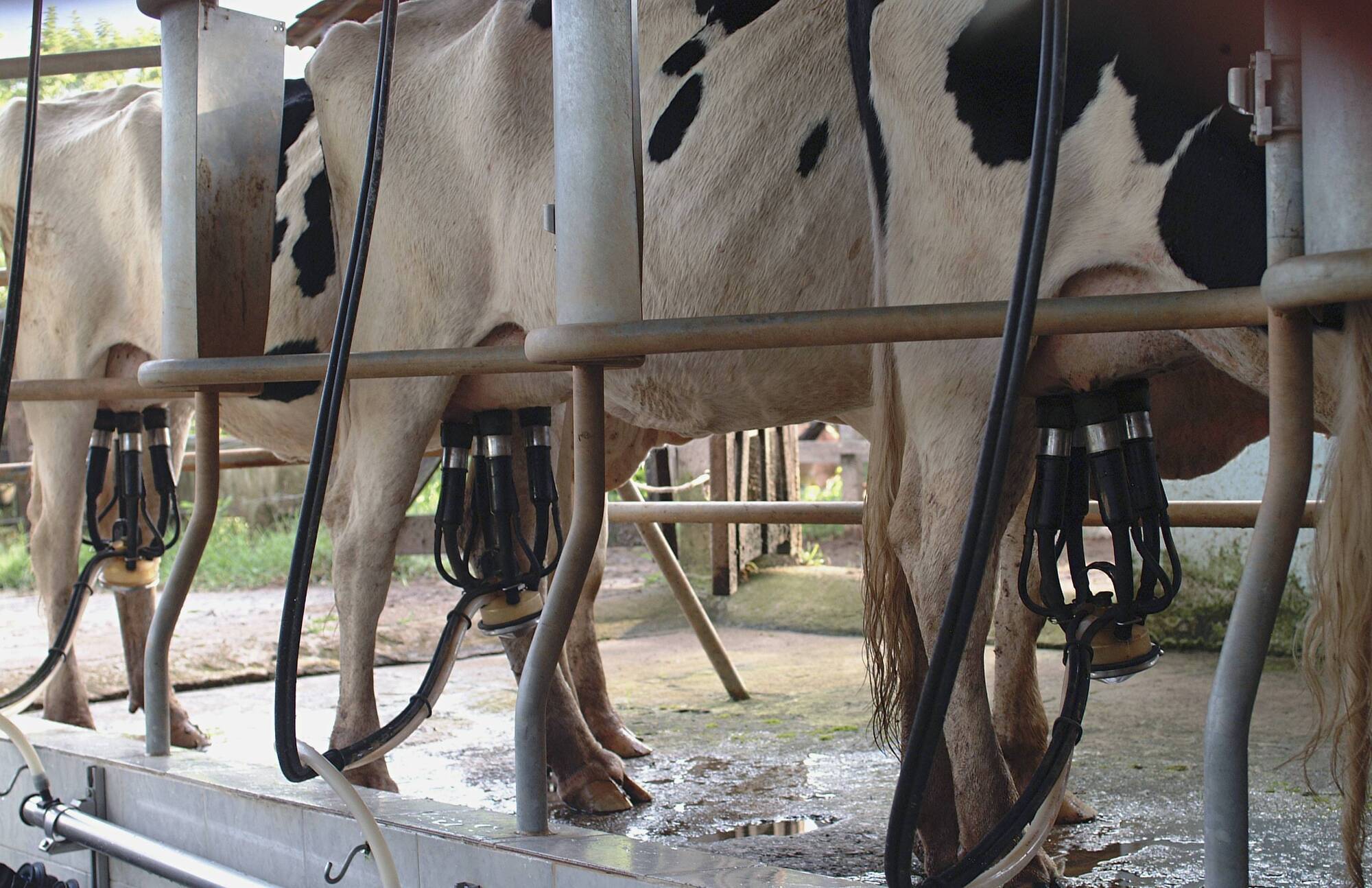
Using simple and quick daily, weekly and monthly checks will keep your machine problem free
The success of mastitis control at calving is vitally important to milk quality for the whole lactation as the period around calving is the highest risk period for mastitis infection to occur.
Cows are very susceptible to infection around calving because their natural defence mechanisms are low. New infections occur and subclinical infections which have persisted through the dry period may flare into clinical cases. Special care in this period will pay off.
Calve in a clean dry environment with adequate space - if your knees are wet after kneeling, it is not dry enough for calving cows. Pay attention to the number of cases of mastitis occurring, especially in freshly calved heifers as this is an indicator of the hygiene of the calving and housing environment. If greater than 5% of your cows and 15% of heifers have had mastitis in the first month of calving you should investigate.
Milk freshly calved cows as soon as possible after calving and milk out completely and disinfect teats post milking. It is recommended that each farm establishes a procedure to ensure that all cows are stripped for the first 8 milkings. Look for changes in colour and consistency, including yellowy brown or creamy colours, blood, clots, lumps, flakes or watery milk. Don’t forget to wear gloves and disinfect after stripping a cow with mastitis as the bacteria can be spread to the next cow you strip. It is good practice to check all cows with a California Mastitis Test (CMT), before milking them into the bulk tank-this will help you find any cows with subclinical mastitis.

Ensure that milk from the colostrum and transition phase is not included in the bulk tank. Cows with a positive CMT result should be excluded from the tank for an extra 2-4 milkings to reduce the risk of an increased bulk milk SCC.
Milk samples should be collected from clinical cases before starting treatment, and can be frozen for 3months allowing a couple of samples be sent to the lab together for culture and sensitivity. This helps build up a profile of what bacteria are in your herd, where they come from and what antibiotics are likely to work. Recording all clinical cases is essential, to monitor mastitis levels in your herd. A clear, easily seen record on a blackboard or whiteboard should be made during milking and transferred at a later date to a more permanent record.
Don’t forget to book your first milk recording to record cows within the first 6 weeks of calving to get the best information possible. By recording your cows regularly you can see clearly and quickly what’s happening within your herd- which are the problem cows? Problem cows can then be treated or in severe cases may need to be culled. If possible, high somatic cell count cows should be milked last and if it is not possible sanatise the clusters before attaching to the next cow.
Test and service milking equipment regularly. Using simple and quick daily, weekly and monthly checks will keep your machine problem free, and provide an early warning of potential problems. Each day check the vacum gauge, check rubberware for leaks and replace any worn or broken rubberware. Each week check the oil flow from the oil reservoir. Remove filters at the vacum regulator and wash and dry.
Liners should be changed after 2000 milkings or 6 months, whichever comes first. Aged liners can cause slow and incomplete milking, and increase the risk of teat end damage and mastitis. If your herd size has been increasing recently, perhaps your liners are doing more milkings than you realised. Change the complete set of liners at the same time. Record the date that liners are changed on the farm.
Environmental mastitis is caused by bacteria that is present in the environment. By maintaining high hygiene levels the risk of environmental mastitis can be reduced.
Ensure all milkers wear clean gloves at every milking. Do it for the rest of this year and review your SCC figures-you won’t believe the difference to SCC. Don’t allow contaminated milk to come in contact with the gloves, if it happens clean gloves with running water and disinfectant.
Roadways, milking parlours, collection yards and cubicles should be kept clean. Clean the cows teats properly prior to milking to prevent bacteria entering the teat canal at milking. Remove clusters carefully. Completely cover every teat, of every cow, after every milking. Avoid over and under milking. Manage teat sores and cracks. Above all stick to a consistent milking routine.
Using simple and quick daily, weekly and monthly checks will keep your machine problem free.