14 ways to save thousands of euros on the farm
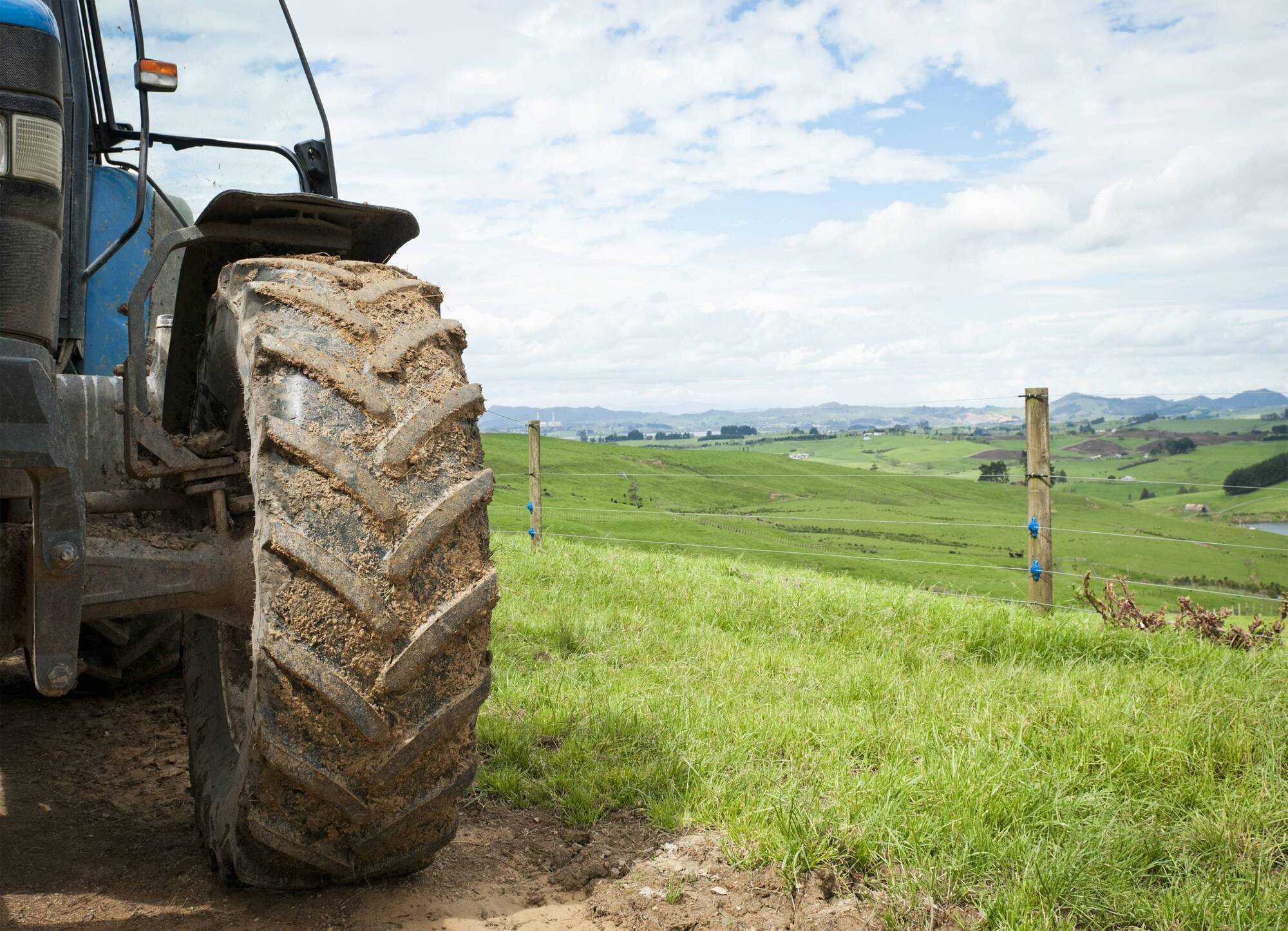
Increasing tyre pressures will reduce rolling resistance and the diesel needed to physically move your tractor. Picture: iStock
The energy price shock will add significant costs to farmers which when taken collectively could add thousands of euros of extra expenses for even modest-sized farms.
This week I look at some options to reduce energy usage costs on farms. Energy usage costs are in the main forms of electricity usage and diesel, with farmers also using road diesel and petrol for cars, jeeps and other road vehicles a smaller number of farmers using gas mainly for heating. The spike in green diesel prices seems to have abated to some degree but are still well north of the benchmark of €1/litre. For many cattle and tillage farmers usage of three to four thousand litres over the year would be common, at over a euro per litre managing to cut diesel usage by 10% could save up to €500 per annum at current prices. The following are just some strategies that can be employed that can collectively lead to a significant reduction;
1) Increasing tyre pressures will reduce rolling resistance and the diesel needed to physically move your tractor but bear in mind that increased pressures whilst remaining within manufacturer's guidelines can result in greater compaction as the weight of the tractor is focused on a smaller ground contact area. As ground dries up, compaction worries become less of an issue.
2) Reducing weight. Often times tractors carry a full deck of weights around regardless of the load on the back, taking the time to remove tractor weights or a front end loader leaving the tractor suited up for the specific task at hand will reduce fuel usage and will probably result in a bit less front axle wear too.
3) Operating in economy mode. Consider using the 540 economy box when driving lighter power-driven attachments.
4) Sharpen those blades. Many farm machines involve some level of cutting or slicing, whether it’s a topper, mower, bale chopper, diet feeder, shear grab, hedge cutter or baler. Taking the time to sharpen your blades can reduce resistance and improve efficiency allowing for less operating time or more output for a given amount of time. Remember to use a flap disc or sharpening stone as opposed to a cutting or grinding disc which can overheat machinery blades leading to a reduction in long term performance.
5) Choosing a tractor appropriate for the job. Most larger farms have two or three tractors available usually ranging from the modern to the vintage, from four-wheel drive higher horsepower to two-wheel drive three and four-pot old reliable. The tendency can be to use the larger new more comfy tractor, if you are looking to save the green swapping to the old reliable might be the way to go.
6) Avoiding using fuel for the job; some farm jobs do contain an element of choice, choosing to use a straw chopper as opposed to rolling out the bale by hand is one example. Would walking for the cows allow for you to assess grass cover whilst saving on petrol for the quad?
7) Other tractor maintenance jobs such as blowing out your air filters and investing time in tracking four-wheel drive tractors that are out of line will improve efficiency. Turning off the air conditioning and opening the window
8) A blackboard in the yard can be a handy tool to make a note of non-essential items to get when next on the road. If travelling for an essential purpose group together trips to other suppliers in order to avoid separate trips.
9) Adjusting working widths can reduce the number of passes required, this is especially appropriate for say fertiliser spreading once accuracy can be maintained.
On the electricity side the following tips can be useful for cutting down on usage:
10) fitting a timer switch or sensor can result in lights only being used when needed.
11) Adjusting the thermostat for water heating down by 8 degrees can result in a saving of more than 10% in electricity usage.
12) For dairy farmers, increasing plate cooler water flow either by separating minor pump recirculating water from your wash down tank or by physically increasing pipe and plate cooler size will reduce energy usage in cooling milk. Ensuring there are no obstacles in front of or at the back of your cooling compressor fan will ensure maximum airflow to and from the radiator facilitating maximum cooling efficiency. Examine the radiator fins and consider cleaning or blowing out if clogged. Adjust automatic slurry scraper timings now that cows are out by day.
13) Eliminate leaks in order to cut down on water pump usage.
14) Consider investing in your future. Future expenditure on farm assets should be framed in the context of energy efficiency. This can be as simple as enquiring whether your new machine can be fitted with a 540-speed gearbox rather than a 1,000-speed gearbox, or whether led lights are an option, whether variable speed motors can be incorporated.
The rapid rise in energy prices calls for a renewed focus on energy usage at farm level. Incremental changes at multiple levels can make a meaningful impact in energy usage and improve farm profits over many years to come.